Animal Kingdom


1 minute read

The Gynandromorphic Northern Cardinal: A Rare Avian Wonder with Split Sexual Identity

The northern cardinal (Cardinalis cardinalis) is renowned for its striking sexual dimorphism—males dazzle in vibrant red plumage, while females sport subtle brown tones. Yet occasionally, a rare phenomenon occurs: gynandromorphism, where an individual displays both male and female traits. These "split-sex" cardinals captivate scientists, offering unique insights into avian sex determination and development.
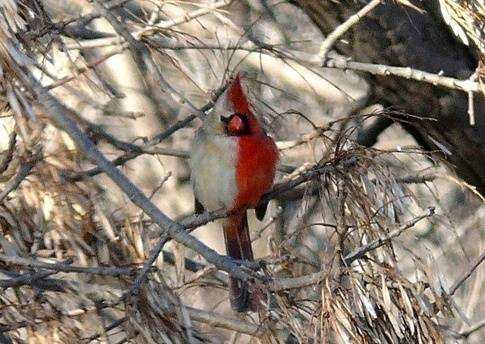
The Gynandromorphic Northern Cardinal: A Rare Avian Wonder with Split Sexual Identity
2 minute read

The Axolotl: Mexico’s Remarkable 'Walking Fish' and Genetic Marvel

Native to the freshwater lakes of Mexico City, the axolotl (Ambystoma mexicanum) is a salamander unlike any other—renowned for its permanent larval form, vibrant pinkish hue, and extraordinary regenerative abilities. Often called the "walking fish" due to its aquatic lifestyle, this critically endangered species has captivated scientists for centuries, serving as a key model in developmental biology.
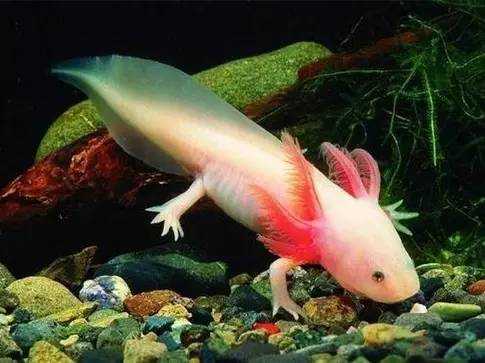
The Axolotl: Mexico’s Remarkable 'Walking Fish' and Genetic Marvel
2 minute read

The Amazon Milk Tree Frog: Nature’s Vibrant Green Amphibian with a Milky Defense

Native to the rainforests of northern South America, the Amazon milk tree frog (Trachycephalus resinifictrix) is a striking amphibian renowned for its vivid coloration and unique defensive adaptation. Found in the canopy of tropical forests from Venezuela to Brazil, this arboreal frog has captivated herpetologists with its bold appearance and the milky-white toxin it secretes when threatened.
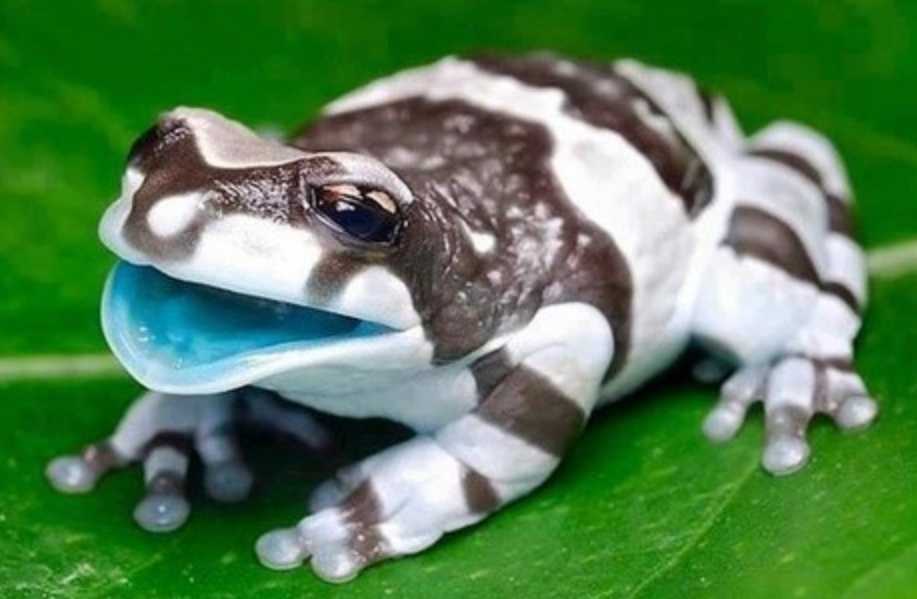
The Amazon Milk Tree Frog: Nature’s Vibrant Green Amphibian with a Milky Defense
2 minute read

The Glass Frog: Nature’s Transparent Amphibian with a Window to Its Inner World

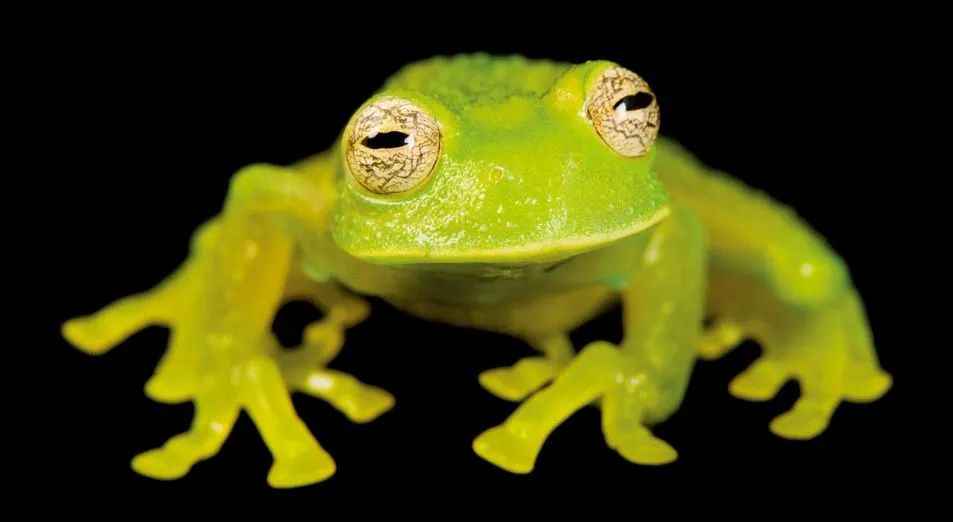
Native to the cloud forests of Central and South America, the glass frog (family Centrolenidae) is a remarkable amphibian celebrated for its most unique trait—transparent skin on its belly, allowing observers to see its beating heart, intestines, and even eggs. This evolutionary marvel has captivated biologists, offering a rare glimpse into the inner workings of a living animal.
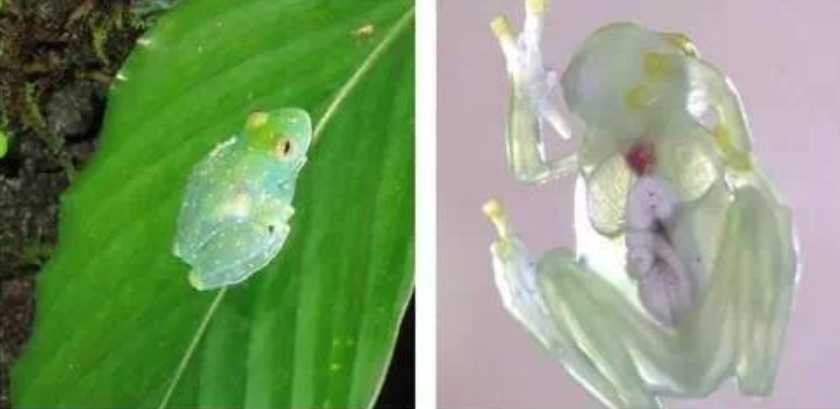
The Glass Frog: Nature’s Transparent Amphibian with a Window to Its Inner World
2 minute read

The Happy Face Spider: Hawaii’s Cryptic Arthropod with a Smiling Survival Strategy

Endemic to the rainforests of Hawaii, the happy face spider (Theridion grallator) is a tiny arachnid celebrated for its most whimsical trait—a ventral abdomen marked with patterns resembling a smiling face. Discovered in the 19th century, this cryptic spider has captivated entomologists with its unique coloration and the evolutionary mystery behind its cheerful design.
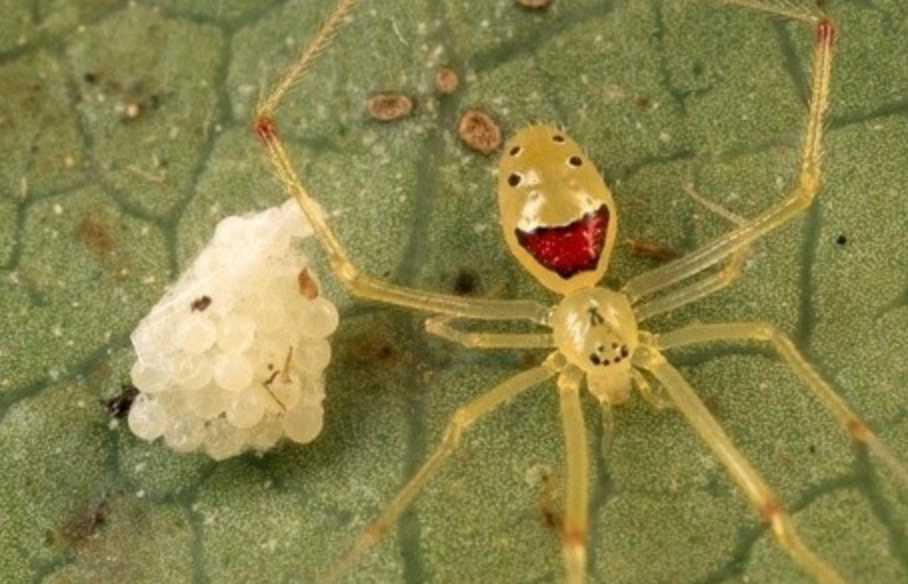
The Happy Face Spider: Hawaii’s Cryptic Arthropod with a Smiling Survival Strategy
1 minute read

Giant Wrasse: Endangered Icon of Marine Ecosystems

The humphead wrasse (Cheilinus undulatus), a majestic marine species, remains listed as endangered, facing ongoing threats to its survival in global oceans. Renowned for its impressive size, adult individuals can reach a staggering weight of 180 kilograms, making it one of the largest reef-dwelling fish in the world.
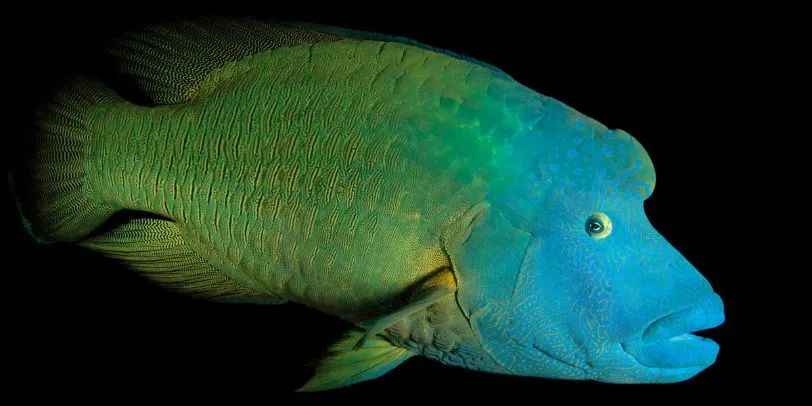
Giant Wrasse: Endangered Icon of Marine Ecosystems
1 minute read

Andes' "Wrinkled Frog" Faces Extinction, Adapting to Thin Oxygen with Unique Skin

In the high-altitude waters of the Andes, a remarkable amphibian clings to survival against daunting odds. The Titicaca water frog (Telmatobius culeus), listed as critically endangered by conservation authorities, has evolved a striking adaptation to thrive in one of the harshest aquatic environments on Earth.
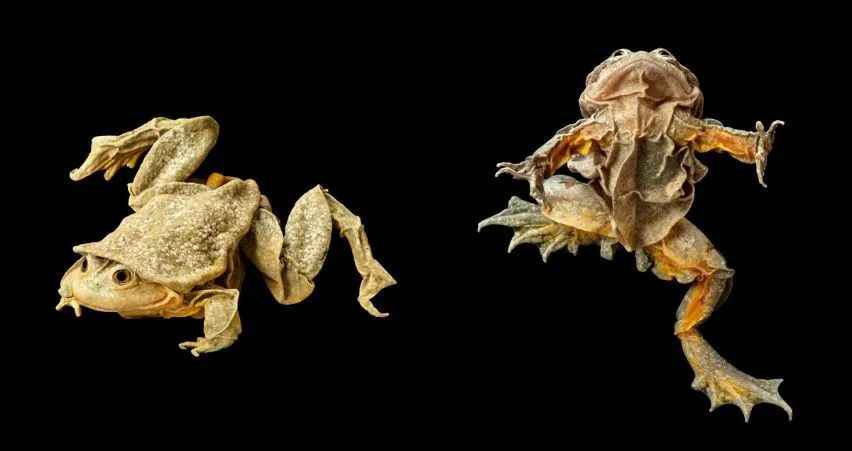
Andes' "Wrinkled Frog" Faces Extinction, Adapting to Thin Oxygen with Unique Skin

Latest Stories
Feline News2 minute readOriginating from the northwestern United States, the Pixiebob Longhair has captivated cat enthusiasts worldwide with its striking resemblance to the wild bobcat and its loyal, affectionate nature. As the long-haired variant of the Pixiebob breed, this "native new breed"—recognized by The International Cat Association (TICA)—boasts a robust physique, luxurious silky coat, and a uniquely bobbed tail, earning accolades in international cat shows.
Animal Information1 minute readOriginating in Hungary, the Komondor is a muscular large breed renowned as a fearless guardian. Historically tasked with protecting herds from wolves, this agile canine now serves as a devoted family guard dog, blending loyalty with a distinctive appearance that earned it a quirky nickname.
Feline News2 minute readThe Turkish Angora, a breed steeped in history and elegance, has captivated hearts for centuries with its striking appearance and regal demeanor. Originating from Ankara, Turkey (formerly Angora), this ancient longhair breed is believed to be the ancestor of many modern longhaired cats. Once on the brink of extinction, it was saved by dedicated conservation efforts, including a 1930s breeding program initiated by the Turkish government, which focused on preserving the iconic white-coated variety. Today, it stands as a national treasure, celebrated for its beauty and cultural significance.
Animal Information1 minute readThe humphead wrasse (Cheilinus undulatus), a majestic marine species, remains listed as endangered, facing ongoing threats to its survival in global oceans. Renowned for its impressive size, adult individuals can reach a staggering weight of 180 kilograms, making it one of the largest reef-dwelling fish in the world.
Feline News1 minute readThe Balinese cat, also known as the Bali cat or Java cat, is a charming medium - sized long - haired cat. It originated in the United States and is a long - haired mutant of the Siamese cat. It is named the Balinese cat because its movements are 酷似 those of the native Balinese dancers.
Animal Information1 minute readThe global population of Bengal tigers currently stands at approximately 24,000, but a closer look at the figures reveals a worrying reality: only around 3,200 of these majestic creatures live in their natural wild habitats, while nearly 20,000 are in captivity. This stark contrast becomes even more alarming when compared to historical records.
Animal Information1 minute readThe Atossa fritillary (Speyeria adiaste atossa), a butterfly once common in Southern California’s mountain regions, is feared extinct, with no confirmed sightings since 1959. Characterized by its broad wings decorated with elegant black spots, the species once thrived across the area’s rugged landscapes.