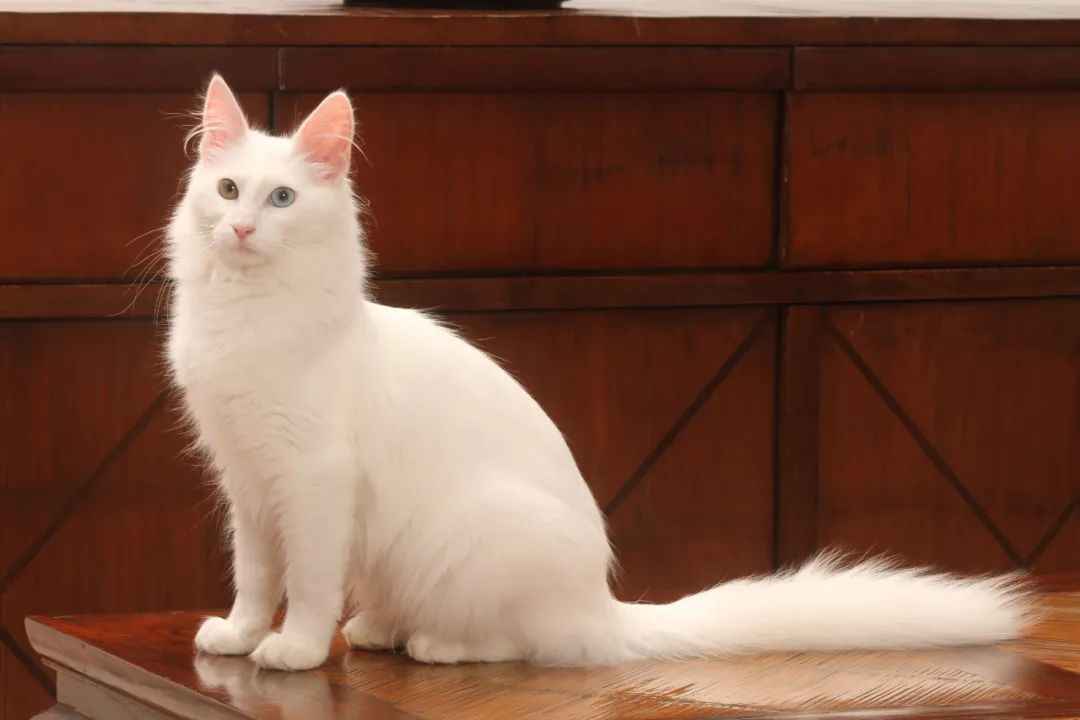
The Turkish Angora, a breed steeped in history and elegance, has captivated hearts for centuries with its striking appearance and regal demeanor. Originating from Ankara, Turkey (formerly Angora), this ancient longhair breed is believed to be the ancestor of many modern longhaired cats. Once on the brink of extinction, it was saved by dedicated conservation efforts, including a 1930s breeding program initiated by the Turkish government, which focused on preserving the iconic white-coated variety. Today, it stands as a national treasure, celebrated for its beauty and cultural significance.
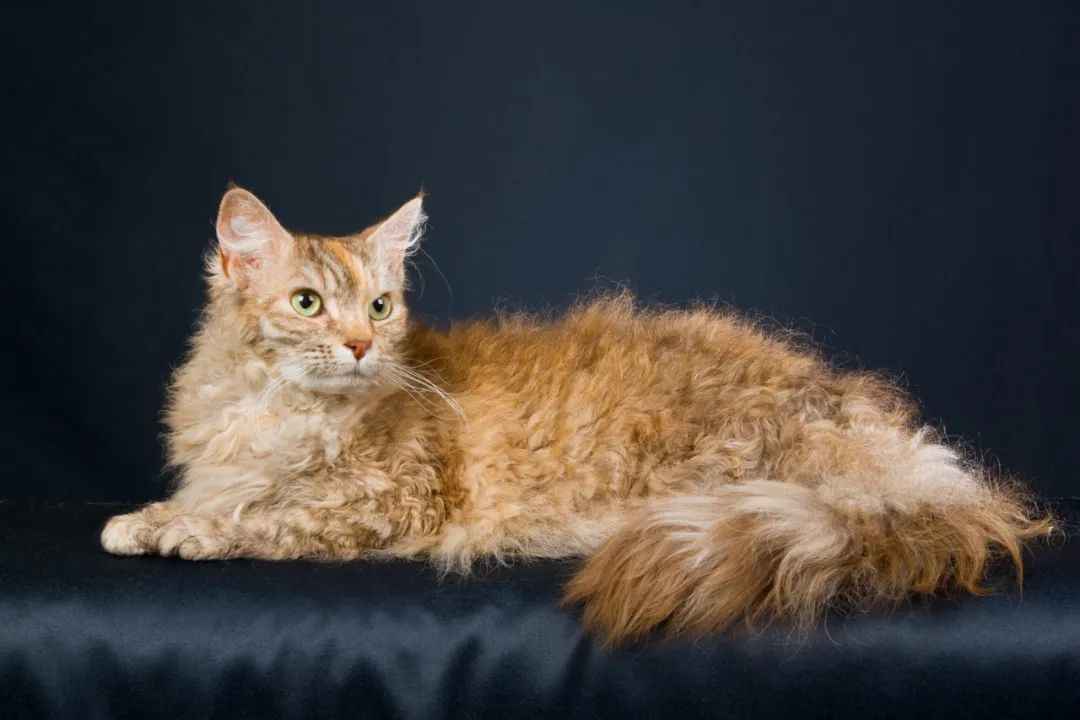
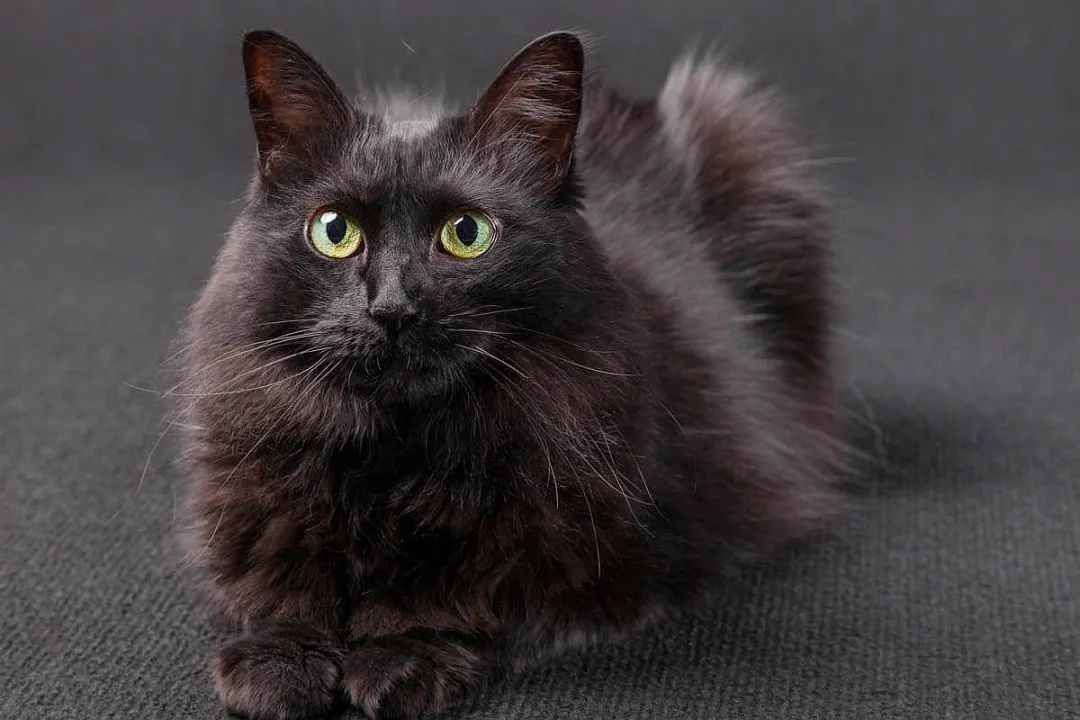
The Turkish Angora’s most defining feature is its luxurious, silky coat, which shimmers with movement and comes in a spectrum of colors—from pure white to tabby, tortoiseshell, and smoke patterns, excluding chocolate, lilac, or pointed markings. Its medium-sized, muscular body is complemented by long limbs and a plumed tail, while large, erect ears and almond-shaped eyes (often heterochromatic) add an otherworldly charm. Despite their delicate appearance, these cats are agile climbers, often found perching atop high surfaces—a trait humorously noted by breeders: “If you can’t find your Turk, look up!”.
Known for their intelligence and curiosity, Turkish Angoras are affectionate companions that thrive on human interaction. They form deep bonds with their owners, often shadowing them throughout the day and “helping” with tasks. Playful and energetic, they mimic dog-like loyalty, greeting family members at the door and engaging in interactive games. Their adaptability makes them ideal for households with children or other pets, though they may favor one person as their primary confidant.
While generally robust, white Turkish Angoras with blue eyes face a higher risk of congenital deafness due to genetic factors. Responsible breeders now prioritize hearing tests and outbreeding to reduce this risk. Additionally, the breed may be prone to hypertrophic cardiomyopathy and congenital ataxia, necessitating regular veterinary check-ups.
Source: Images from the Internet, if there is any infringement, please contact the removal of
In Turkey, conservation efforts have intensified, with the Angora Cat Protection Center in Ankara breeding over 600 kittens since 2017 and microchipping them to ensure traceability. Export restrictions and public awareness campaigns aim to safeguard the breed’s future while promoting its adoption domestically.
Throughout history, Turkish Angoras have been symbols of prestige, gracing the courts of Ottoman sultans and European nobility, including Marie Antoinette. In Turkish folklore, they are linked to goddesses like Cybele, embodying grace and protection. Today, their image adorns art and luxury branding, reflecting their enduring association with elegance and sophistication.
From ancient Anatolia to modern homes, the Turkish Angora remains a testament to the harmony of beauty and resilience. With its captivating gaze and spirited personality, this feline royalty continues to enchant as both a living legacy and a cherished companion.