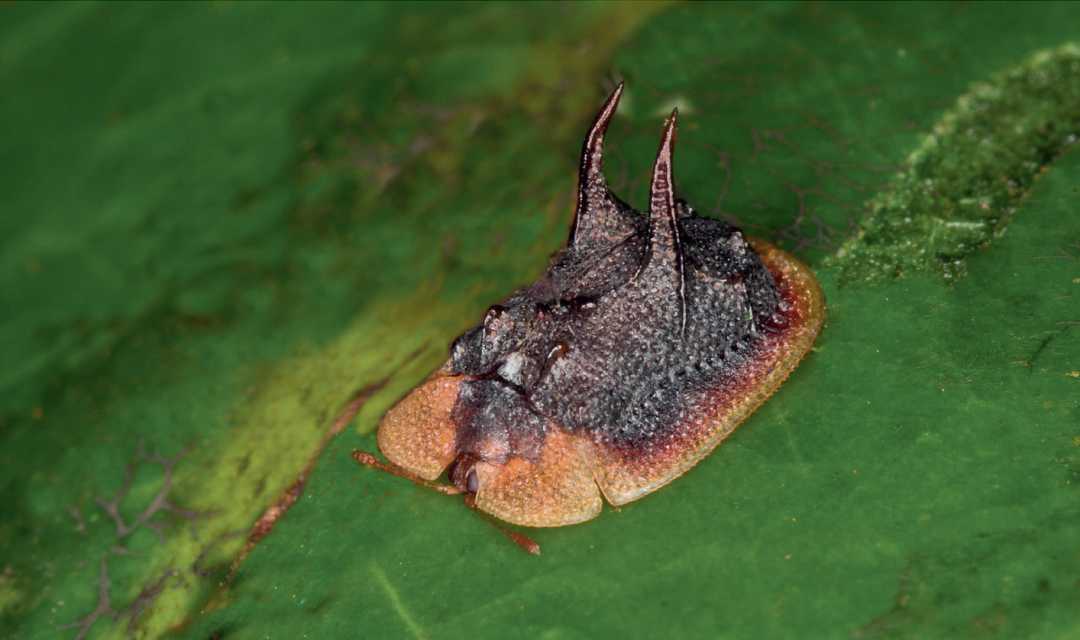
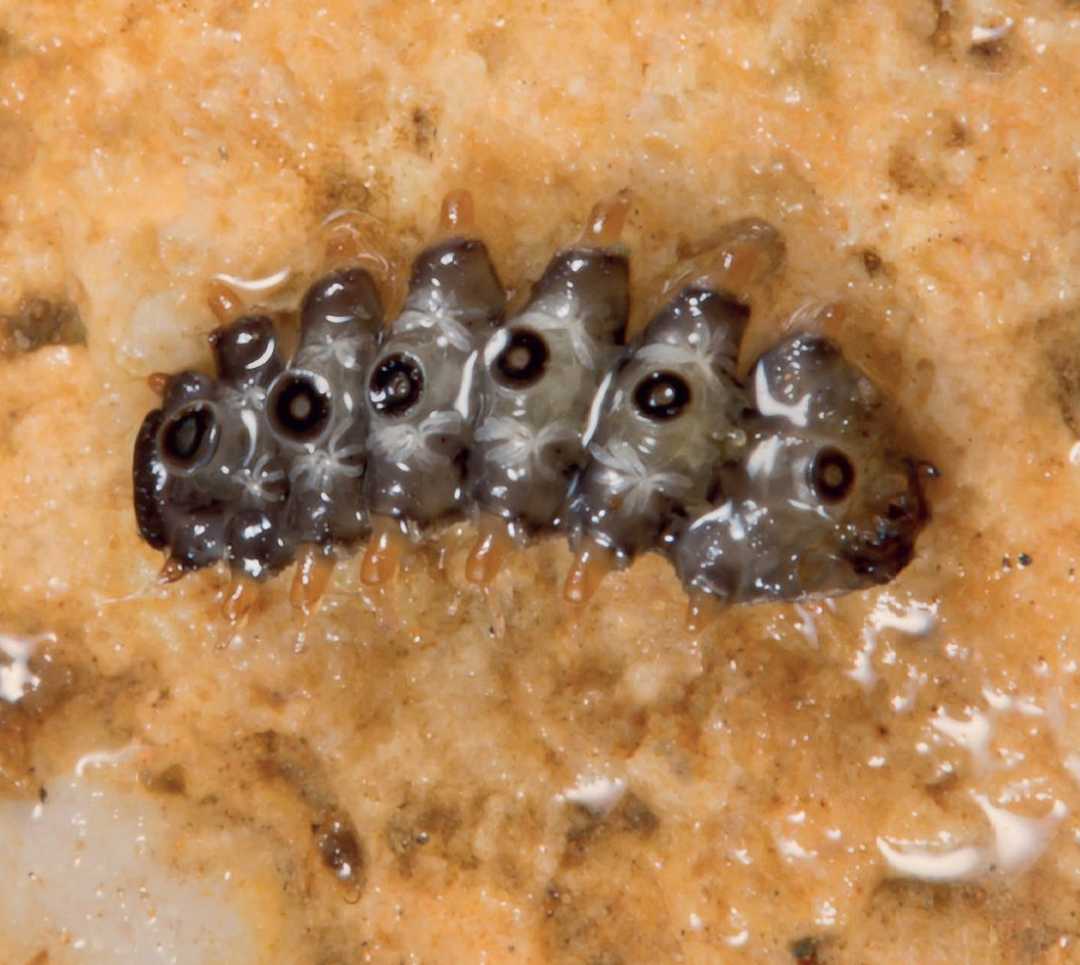
The Alien-Looking Insect of the Blephariceridae Family
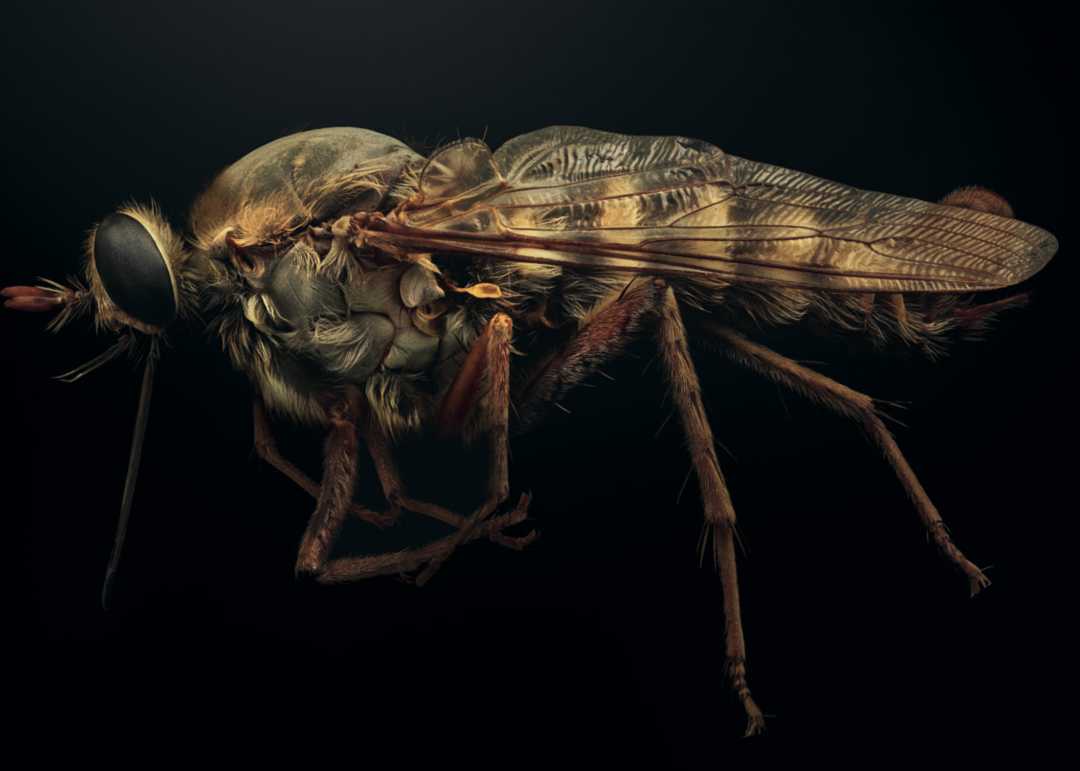
Members of the net-winged midge family (Blephariceridae) resemble extraterrestrial creatures, thriving in the turbulent waters of fast-flowing streams and waterfalls. Their larvae possess a remarkable adaptation: numerous suction cups on the ventral side of their bodies, allowing them to cling tenaciously to slippery rocks amid raging currents. This unique morphology enables them to withstand the force of rushing water while feeding.
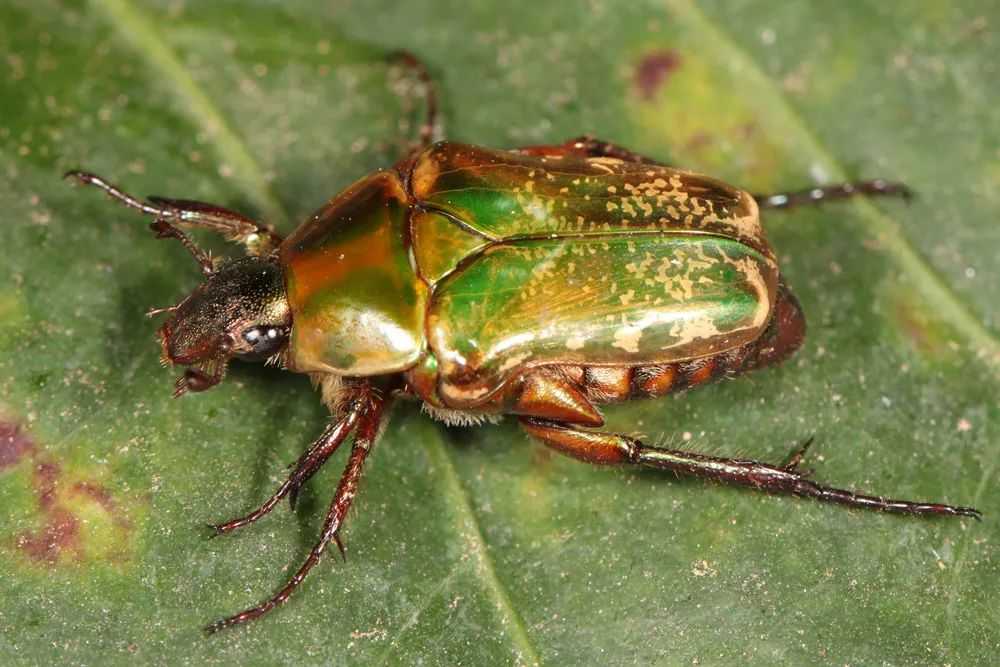
Scarab Beetles (Scarabaeidae): Jewels of the Insect World
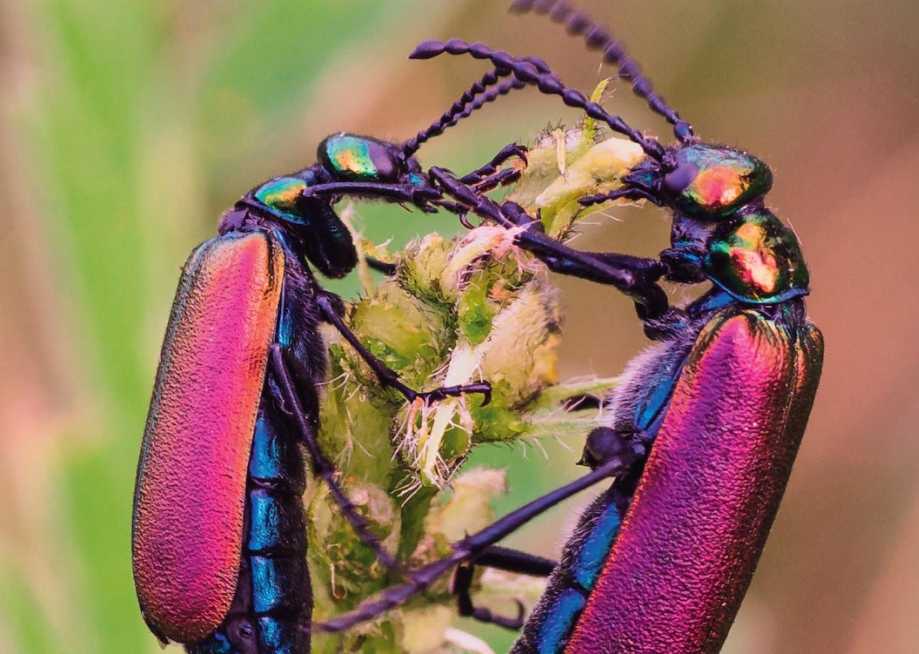
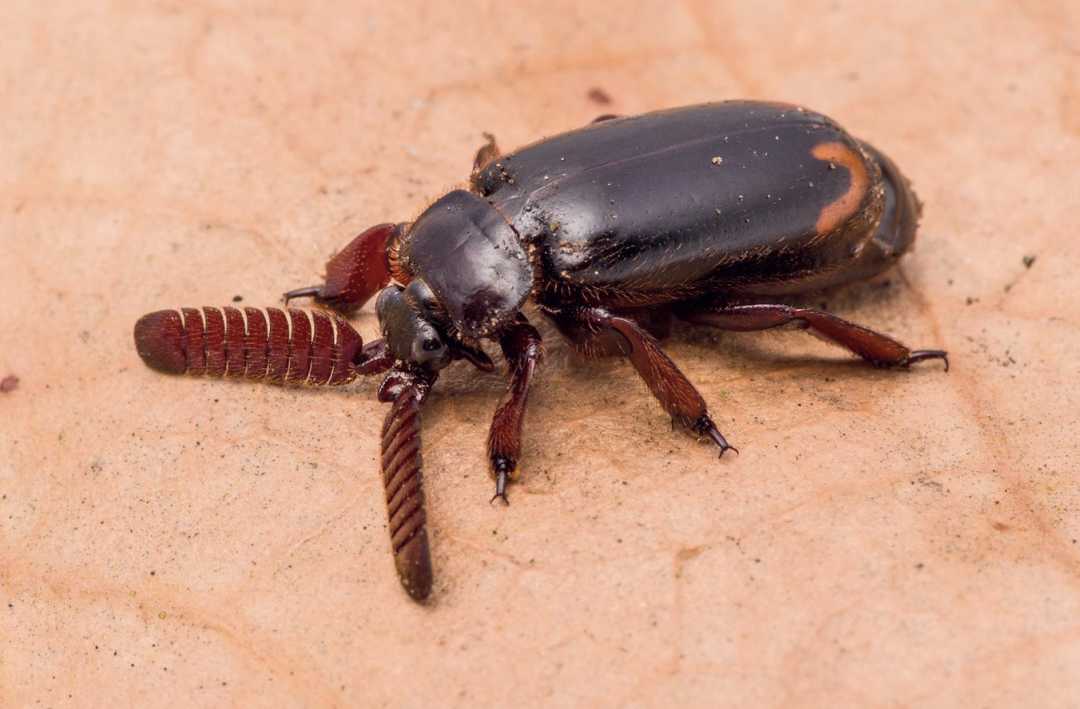
Scarab beetles, comprising the family Scarabaeidae, are a diverse group of coleopterans renowned for their often iridescent exoskeletons, distinctive morphology, and ecological significance. With over 30,000 species worldwide, they inhabit almost every terrestrial ecosystem, from deserts to rainforests.
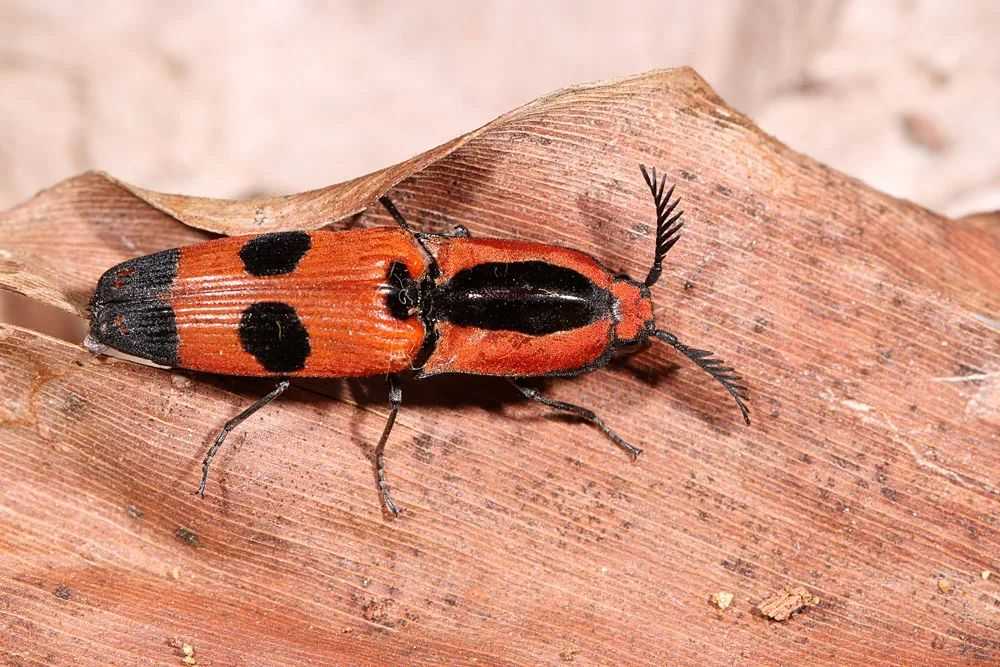
Click Beetles: Nature's Acrobatic Jumpers with a Startling Survival Trick
Click beetles, members of the family Elateridae, captivate with their unique ability to launch themselves into the air with an audible "click," a defense mechanism that has fascinated scientists and nature enthusiasts alike. Found worldwide, these beetles blend the mundane with the extraordinary, combining a modest 外形 with a spectacular biological adaptation.
Weevils: Tiny Architects of the Insect World with a Probing Passion
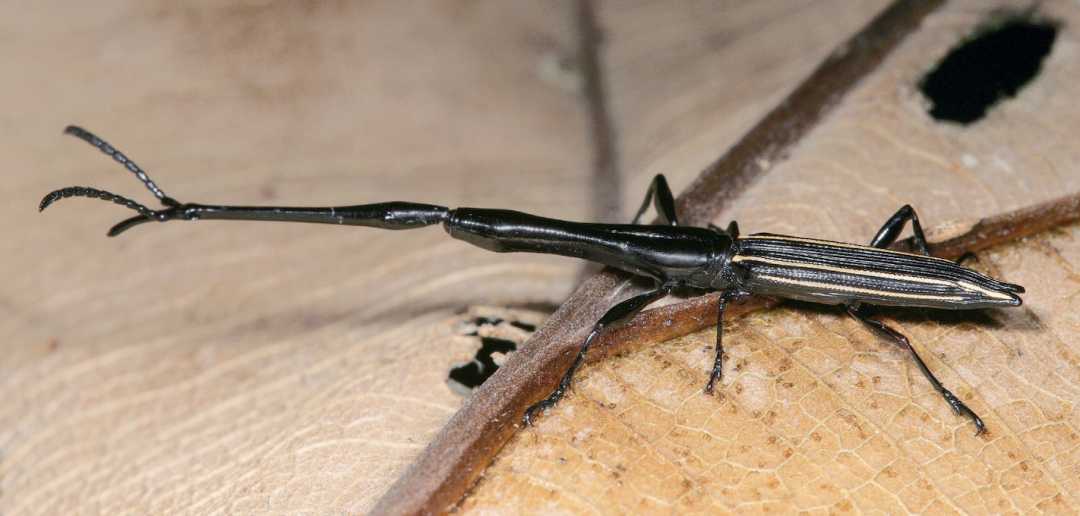
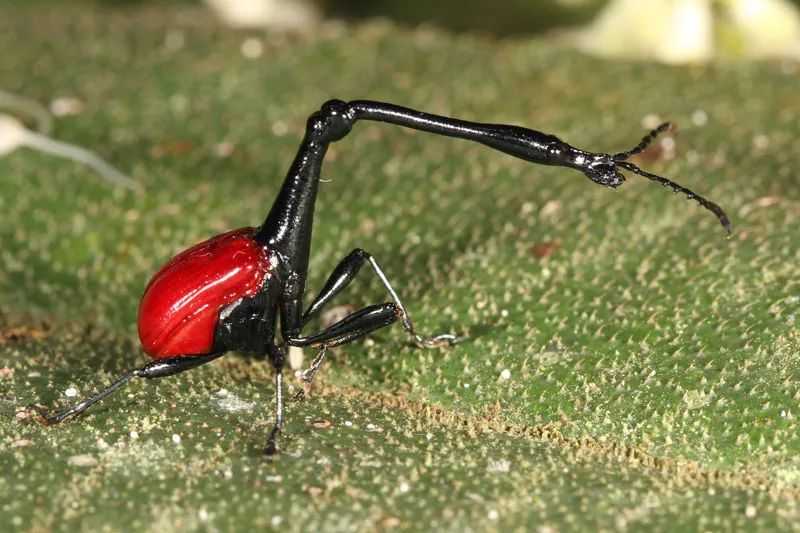
Weevils, members of the Curculionidae family, stand out among beetles for their distinctive snout-like rostrum and compact, often armored bodies. With over 97,000 species worldwide, these insects have evolved to inhabit nearly every ecosystem, from tropical rainforests to urban pantries. Their unassuming appearance belies a remarkable ability to adapt, making them both ecological contributors and occasional nuisances to human activities.
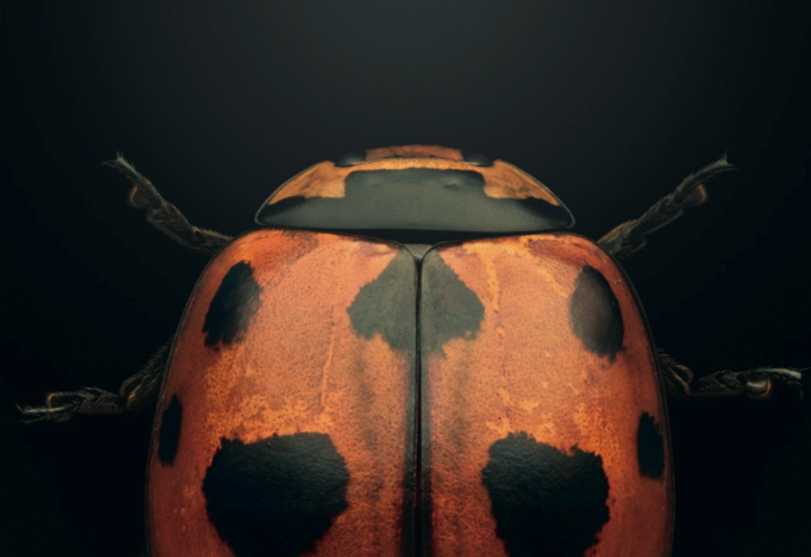
The Mysterious Disappearance of the Nine-Spotted Ladybug
The nine-spotted ladybug, Coccinella novemnotata, once held a place of prominence across North America. In the United States, it was even designated as the official insect of New York State, symbolizing its significance. This species was once widespread throughout the US and Canada, playing a crucial role in the agricultural ecosystem. Famously, it was a voracious predator of aphids and other pest insects, acting as a natural form of pest control and helping farmers safeguard their crops without the heavy use of pesticides.
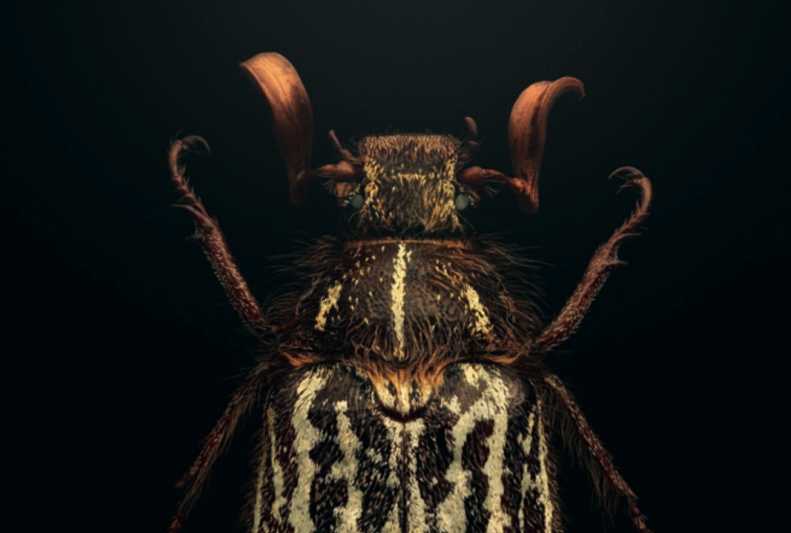
The Elusive White-striped Clouded Chafer: A Rare Californian Insect
The white-striped clouded chafer, scientifically known as Polyphylla variolosa, is a unique and somewhat mysterious insect within the family Scarabaeidae. This species is notable for its distinct appearance and its significance within the ecosystems it inhabits, although much about its current status remains a concern.
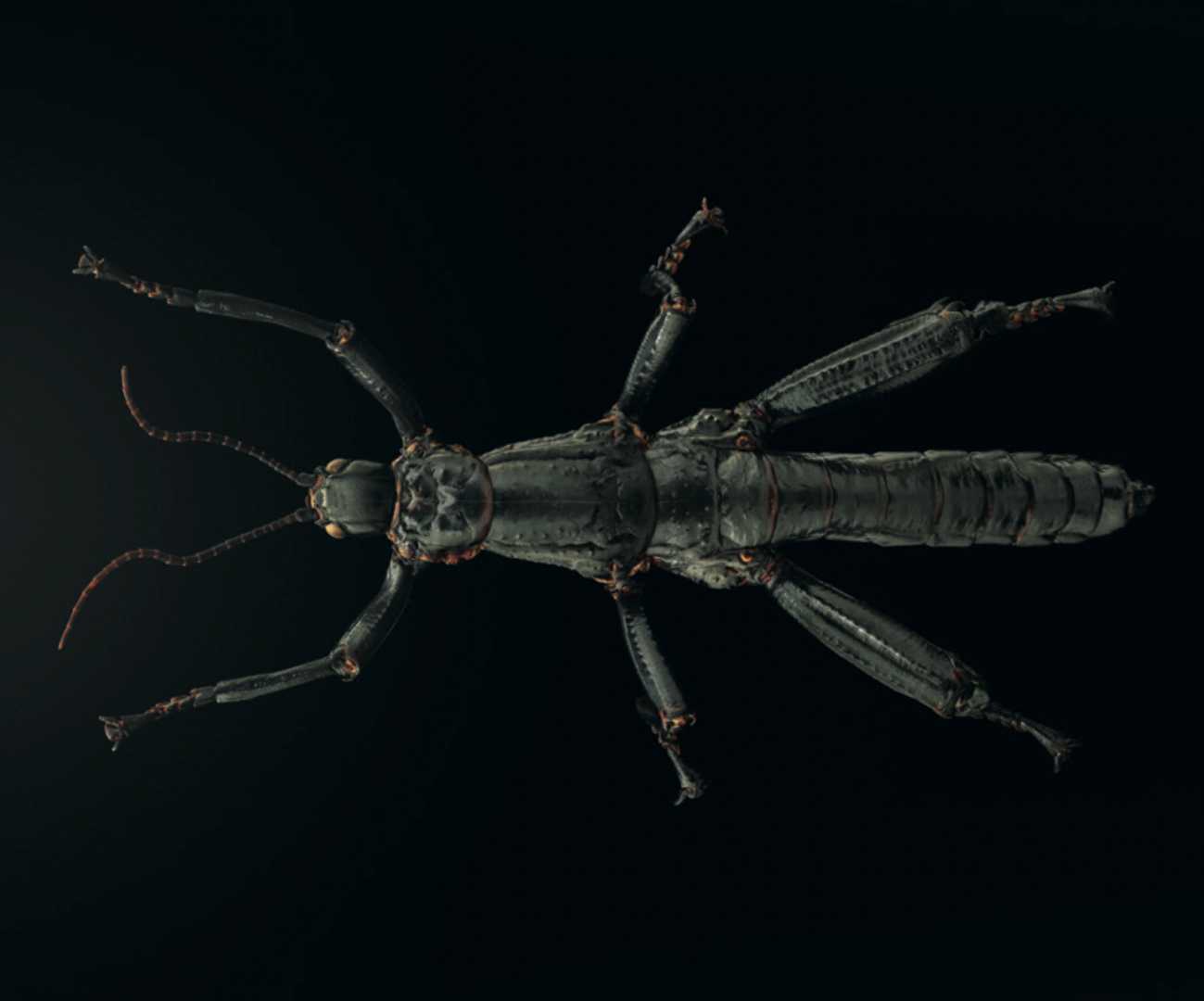
The Resilient Return of the Lord Howe Island Stick Insect
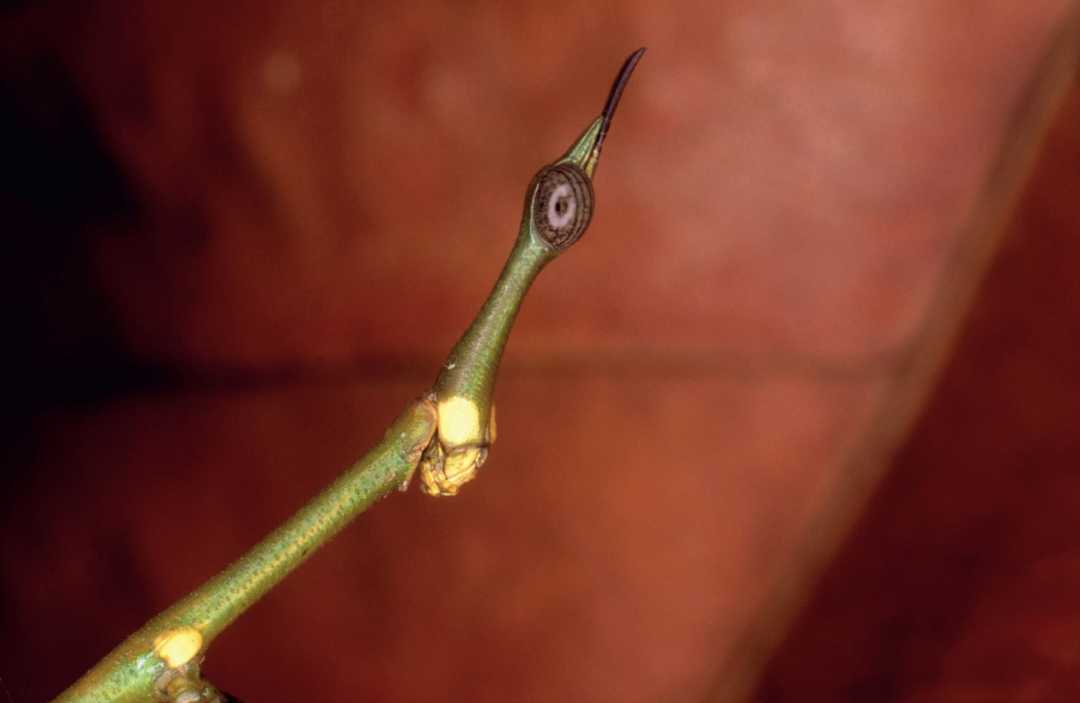
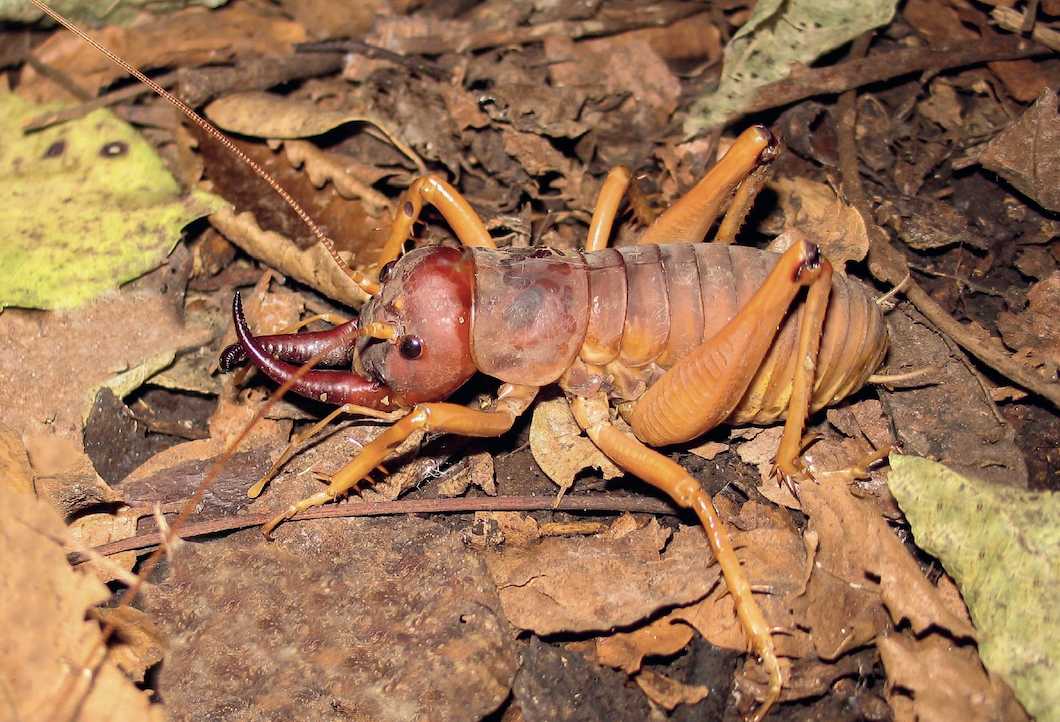
The Lord Howe Island stick insect, scientifically known as Dryococelus australis, is a remarkable insect that has captured the attention of the scientific community and nature enthusiasts alike. This species, often referred to as the "land lobster" due to its large size and robust appearance, has a unique and compelling story of near - extinction and subsequent rediscovery.
The Banded Dark Fishfly: Nigronia fasciata
The banded dark fishfly, scientifically known as Nigronia fasciata, is a member of the family Corydalidae within the order Megaloptera. Here is a detailed account: