1 minute read

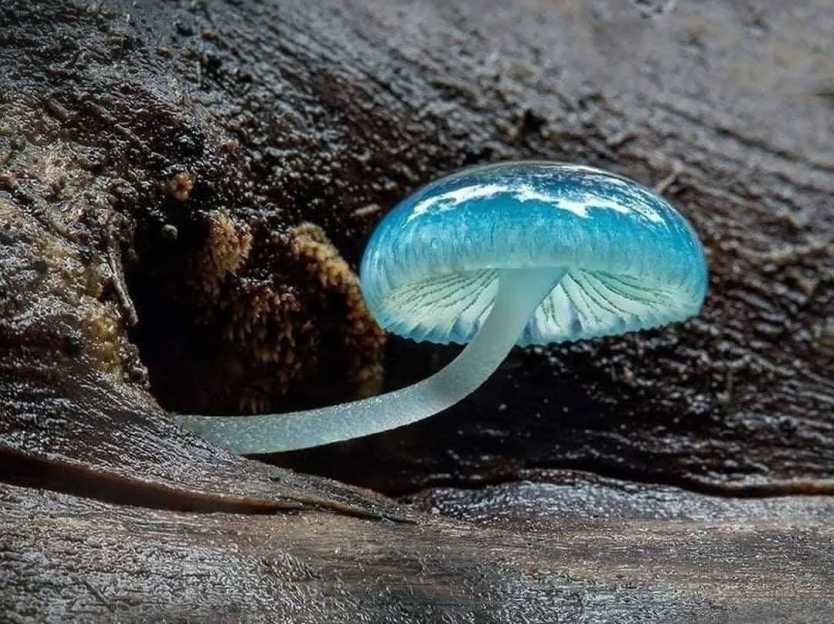
Mushrooms That Glow at Night: A Mysterious and Beautiful Natural Phenomenon

In the mysterious world of fungi, there exists a group of mushrooms with a unique ability - they can glow in the dark, creating a captivating and otherworldly scene.
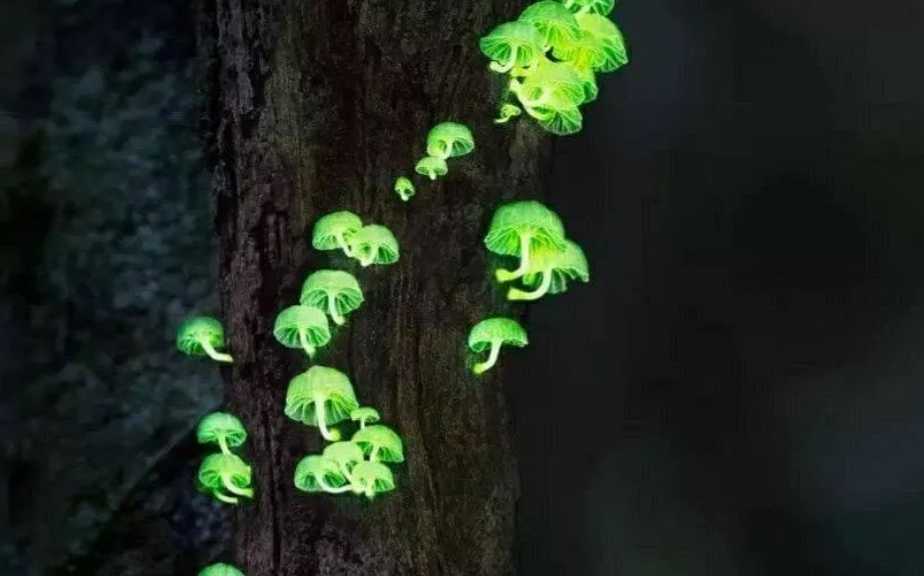
Mushrooms That Glow at Night: A Mysterious and Beautiful Natural Phenomenon
1 minute read

Satanic Leaf-Tailed Gecko: Nature's Master of Dead Leaf Mimicry

In the dense rainforests of Madagascar, a remarkable reptile demonstrates nature’s most astonishing camouflage: the Satanic leaf-tailed gecko (Uroplatus phantasticus). Renowned for its uncanny resemblance to a dried, withered leaf, this gecko has evolved the perfect disguise to vanish into its forest habitat.
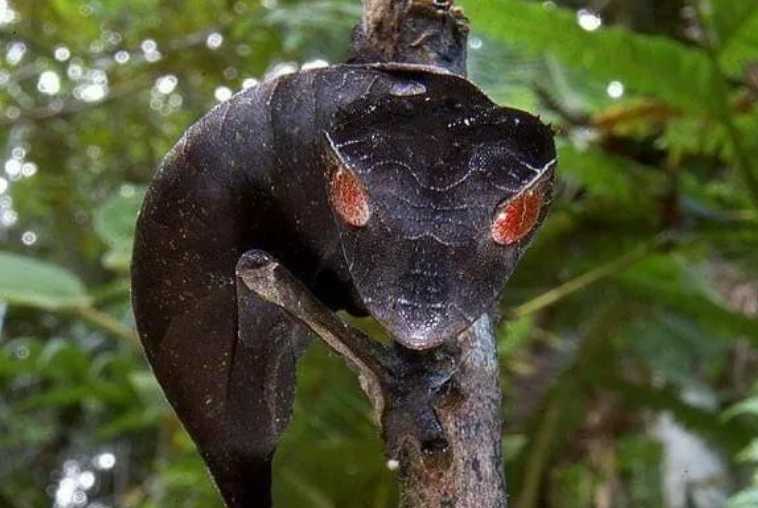
Satanic Leaf-Tailed Gecko: Nature's Master of Dead Leaf Mimicry
1 minute read

The Rainbow Grasshopper: A Vibrant Jewel of North America's Arid Plains

Native to the arid grasslands and sparse shortgrass habitats of North America, the rainbow grasshopper (Dactylotum bicolor) dazzles with its striking array of hues, defying the muted tones of its dry, sun-baked environment. This medium-sized orthopteran, also known as the painted grasshopper, showcases a vivid palette of red, orange, yellow, blue, and purple on its abdomen, legs, and wings, making it one of the most colorful insects in the region.
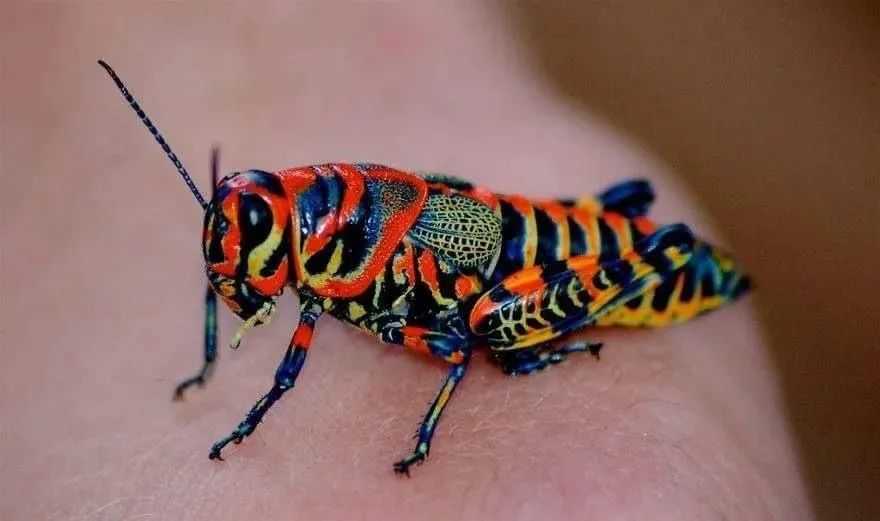
The Rainbow Grasshopper: A Vibrant Jewel of North America's Arid Plains
1 minute read

The Magic Flower Mantis: A Master of Floral Camouflage

In the tropical forests of Africa, the magic flower mantis (Idolomantis diabolica) performs nature’s most elegant illusion: mimicking vibrant flowers so perfectly that even keen eyes struggle to distinguish it from real blooms. This remarkable insect, also known as the devil’s flower mantis, showcases evolution’s pinnacle of camouflage, blurring the line between predator and petal.
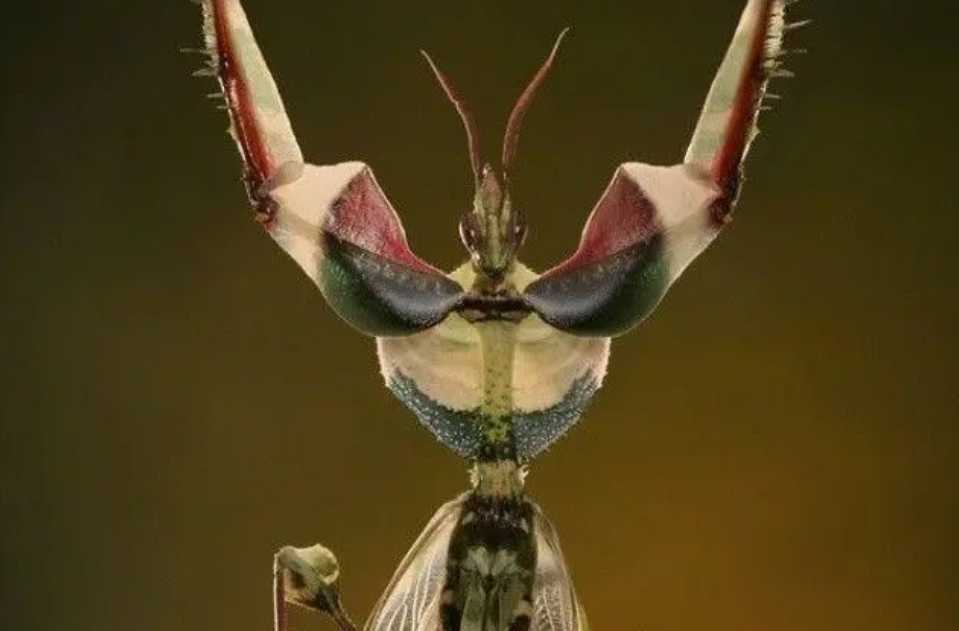
The Magic Flower Mantis: A Master of Floral Camouflage
1 minute read

The Brazilian Four-Tubercled Treehopper: Nature's Bizarre 'Helicopter' Insect

Deep in Brazil’s rainforests, a tiny insect has evolved an otherworldly appearance: the four-tubercled treehopper (Bocydium globulare), whose head is crowned with bulbous, hairy projections resembling a miniature helicopter. This remarkable bug, part of the family Membracidae, showcases nature’s most whimsical adaptation, blending survival strategy with an almost sci-fi aesthetic.
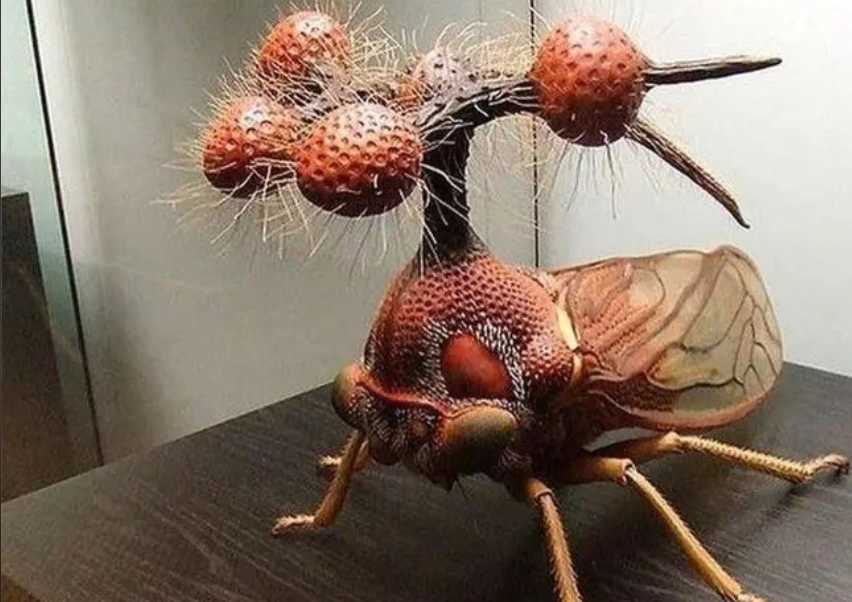
The Brazilian Four-Tubercled Treehopper: Nature's Bizarre 'Helicopter' Insect
1 minute read

The Orange Turtle Spider: Nature’s Bizarre Blend of Arachnid and Reptile Traits

Deep in the tropical forests of Southeast Asia, a spider defies all expectations with its vibrant hue and shell-like back: the orange turtle spider (Cephalothorax aurantiacus). Unlike typical arachnids, this species boasts a vivid orange exoskeleton and a domed, segmented "shell" on its abdomen, creating an uncanny resemblance to a tiny turtle—a design that has fascinated entomologists and nature enthusiasts alike.
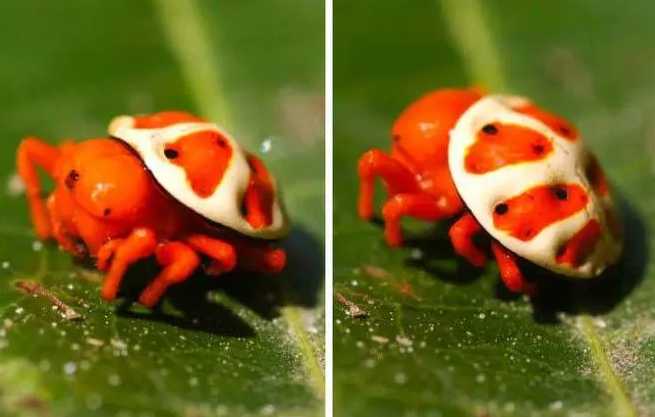
The Orange Turtle Spider: Nature’s Bizarre Blend of Arachnid and Reptile Traits
1 minute read

The Cameroon Armored Tree Cricket: Nature’s Golden Warrior Insect

In the dense forests of Cameroon, an insect emerges that resembles a tiny ant clad in golden armor: the Cameroon armored tree cricket (Acanthoplus discoidalis). This remarkable orthopteran, part of the family Tettigoniidae, showcases a striking exoskeleton of iridescent gold and bronze, combined with spiky projections that give it the appearance of a miniature warrior ready for battle.
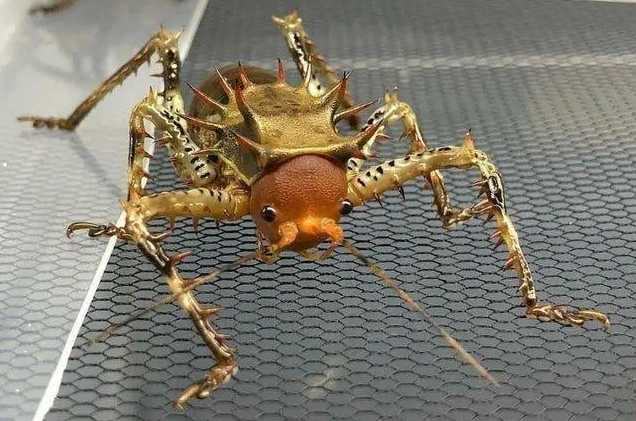
The Cameroon Armored Tree Cricket: Nature’s Golden Warrior Insect
1 minute read

The Wasp Mantisfly: A Hybrid Predator That's Neither Mantis Nor Wasp

In the tropical and subtropical regions of the world, the wasp mantisfly (Climaciella brunnea) perplexes observers with its split identity: the front half resembles a praying mantis, while the rear mimics a wasp. This insect, part of the family Mantispidae, is a master of evolutionary mimicry, blending features of two fearsome species to create a creature that defies easy classification.
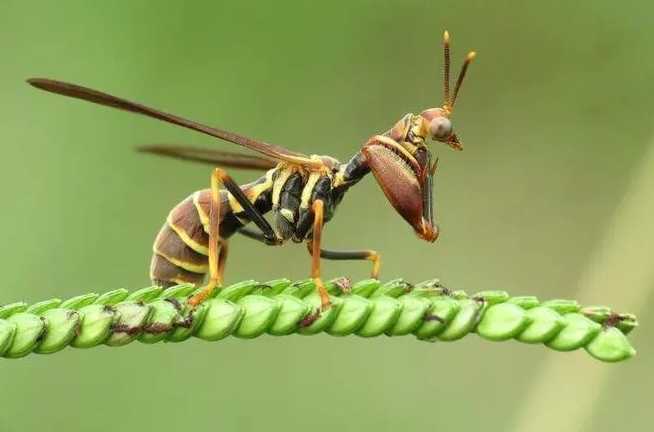
The Wasp Mantisfly: A Hybrid Predator That's Neither Mantis Nor Wasp

Latest Stories
Feline News2 minute readOriginating from the northwestern United States, the Pixiebob Longhair has captivated cat enthusiasts worldwide with its striking resemblance to the wild bobcat and its loyal, affectionate nature. As the long-haired variant of the Pixiebob breed, this "native new breed"—recognized by The International Cat Association (TICA)—boasts a robust physique, luxurious silky coat, and a uniquely bobbed tail, earning accolades in international cat shows.
Animal Information1 minute readOriginating in Hungary, the Komondor is a muscular large breed renowned as a fearless guardian. Historically tasked with protecting herds from wolves, this agile canine now serves as a devoted family guard dog, blending loyalty with a distinctive appearance that earned it a quirky nickname.
Feline News2 minute readThe Turkish Angora, a breed steeped in history and elegance, has captivated hearts for centuries with its striking appearance and regal demeanor. Originating from Ankara, Turkey (formerly Angora), this ancient longhair breed is believed to be the ancestor of many modern longhaired cats. Once on the brink of extinction, it was saved by dedicated conservation efforts, including a 1930s breeding program initiated by the Turkish government, which focused on preserving the iconic white-coated variety. Today, it stands as a national treasure, celebrated for its beauty and cultural significance.
Animal Information1 minute readThe humphead wrasse (Cheilinus undulatus), a majestic marine species, remains listed as endangered, facing ongoing threats to its survival in global oceans. Renowned for its impressive size, adult individuals can reach a staggering weight of 180 kilograms, making it one of the largest reef-dwelling fish in the world.
Feline News1 minute readThe Balinese cat, also known as the Bali cat or Java cat, is a charming medium - sized long - haired cat. It originated in the United States and is a long - haired mutant of the Siamese cat. It is named the Balinese cat because its movements are 酷似 those of the native Balinese dancers.
Animal Information1 minute readThe global population of Bengal tigers currently stands at approximately 24,000, but a closer look at the figures reveals a worrying reality: only around 3,200 of these majestic creatures live in their natural wild habitats, while nearly 20,000 are in captivity. This stark contrast becomes even more alarming when compared to historical records.
Animal Information1 minute readThe Atossa fritillary (Speyeria adiaste atossa), a butterfly once common in Southern California’s mountain regions, is feared extinct, with no confirmed sightings since 1959. Characterized by its broad wings decorated with elegant black spots, the species once thrived across the area’s rugged landscapes.