The Stag Beetle (Lucanidae): Nature's Antlered Warriors and Silent Engineers


Insect Information
The Stag Beetle (Lucanidae): Nature's Antlered Warriors and Silent Engineers

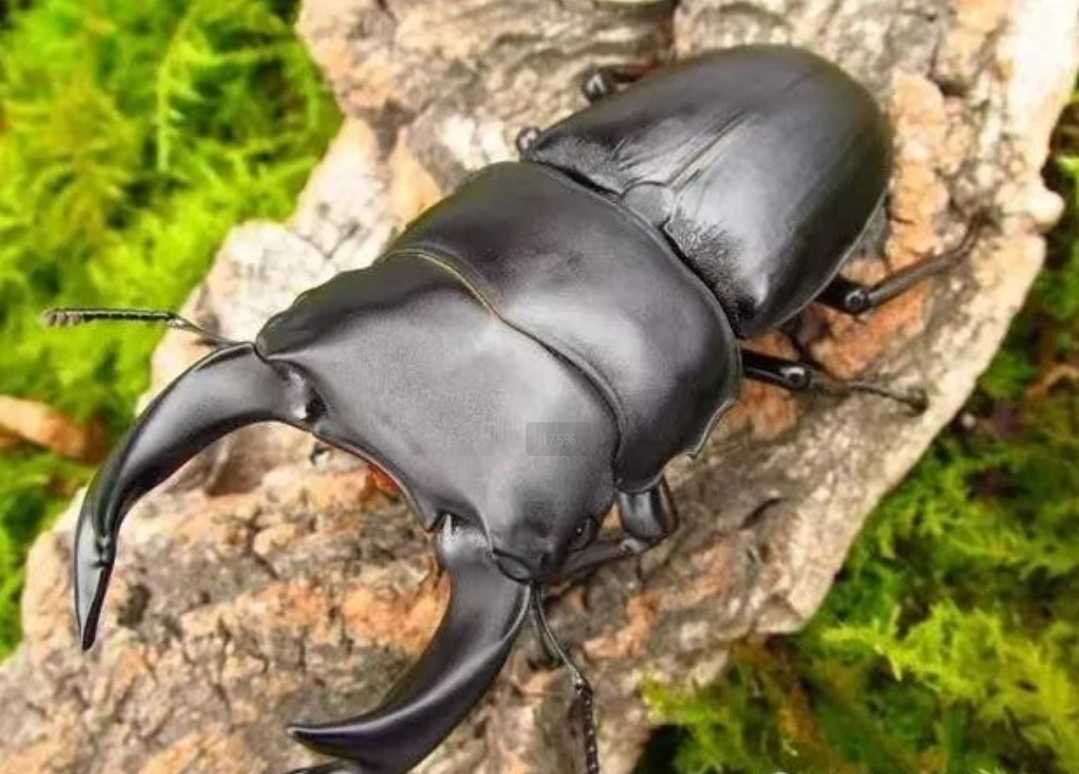
Stag beetles, members of the family Lucanidae, are iconic insects celebrated for their dramatic sexual dimorphism—nowhere more evident than in the antler-like mandibles of males, which can exceed body length in some species. With around 1,200 known species globally—50 of which are endemic to Taiwan—these beetles blend martial prowess with ecological utility, thriving in forest ecosystems where their larvae feed on decaying wood.


Morphology: Beauty vs. Brawn
Male stag beetles wield mandibles shaped like elk antlers, adapted for ritualized combat over mates rather than practical feeding. These appendages, while imposing, are surprisingly fragile—used primarily to lift rivals rather than inflict damage, earning them the reputation of "all show, no bite." Females, by contrast, possess shorter, robust mandibles with far stronger bite forces, capable of piercing tree bark to access sap or excavate oviposition sites. This functional disparity highlights nature’s strategy: males invest in display structures, while females prioritize survival and reproduction.


Life Cycle: Decomposers of the Forest Floor
Larvae, often called "white grubs," spend 1–3 years buried in rotting wood, breaking down cellulose and contributing to nutrient cycling. Their creamy white bodies and curved form are adapted for navigating decaying logs, where they feed on fungi and detritus. Upon pupation, adults emerge with hardened exoskeletons in hues of black, brown, or iridescent green. Though adults have reduced mouthparts and survive mainly on nectar or tree sap, their brief lives are dedicated to mating—males attracting females through pheromones and territorial displays.


Cultural Significance and Conservation
In many cultures, stag beetles symbolize strength and perseverance, appearing in folklore and even as pets in some Asian countries, where enthusiasts breed them for size and color. However, habitat loss from deforestation and urbanization threatens many species, particularly in regions like Taiwan, where endemic lucanids face shrinking forest habitats. Conservation efforts focus on preserving deadwood habitats and raising awareness about their role as forest recyclers. For all their imposing appearance, stag beetles serve as gentle reminders of nature’s balance—where flamboyant displays and quiet ecological work coexist in the intricate web of life.

Latest Stories
Feline News2 minute readOriginating from the northwestern United States, the Pixiebob Longhair has captivated cat enthusiasts worldwide with its striking resemblance to the wild bobcat and its loyal, affectionate nature. As the long-haired variant of the Pixiebob breed, this "native new breed"—recognized by The International Cat Association (TICA)—boasts a robust physique, luxurious silky coat, and a uniquely bobbed tail, earning accolades in international cat shows.
Animal Information1 minute readOriginating in Hungary, the Komondor is a muscular large breed renowned as a fearless guardian. Historically tasked with protecting herds from wolves, this agile canine now serves as a devoted family guard dog, blending loyalty with a distinctive appearance that earned it a quirky nickname.
Feline News2 minute readThe Turkish Angora, a breed steeped in history and elegance, has captivated hearts for centuries with its striking appearance and regal demeanor. Originating from Ankara, Turkey (formerly Angora), this ancient longhair breed is believed to be the ancestor of many modern longhaired cats. Once on the brink of extinction, it was saved by dedicated conservation efforts, including a 1930s breeding program initiated by the Turkish government, which focused on preserving the iconic white-coated variety. Today, it stands as a national treasure, celebrated for its beauty and cultural significance.
Animal Information1 minute readThe humphead wrasse (Cheilinus undulatus), a majestic marine species, remains listed as endangered, facing ongoing threats to its survival in global oceans. Renowned for its impressive size, adult individuals can reach a staggering weight of 180 kilograms, making it one of the largest reef-dwelling fish in the world.
Feline News1 minute readThe Balinese cat, also known as the Bali cat or Java cat, is a charming medium - sized long - haired cat. It originated in the United States and is a long - haired mutant of the Siamese cat. It is named the Balinese cat because its movements are 酷似 those of the native Balinese dancers.
Animal Information1 minute readThe global population of Bengal tigers currently stands at approximately 24,000, but a closer look at the figures reveals a worrying reality: only around 3,200 of these majestic creatures live in their natural wild habitats, while nearly 20,000 are in captivity. This stark contrast becomes even more alarming when compared to historical records.
Animal Information1 minute readThe Atossa fritillary (Speyeria adiaste atossa), a butterfly once common in Southern California’s mountain regions, is feared extinct, with no confirmed sightings since 1959. Characterized by its broad wings decorated with elegant black spots, the species once thrived across the area’s rugged landscapes.