Bat Moths: A Diverse and Prolific Insect Group


Insect Information
Bat Moths: A Diverse and Prolific Insect Group

Bat moths belong to the genus Hepialus in the family Hepialidae. They are a group of insects with remarkable reproductive capabilities. A female bat moth can lay more than 2,900 eggs, which is quite prolific among insects.


There are nearly 300 different species of bat moths globally, and they are distributed in various regions. These different species have adapted to their specific habitats, resulting in certain variations. In China, 82 species belonging to 7 genera have been found. These moths have a wide distribution range, and some species inhabit alpine areas above 3,000 meters above sea level.


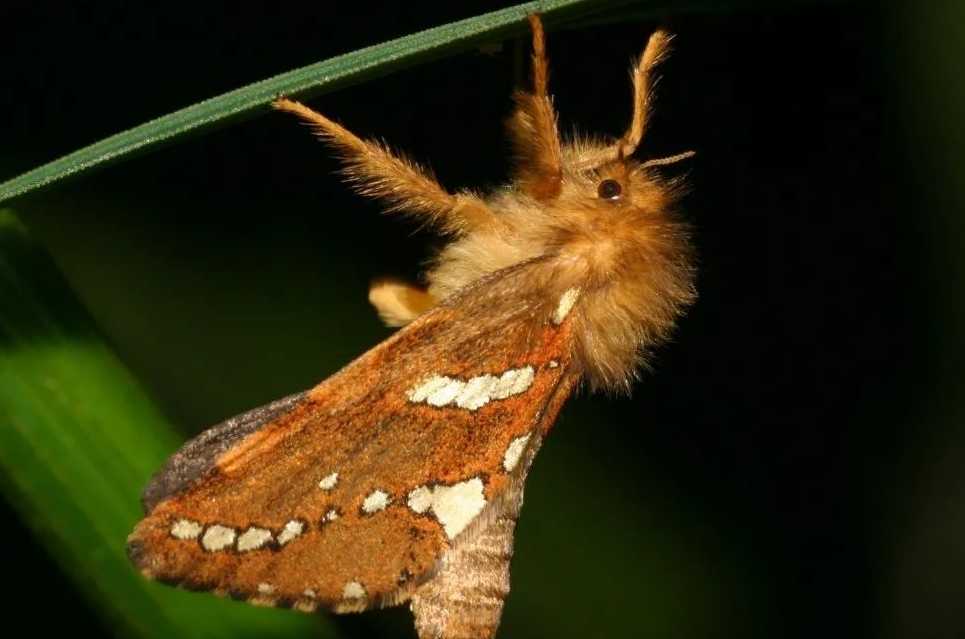
Bat moths have distinct morphological characteristics. The adult moths are brown - yellow in color, with long gray - yellow hairs on their bodies. Their antennae are short and thread - like. The front wings have a brown front edge, with a gray - yellow triangular spot and black spots in the middle. The hind wings are narrow and brown - black, and the patterns on the wings vary greatly. The female adults are generally dull - colored with obvious black spots, while the male adults are more brightly colored.


The life cycle of bat moths is complex. The larvae live underground for several years, feeding on the roots and stems of alpine plants such as Polygonum viviparum, P. capitatum, Rheum pumilum, and Potentilla fruticosa. After pupation in spring, the adults emerge. The adults do not have mouthparts and cannot feed. Their lifespan is extremely short, usually not exceeding a week. During this short period, their main task is to reproduce.


It is worth mentioning that bat moths are closely related to the well - known Chinese medicinal material, Cordyceps sinensis. Cordyceps sinensis is a dry complex of the stroma of the fungus Ophiocordyceps sinensis and the corpse of the larva of the bat moth. The fungus parasitizes the larvae of bat moths in alpine meadows and snow - capped grasslands above 3,000 meters above sea level in China. As the fungus grows, it fills the entire body of the larva, eventually leading to the death of the larva. The following spring and summer, the fungus germinates and grows out of the mouth or head of the bat moth larva, forming the Cordyceps sinensis that we see in the wild.
Latest Stories
Feline News2 minute readOriginating from the northwestern United States, the Pixiebob Longhair has captivated cat enthusiasts worldwide with its striking resemblance to the wild bobcat and its loyal, affectionate nature. As the long-haired variant of the Pixiebob breed, this "native new breed"—recognized by The International Cat Association (TICA)—boasts a robust physique, luxurious silky coat, and a uniquely bobbed tail, earning accolades in international cat shows.
Animal Information1 minute readOriginating in Hungary, the Komondor is a muscular large breed renowned as a fearless guardian. Historically tasked with protecting herds from wolves, this agile canine now serves as a devoted family guard dog, blending loyalty with a distinctive appearance that earned it a quirky nickname.
Feline News2 minute readThe Turkish Angora, a breed steeped in history and elegance, has captivated hearts for centuries with its striking appearance and regal demeanor. Originating from Ankara, Turkey (formerly Angora), this ancient longhair breed is believed to be the ancestor of many modern longhaired cats. Once on the brink of extinction, it was saved by dedicated conservation efforts, including a 1930s breeding program initiated by the Turkish government, which focused on preserving the iconic white-coated variety. Today, it stands as a national treasure, celebrated for its beauty and cultural significance.
Animal Information1 minute readThe humphead wrasse (Cheilinus undulatus), a majestic marine species, remains listed as endangered, facing ongoing threats to its survival in global oceans. Renowned for its impressive size, adult individuals can reach a staggering weight of 180 kilograms, making it one of the largest reef-dwelling fish in the world.
Feline News1 minute readThe Balinese cat, also known as the Bali cat or Java cat, is a charming medium - sized long - haired cat. It originated in the United States and is a long - haired mutant of the Siamese cat. It is named the Balinese cat because its movements are 酷似 those of the native Balinese dancers.
Animal Information1 minute readThe global population of Bengal tigers currently stands at approximately 24,000, but a closer look at the figures reveals a worrying reality: only around 3,200 of these majestic creatures live in their natural wild habitats, while nearly 20,000 are in captivity. This stark contrast becomes even more alarming when compared to historical records.
Animal Information1 minute readThe Atossa fritillary (Speyeria adiaste atossa), a butterfly once common in Southern California’s mountain regions, is feared extinct, with no confirmed sightings since 1959. Characterized by its broad wings decorated with elegant black spots, the species once thrived across the area’s rugged landscapes.