Mystery Unveiled: The Enigmatic LaPerm Cat Breed Takes the World by Storm


Feline News
Mystery Unveiled: The Enigmatic LaPerm Cat Breed Takes the World by Storm

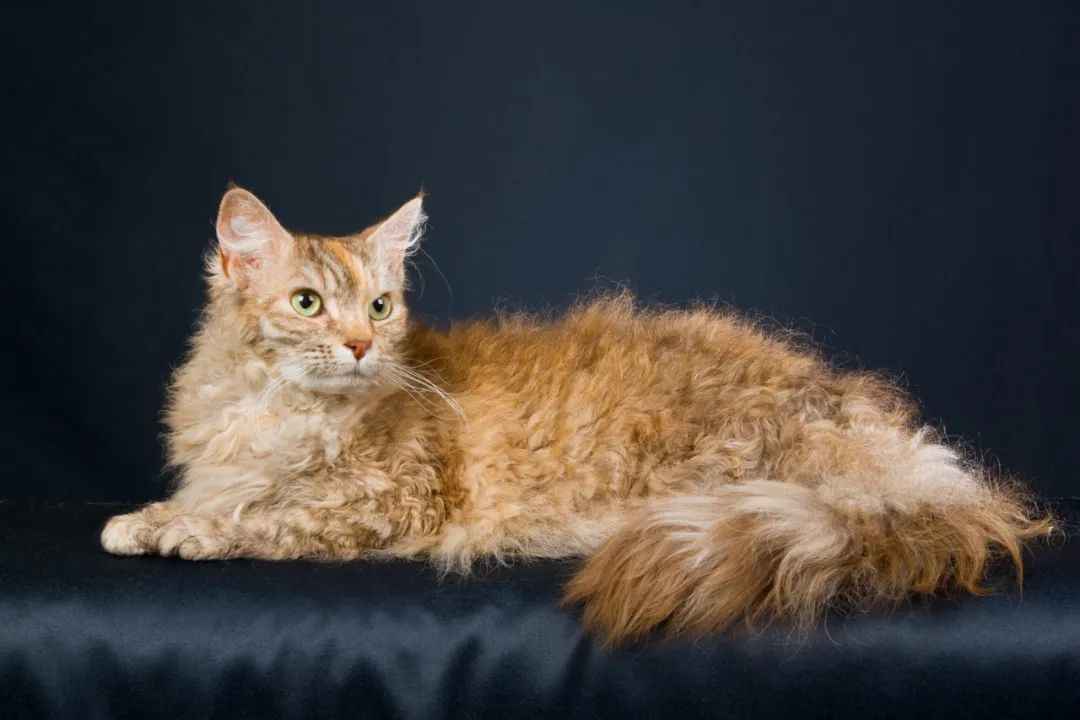
In 1982, a bald kitten with an unusual genetic mutation emerged in a barn on an Oregon cherry farm, marking the accidental birth of one of the world’s most distinctive feline breeds—the LaPerm. This curly-coated wonder, named for its "wavy" or "rippled" fur, has since captivated cat lovers globally with its unique appearance and playful personality .

Origins and Physical Marvels

The breed’s story began when farm cat Speedy gave birth to a hairless female kitten who, within eight weeks, developed a soft, curly coat. Breeders Linda and Richard Koehl, alongside geneticist Solvieg Pfleuger, dedicated years to stabilizing the mutation. By 1997, the LaPerm Society of America was established, and the breed earned Championship status from the Cat Fanciers’ Association in 2008 .


LaPerms defy conventional feline aesthetics. Their coats, ranging from tight ringlets to loose waves, come in both short and long varieties, with colors spanning all natural feline hues. Notably, some kittens are born bald and undergo multiple coat cycles, growing and shedding fur throughout their lives . Their muscular build, triangular heads, and expressive almond-shaped eyes add to their exotic allure.

Personality and Compatibility

Beyond their striking looks, LaPerms are celebrated for their spirited personalities. Described as "curious scientists of the cat world," they thrive on mental stimulation, mastering tricks and enjoying puzzle toys . Unlike typical lap cats, they prefer interactive play and even fetch games, making them ideal companions for active households. Their affectionate nature extends to children, dogs, and other pets, earning them a reputation as social butterflies .

Care and Health Considerations

Despite their glamorous curls, LaPerms are surprisingly low-maintenance. Their non-matting coats require gentle weekly combing to preserve texture, and occasional baths (without blow-drying) keep them fresh . Nutritionally, they benefit from high-quality diets to prevent obesity, a common concern due to their playful appetites. While generally robust, they may face skin allergies or dental issues, necessitating regular veterinary check-ups .

Global Appeal and Cultural Significance

Today, LaPerms are cherished from Canada to Japan, with breeders honoring their Oregon roots by naming kittens after Native American tribes . Their journey from a rural barn to international recognition highlights the magic of genetic diversity and human dedication. Whether chasing laser pointers or curling up for a cuddle, these curly charmers continue to redefine feline elegance and companionship.


As Dr. Sarah Johnson, a feline behaviorist, notes: "LaPerms blend intelligence with warmth, making them not just pets but engaging partners in daily life." For those seeking a cat that’s equal parts mystery and mischief, the LaPerm is a purrfect choice.

Latest Stories
Feline News2 minute readOriginating from the northwestern United States, the Pixiebob Longhair has captivated cat enthusiasts worldwide with its striking resemblance to the wild bobcat and its loyal, affectionate nature. As the long-haired variant of the Pixiebob breed, this "native new breed"—recognized by The International Cat Association (TICA)—boasts a robust physique, luxurious silky coat, and a uniquely bobbed tail, earning accolades in international cat shows.
Animal Information1 minute readOriginating in Hungary, the Komondor is a muscular large breed renowned as a fearless guardian. Historically tasked with protecting herds from wolves, this agile canine now serves as a devoted family guard dog, blending loyalty with a distinctive appearance that earned it a quirky nickname.
Feline News2 minute readThe Turkish Angora, a breed steeped in history and elegance, has captivated hearts for centuries with its striking appearance and regal demeanor. Originating from Ankara, Turkey (formerly Angora), this ancient longhair breed is believed to be the ancestor of many modern longhaired cats. Once on the brink of extinction, it was saved by dedicated conservation efforts, including a 1930s breeding program initiated by the Turkish government, which focused on preserving the iconic white-coated variety. Today, it stands as a national treasure, celebrated for its beauty and cultural significance.
Animal Information1 minute readThe humphead wrasse (Cheilinus undulatus), a majestic marine species, remains listed as endangered, facing ongoing threats to its survival in global oceans. Renowned for its impressive size, adult individuals can reach a staggering weight of 180 kilograms, making it one of the largest reef-dwelling fish in the world.
Feline News1 minute readThe Balinese cat, also known as the Bali cat or Java cat, is a charming medium - sized long - haired cat. It originated in the United States and is a long - haired mutant of the Siamese cat. It is named the Balinese cat because its movements are 酷似 those of the native Balinese dancers.
Animal Information1 minute readThe global population of Bengal tigers currently stands at approximately 24,000, but a closer look at the figures reveals a worrying reality: only around 3,200 of these majestic creatures live in their natural wild habitats, while nearly 20,000 are in captivity. This stark contrast becomes even more alarming when compared to historical records.
Animal Information1 minute readThe Atossa fritillary (Speyeria adiaste atossa), a butterfly once common in Southern California’s mountain regions, is feared extinct, with no confirmed sightings since 1959. Characterized by its broad wings decorated with elegant black spots, the species once thrived across the area’s rugged landscapes.