Animal Kingdom


1 minute read

The Thorny Devil: Australia’s Armor-Plated Lizard with a Unique Survival Strategy

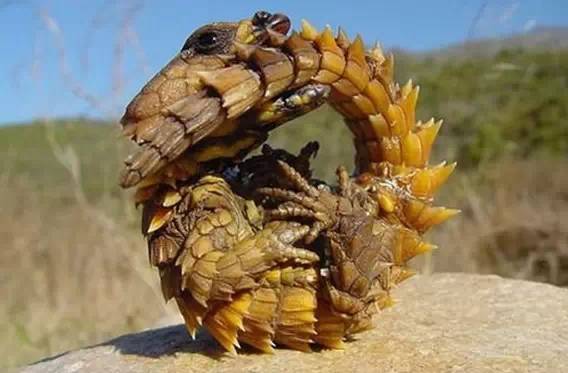
Native to the arid deserts of central and western Australia, the thorny devil (Moloch horridus), also known as the moloch or thorny dragon, is a reptile like no other. Covered in spiky protrusions and adapted to survive in harsh desert conditions, this small lizard has evolved extraordinary features to thrive in one of the world’s most unforgiving environments.
The Thorny Devil: Australia’s Armor-Plated Lizard with a Unique Survival Strategy
1 minute read

Critically Endangered: The Urgent Crisis Facing the Sunda Pangolin

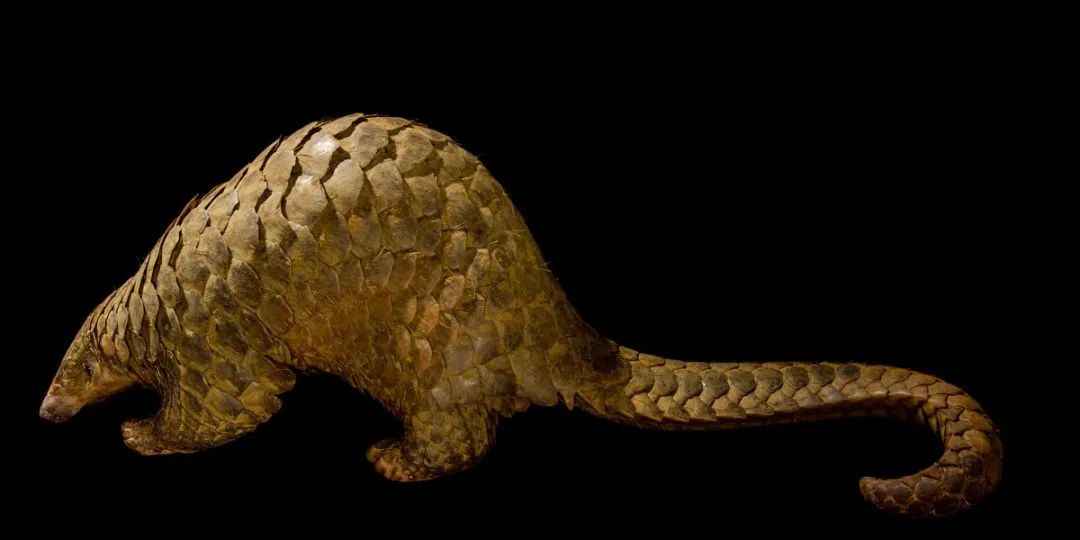
The Sunda pangolin (Manis javanica), a unique scaly mammal native to Southeast Asia, stands at the brink of extinction, classified as "Critically Endangered" by the International Union for Conservation of Nature (IUCN). Among the world’s eight pangolin species, it is widely regarded as the most imperiled, with its survival hanging in the balance due to relentless human activities.
Critically Endangered: The Urgent Crisis Facing the Sunda Pangolin
1 minute read

The Atossa Fritillary: A Lost Gem of Southern California’s Mountains, Last Sighted in 1959

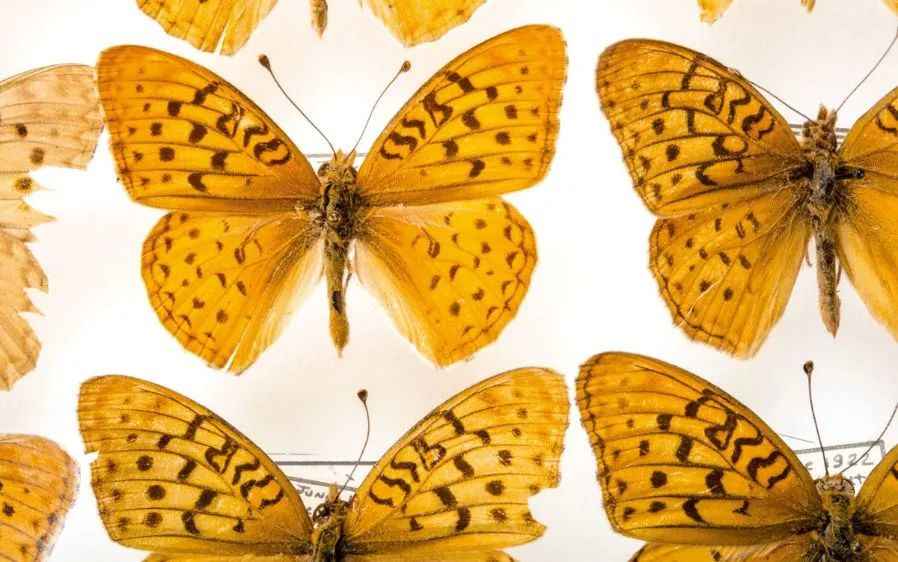
The Atossa fritillary (Speyeria adiaste atossa), a butterfly once common in Southern California’s mountain regions, is feared extinct, with no confirmed sightings since 1959. Characterized by its broad wings decorated with elegant black spots, the species once thrived across the area’s rugged landscapes.
The Atossa Fritillary: A Lost Gem of Southern California’s Mountains, Last Sighted in 1959
1 minute read

The Albino Lion: Rare Genetic Marvel and Cultural Icon of the Savanna

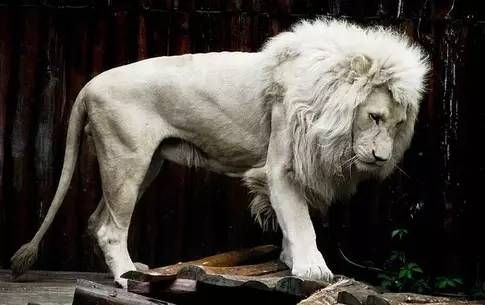
Albino lions, though often mistaken for white lions, are a distinct genetic rarity characterized by complete lack of melanin, resulting in pure white fur, pink skin, and pale blue or red eyes. Unlike white lions (which have a recessive color gene), albinism in lions is caused by a mutation in the TYR gene, inhibiting tyrosinase production—a enzyme crucial for pigment formation. These majestic creatures have captivated humanity for centuries, blending scientific curiosity with cultural mystique.
The Albino Lion: Rare Genetic Marvel and Cultural Icon of the Savanna
2 minute read

The Ghost of the Himalayas: Unveiling the World's Most Enigmatic Big Cat

The snow leopard, known as the "ghost of the mountains," ranks among the world's most elusive big cats. Inhabiting the Himalayan range and high-altitude regions of Central Asia, they dwell at elevations between 3,000 and 5,500 meters. The extreme cold, rugged terrain, and remote location create a natural geographical barrier, keeping them largely isolated from human contact.
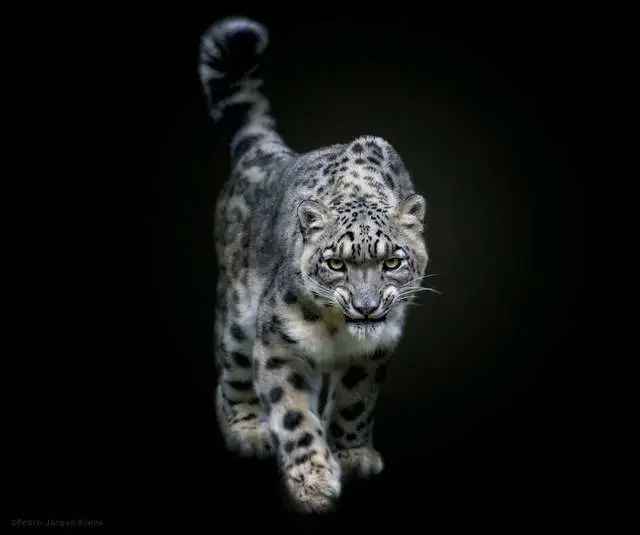
The Ghost of the Himalayas: Unveiling the World's Most Enigmatic Big Cat
1 minute read

Toyger: The Feline Breed That Channels the Spirit of Tigers

In the realm of domestic cats, one breed stands out for its striking resemblance to the wild tiger—the Toyger. Bred to capture the essence of its majestic big cat cousin in a compact, household-friendly form, this unique feline has been turning heads among pet enthusiasts worldwide.
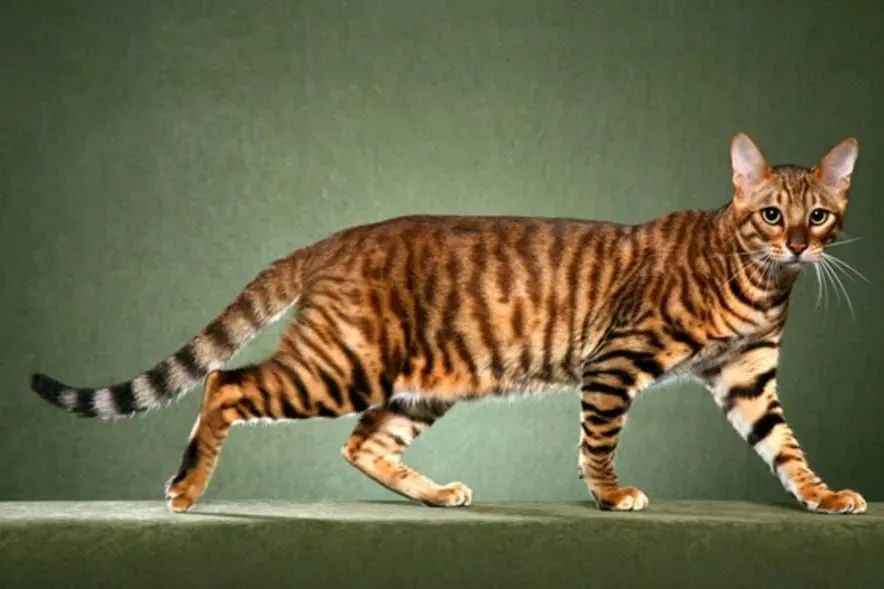
Toyger: The Feline Breed That Channels the Spirit of Tigers
2 minute read

The World’s Tiniest Deer: Pudu, a Pocket-Sized Marvel of the Andes

Holding the title of Earth’s smallest deer, the pudu (Pudu pudu and Pudu mephistophiles) enchants biologists with its miniature stature—standing just 30 to 40 centimeters tall as an adult. Native to the Andean forests of Chile and Argentina, this deer species defies expectations with its rabbit-like size, short tail, and endearing appearance, thriving in dense undergrowth where larger ungulates cannot venture.
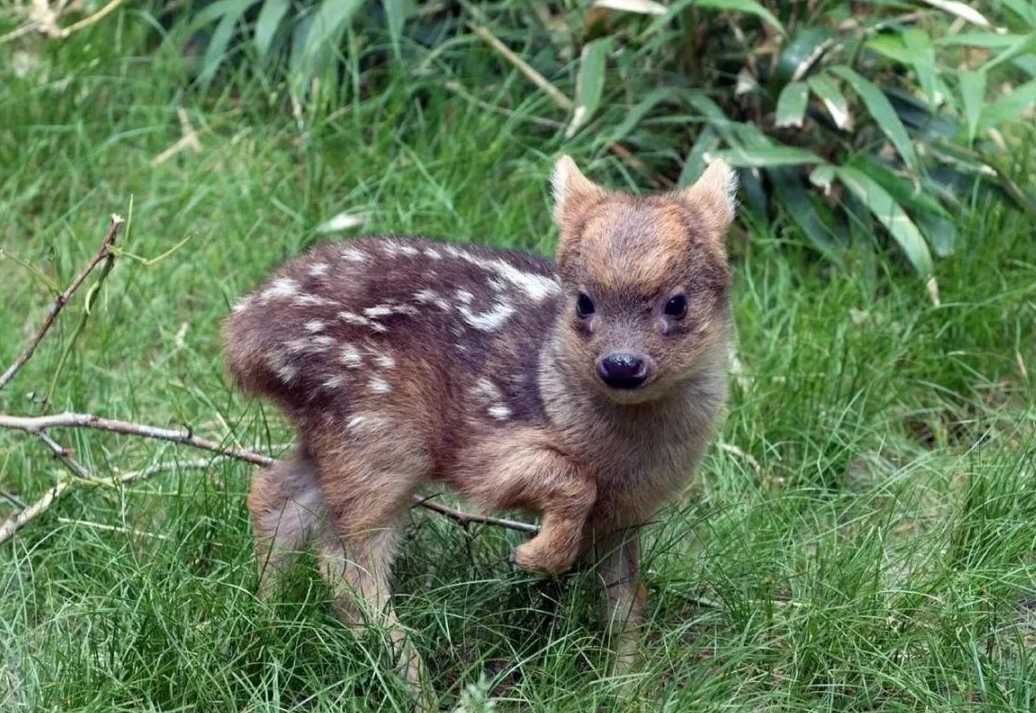
The World’s Tiniest Deer: Pudu, a Pocket-Sized Marvel of the Andes

Latest Stories
Feline News2 minute readOriginating from the northwestern United States, the Pixiebob Longhair has captivated cat enthusiasts worldwide with its striking resemblance to the wild bobcat and its loyal, affectionate nature. As the long-haired variant of the Pixiebob breed, this "native new breed"—recognized by The International Cat Association (TICA)—boasts a robust physique, luxurious silky coat, and a uniquely bobbed tail, earning accolades in international cat shows.
Animal Information1 minute readOriginating in Hungary, the Komondor is a muscular large breed renowned as a fearless guardian. Historically tasked with protecting herds from wolves, this agile canine now serves as a devoted family guard dog, blending loyalty with a distinctive appearance that earned it a quirky nickname.
Feline News2 minute readThe Turkish Angora, a breed steeped in history and elegance, has captivated hearts for centuries with its striking appearance and regal demeanor. Originating from Ankara, Turkey (formerly Angora), this ancient longhair breed is believed to be the ancestor of many modern longhaired cats. Once on the brink of extinction, it was saved by dedicated conservation efforts, including a 1930s breeding program initiated by the Turkish government, which focused on preserving the iconic white-coated variety. Today, it stands as a national treasure, celebrated for its beauty and cultural significance.
Animal Information1 minute readThe humphead wrasse (Cheilinus undulatus), a majestic marine species, remains listed as endangered, facing ongoing threats to its survival in global oceans. Renowned for its impressive size, adult individuals can reach a staggering weight of 180 kilograms, making it one of the largest reef-dwelling fish in the world.
Feline News1 minute readThe Balinese cat, also known as the Bali cat or Java cat, is a charming medium - sized long - haired cat. It originated in the United States and is a long - haired mutant of the Siamese cat. It is named the Balinese cat because its movements are 酷似 those of the native Balinese dancers.
Animal Information1 minute readThe global population of Bengal tigers currently stands at approximately 24,000, but a closer look at the figures reveals a worrying reality: only around 3,200 of these majestic creatures live in their natural wild habitats, while nearly 20,000 are in captivity. This stark contrast becomes even more alarming when compared to historical records.
Animal Information1 minute readThe Atossa fritillary (Speyeria adiaste atossa), a butterfly once common in Southern California’s mountain regions, is feared extinct, with no confirmed sightings since 1959. Characterized by its broad wings decorated with elegant black spots, the species once thrived across the area’s rugged landscapes.