The Pistol Shrimp: Nature’s Underwater Sonic Boom Specialist


Animal Information
The Pistol Shrimp: Nature’s Underwater Sonic Boom Specialist

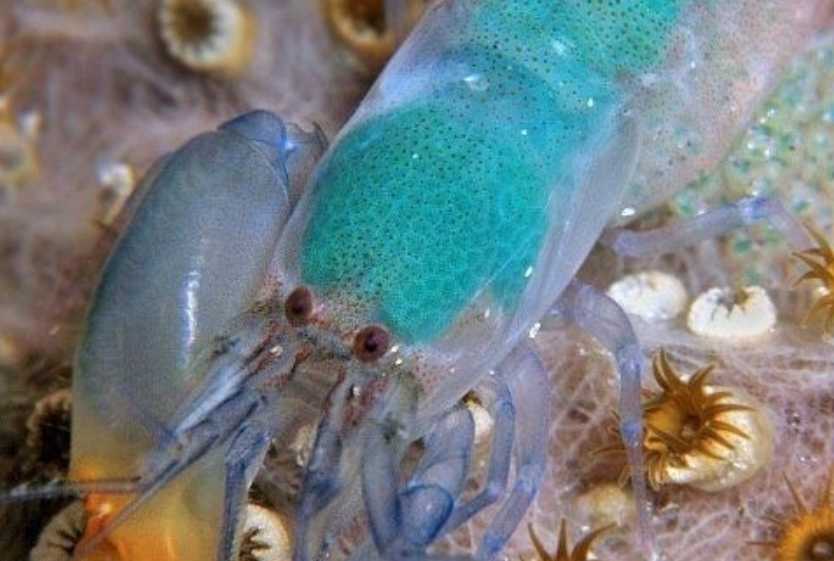
The pistol shrimp, also known as the "snapping shrimp," is a fascinating crustacean renowned for its ability to create a powerful sonic boom using a specialized claw. Found in tropical and subtropical marine environments worldwide, this small but mighty creature has evolved one of nature’s most remarkable acoustic weapons.

The Claw That Shoots Water Bullets

The pistol shrimp’s defining feature is its oversized, asymmetrical claw, which can grow up to half the length of its body. This claw functions like a piston:


  • A hinged "dactyl" (finger) slides into a socket, building up pressure. When released, it fires a high-velocity jet of water, creating a cavitation bubble.
  • The collapsing bubble generates a shockwave reaching 210 decibels—louder than a gunshot—capable of stunning prey, breaking glass, or even interfering with sonar equipment.
  • The process happens in just 3 milliseconds, with the bubble’s interior briefly reaching temperatures near 4,700°C (similar to the sun’s surface), though this is short-lived.

Lifestyle and Symbiotic Relationships

Pistol shrimp typically live in burrows on the ocean floor, often in partnership with goby fish. The goby acts as a lookout, warning the shrimp of approaching predators, while the shrimp maintains the burrow. These social shrimp are also known for their:


  • Diet: Feeding on small fish, crustaceans, and organic matter stunned by their sonic blasts.
  • Communication: Using clicks and snaps not only for hunting but also to communicate with colony members in species like Synalpheus.
  • Regeneration: If the pistol claw is lost, it can regrow as a smaller, functional claw, while the other claw may evolve into a new pistol claw.

Ecological and Scientific Significance

In marine ecosystems, pistol shrimp play a role in aerating sediments and controlling prey populations. Their unique ability has inspired researchers in:


  • Sonar and Underwater Acoustics: Studying how they minimize self-damage from their own blasts.
  • Cavitation Research: Insights into bubble dynamics for medical technologies or underwater propulsion.
    While not endangered, they face threats from coastal pollution and habitat destruction. Their incredible adaptation serves as a reminder of the ocean’s hidden wonders—proof that even tiny creatures can wield extraordinary power in the world’s waters.
Latest Stories
Feline News2 minute readOriginating from the northwestern United States, the Pixiebob Longhair has captivated cat enthusiasts worldwide with its striking resemblance to the wild bobcat and its loyal, affectionate nature. As the long-haired variant of the Pixiebob breed, this "native new breed"—recognized by The International Cat Association (TICA)—boasts a robust physique, luxurious silky coat, and a uniquely bobbed tail, earning accolades in international cat shows.
Animal Information1 minute readOriginating in Hungary, the Komondor is a muscular large breed renowned as a fearless guardian. Historically tasked with protecting herds from wolves, this agile canine now serves as a devoted family guard dog, blending loyalty with a distinctive appearance that earned it a quirky nickname.
Feline News2 minute readThe Turkish Angora, a breed steeped in history and elegance, has captivated hearts for centuries with its striking appearance and regal demeanor. Originating from Ankara, Turkey (formerly Angora), this ancient longhair breed is believed to be the ancestor of many modern longhaired cats. Once on the brink of extinction, it was saved by dedicated conservation efforts, including a 1930s breeding program initiated by the Turkish government, which focused on preserving the iconic white-coated variety. Today, it stands as a national treasure, celebrated for its beauty and cultural significance.
Animal Information1 minute readThe humphead wrasse (Cheilinus undulatus), a majestic marine species, remains listed as endangered, facing ongoing threats to its survival in global oceans. Renowned for its impressive size, adult individuals can reach a staggering weight of 180 kilograms, making it one of the largest reef-dwelling fish in the world.
Feline News1 minute readThe Balinese cat, also known as the Bali cat or Java cat, is a charming medium - sized long - haired cat. It originated in the United States and is a long - haired mutant of the Siamese cat. It is named the Balinese cat because its movements are 酷似 those of the native Balinese dancers.
Animal Information1 minute readThe global population of Bengal tigers currently stands at approximately 24,000, but a closer look at the figures reveals a worrying reality: only around 3,200 of these majestic creatures live in their natural wild habitats, while nearly 20,000 are in captivity. This stark contrast becomes even more alarming when compared to historical records.
Animal Information1 minute readThe Atossa fritillary (Speyeria adiaste atossa), a butterfly once common in Southern California’s mountain regions, is feared extinct, with no confirmed sightings since 1959. Characterized by its broad wings decorated with elegant black spots, the species once thrived across the area’s rugged landscapes.