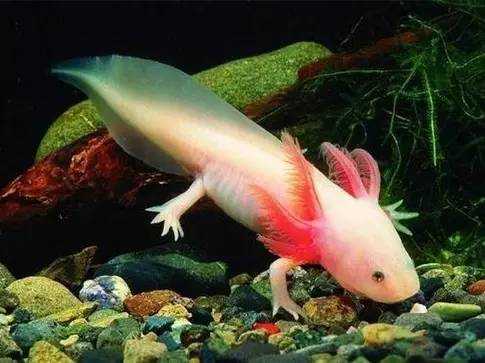
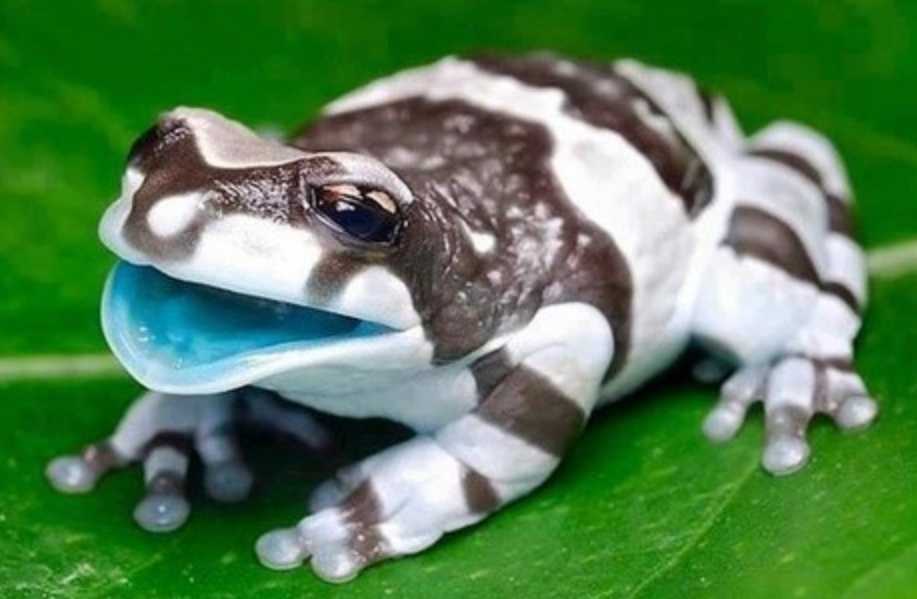
The Amazon Milk Tree Frog: Nature’s Vibrant Green Amphibian with a Milky Defense
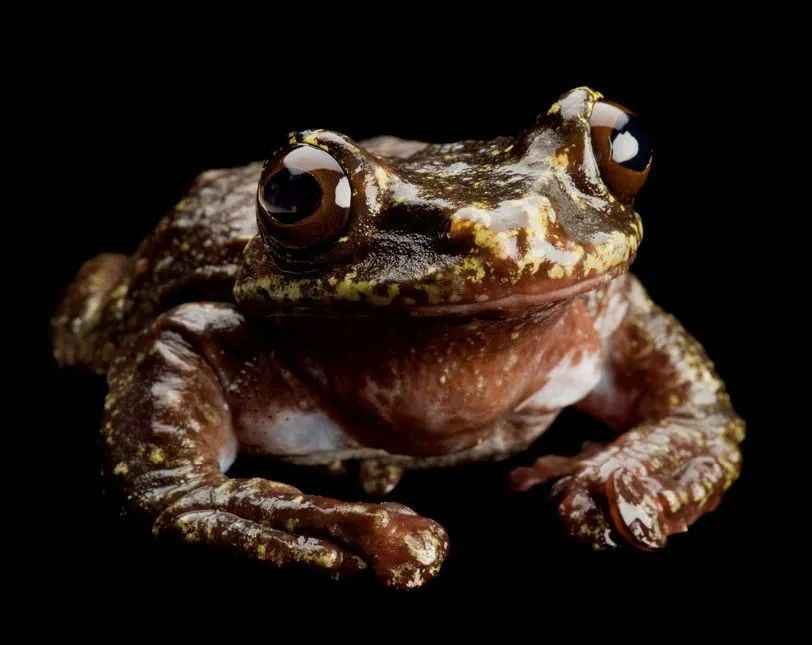
Native to the rainforests of northern South America, the Amazon milk tree frog (Trachycephalus resinifictrix) is a striking amphibian renowned for its vivid coloration and unique defensive adaptation. Found in the canopy of tropical forests from Venezuela to Brazil, this arboreal frog has captivated herpetologists with its bold appearance and the milky-white toxin it secretes when threatened.
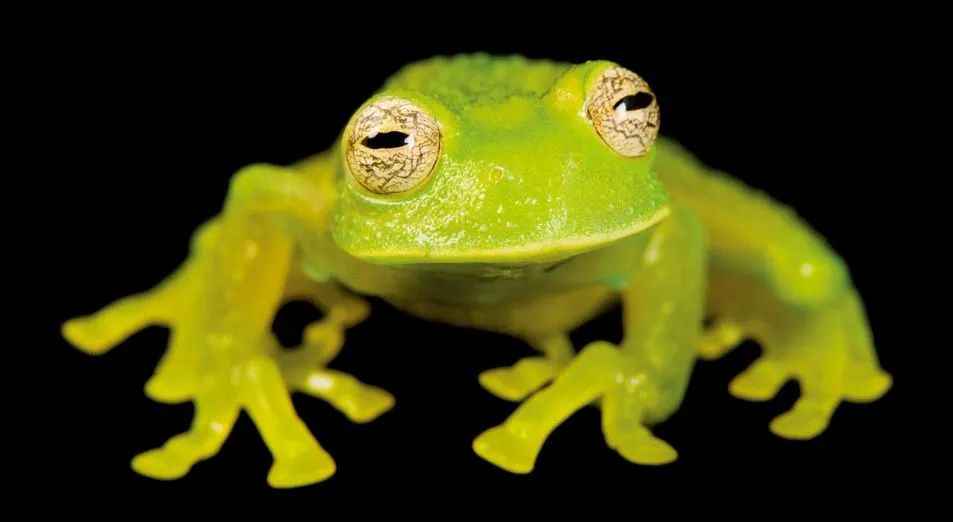
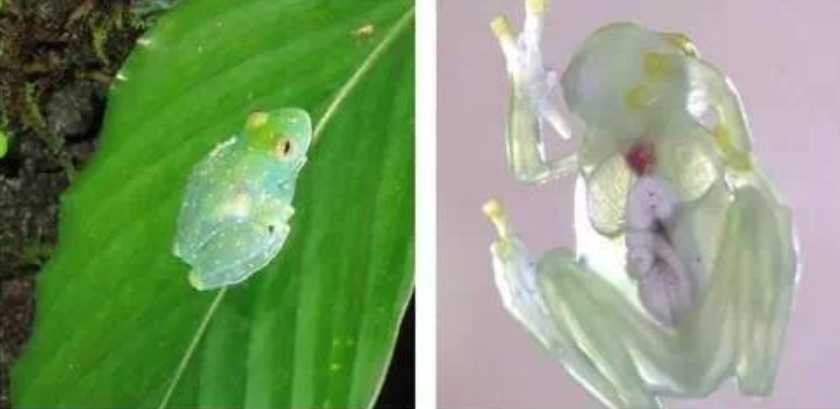
The Glass Frog: Nature’s Transparent Amphibian with a Window to Its Inner World
Native to the cloud forests of Central and South America, the glass frog (family Centrolenidae) is a remarkable amphibian celebrated for its most unique trait—transparent skin on its belly, allowing observers to see its beating heart, intestines, and even eggs. This evolutionary marvel has captivated biologists, offering a rare glimpse into the inner workings of a living animal.
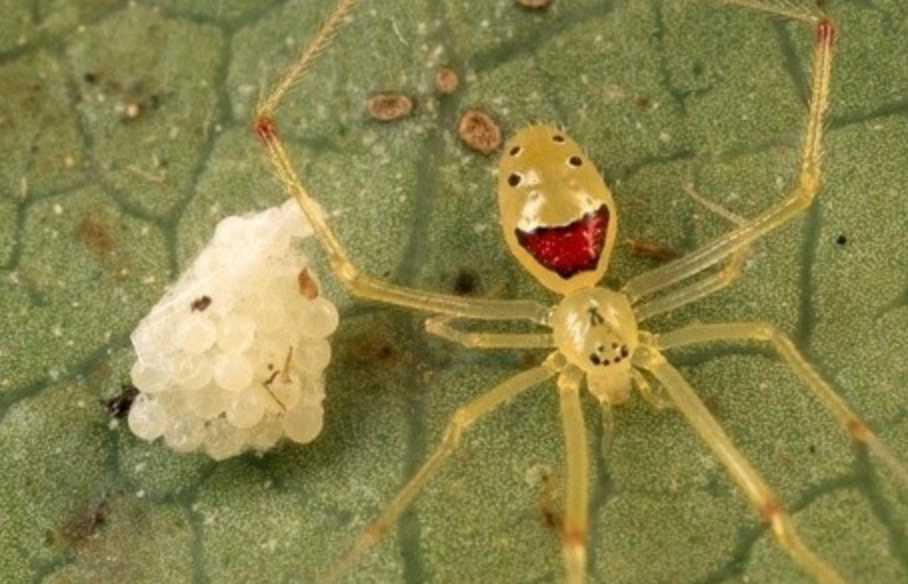
The Happy Face Spider: Hawaii’s Cryptic Arthropod with a Smiling Survival Strategy
Endemic to the rainforests of Hawaii, the happy face spider (Theridion grallator) is a tiny arachnid celebrated for its most whimsical trait—a ventral abdomen marked with patterns resembling a smiling face. Discovered in the 19th century, this cryptic spider has captivated entomologists with its unique coloration and the evolutionary mystery behind its cheerful design.
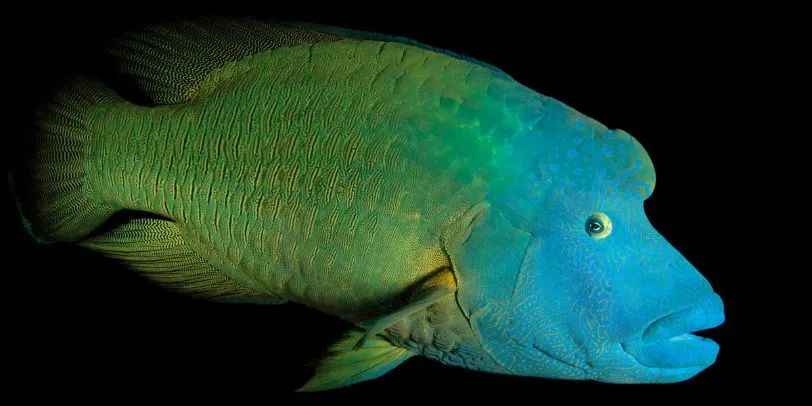
Giant Wrasse: Endangered Icon of Marine Ecosystems
The humphead wrasse (Cheilinus undulatus), a majestic marine species, remains listed as endangered, facing ongoing threats to its survival in global oceans. Renowned for its impressive size, adult individuals can reach a staggering weight of 180 kilograms, making it one of the largest reef-dwelling fish in the world.
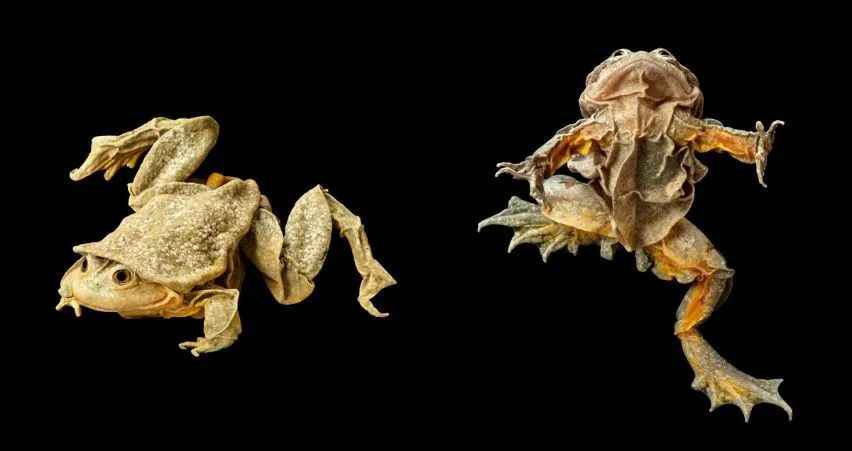
Andes' "Wrinkled Frog" Faces Extinction, Adapting to Thin Oxygen with Unique Skin
In the high-altitude waters of the Andes, a remarkable amphibian clings to survival against daunting odds. The Titicaca water frog (Telmatobius culeus), listed as critically endangered by conservation authorities, has evolved a striking adaptation to thrive in one of the harshest aquatic environments on Earth.
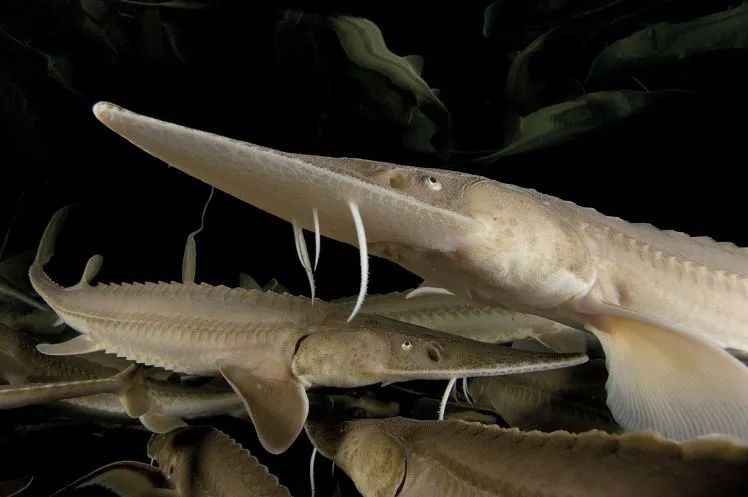
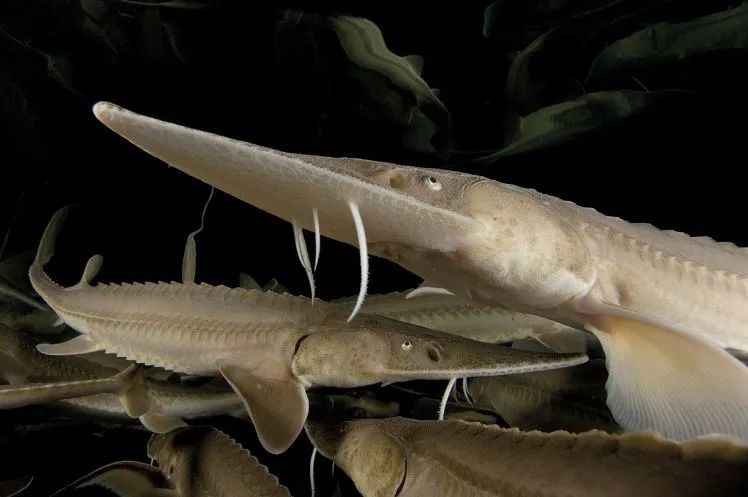
Ancient Survivor: Endangered Pallid Sturgeon, a Living Fossil from the Dinosaur Era
Beneath the waters of the Missouri River basin resides a creature that stands as a living testament to Earth's ancient past—the pallid sturgeon (Scaphirhynchus albus). Dubbed a "living fossil," this substantial fish traces its lineage back to the age of dinosaurs, persisting through tens of millions of years of geological shifts and biological evolution in these river systems.
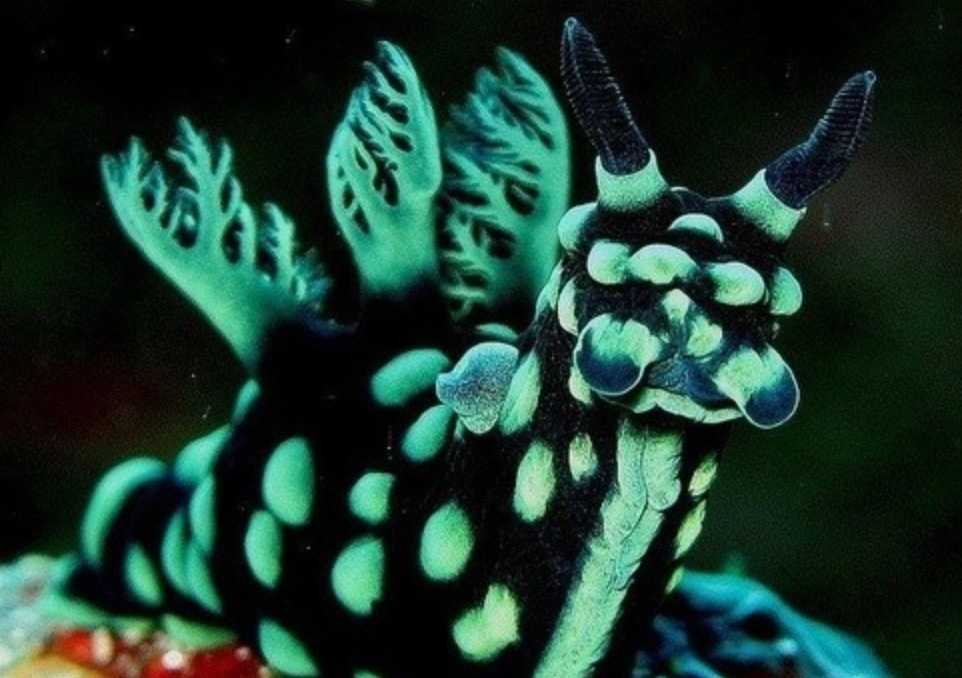
Glowing Green Sea Slug with Bioluminescent Defense Discovered in Tropical Reefs
A striking new species of sea slug, Nembrotha cristata, has been documented in the coral reefs of the Indian and western Pacific Oceans, captivating marine biologists with its vivid coloration and unique survival tactics. Measuring up to 50 millimeters, this nudibranch mollusk features a vibrant green body dotted with bioluminescent spots and a distinctive crest-like ridge along its back, earning it the nickname "crest-shaped sea slug" . Its most remarkable adaptation is the ability to store stinging cells (nematocysts) from its jellyfish prey
Endangered "Cactus Pigs" of the Desert: The Struggle of Chacoan Peccaries
In the arid deserts of South America, an endangered pig-like species known locally as "taguá" (Chacoan peccary, Catagonus wagneri) is fighting for survival. These remarkable creatures have adapted uniquely to thrive in harsh desert conditions, with their diet centered on spiky cacti—an unusual food source that few other animals can exploit.