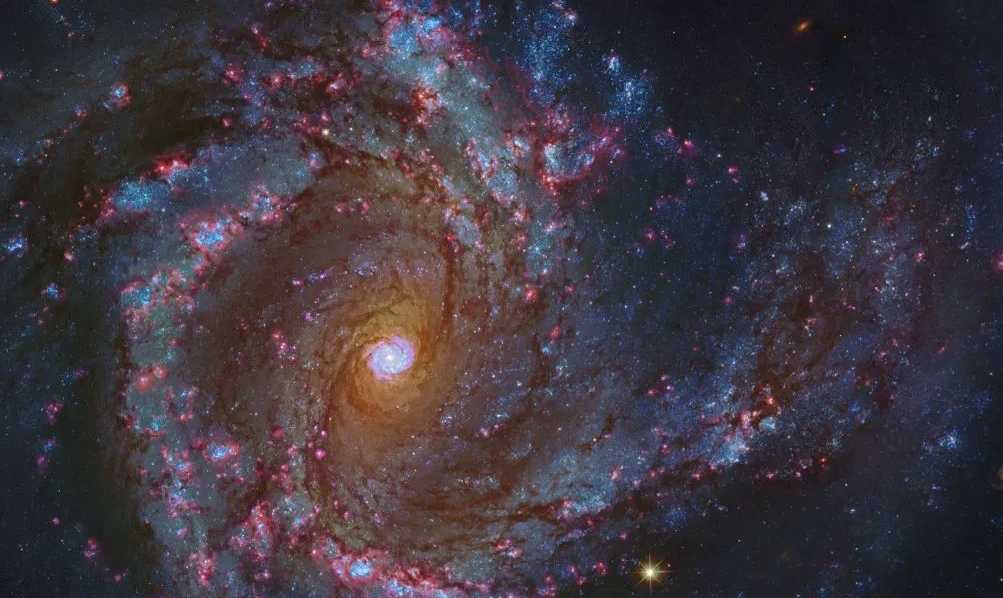

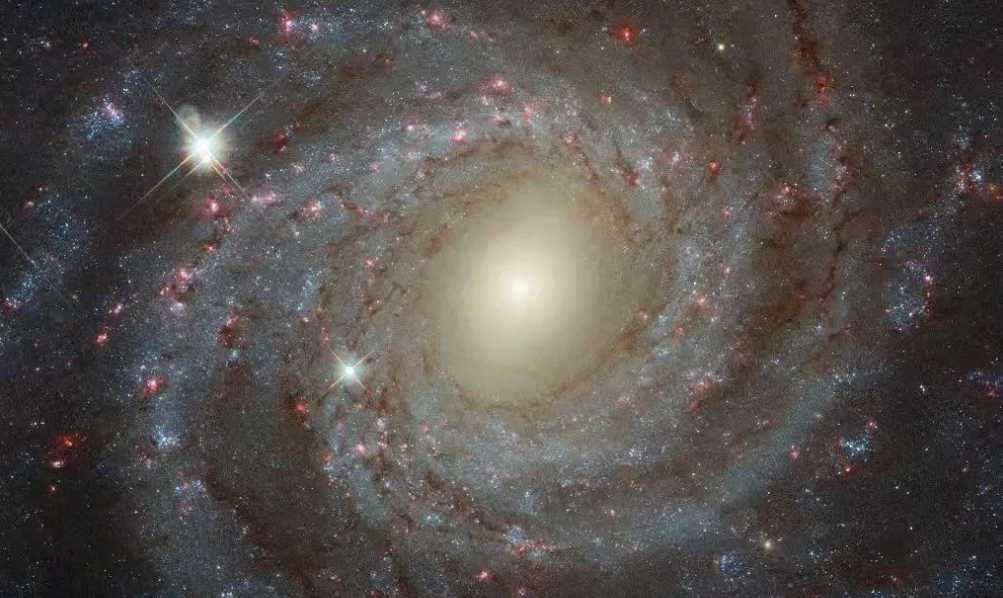
NGC 3344: A Face-On Spiral Galaxy Unveiled in Hubble’s Multispectral Glow
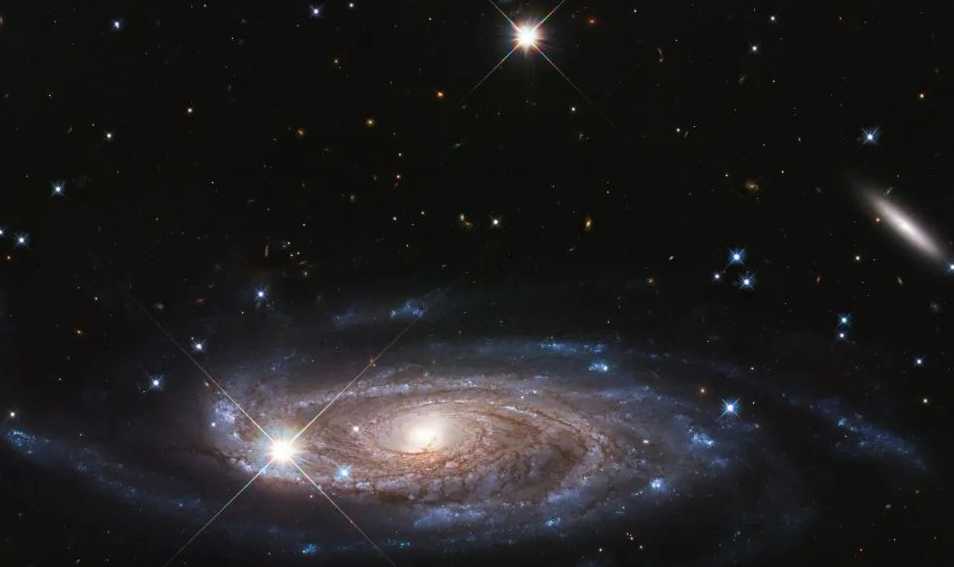
The grand spiral galaxy NGC 3344 presents its full face to Earth, a 40,000-light-year-wide cosmic pinwheel in Leo Minor just 20 million light-years away. This Hubble Space Telescope multispectral close-up—spanning ultraviolet to near-infrared wavelengths—reveals exquisite details across 15,000 light-years of its central region, laying bare the galaxy’s lifecycle in living color.
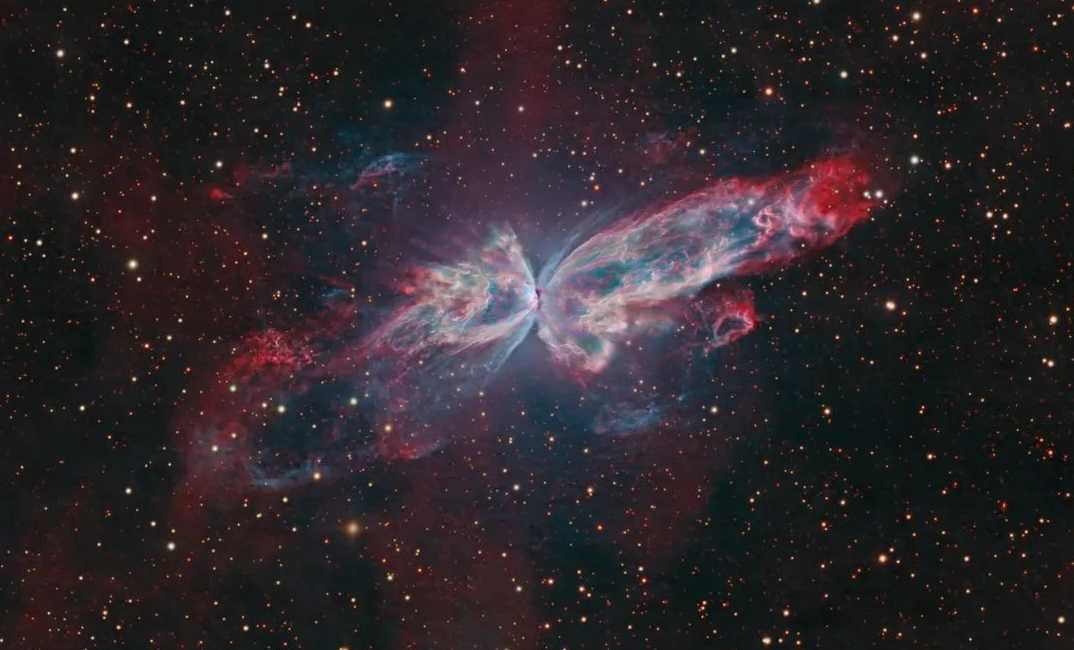
The Butterfly Nebula (NGC 6302): A Fiery Cosmic Chrysalis in Scorpius
NGC 6302, a planetary nebula nicknamed the "Butterfly Nebula," lives up to its floral-insect moniker with wing-like gas plumes spanning 3 light-years. Located 4,000 light-years away in Scorpius, this stellar corpse showcases the dramatic final act of a massive star—now a 250,000°C central star evolving into a white dwarf, its ultraviolet radiation ionizing the surrounding nebula into a kaleidoscopic display.
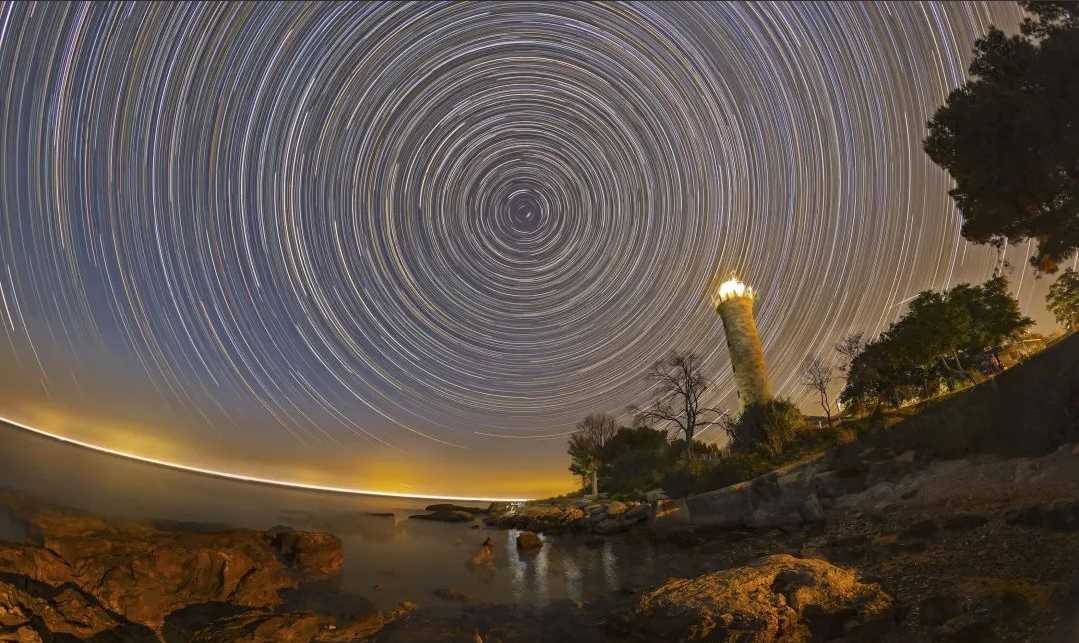
Savudrija Lighthouse and Celestial Star Trails: A Timeless Navigation Portrait
The historic Savudrija Lighthouse shines along the northern coast of Istria Peninsula in this masterful night-sky composition. Built in the early 19th century, the beacon has guided Adriatic sailors for centuries, its beam contrasting with the ancient navigational icon above: Polaris, the North Star. In the image, Alpha Ursae Minoris traces the shortest arc around the North Celestial Pole—the cosmic pivot of Earth’s axis—at the center of concentric star trails.
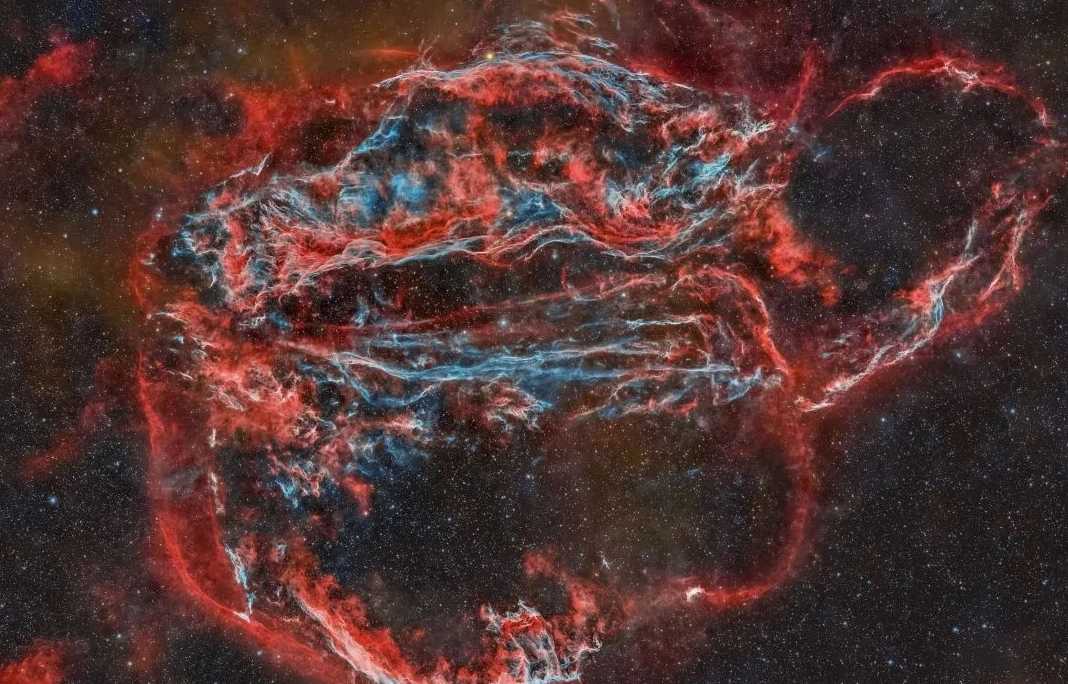
The Veil Nebula: Cosmic Relic of a Supernova That Lit the Ancient Sky
These ethereal wisps are the last observable remains of a star that perished in a supernova explosion ~7,000 years ago, giving birth to the Veil Nebula. When the star detonated, its expanding gas cloud shone as brightly as a crescent Moon, lingering in Earth’s sky for weeks during humanity’s prehistoric era. Today, this supernova remnant—known as the Cygnus Loop—has faded, visible only through small telescopes pointed at the constellation Cygnus.
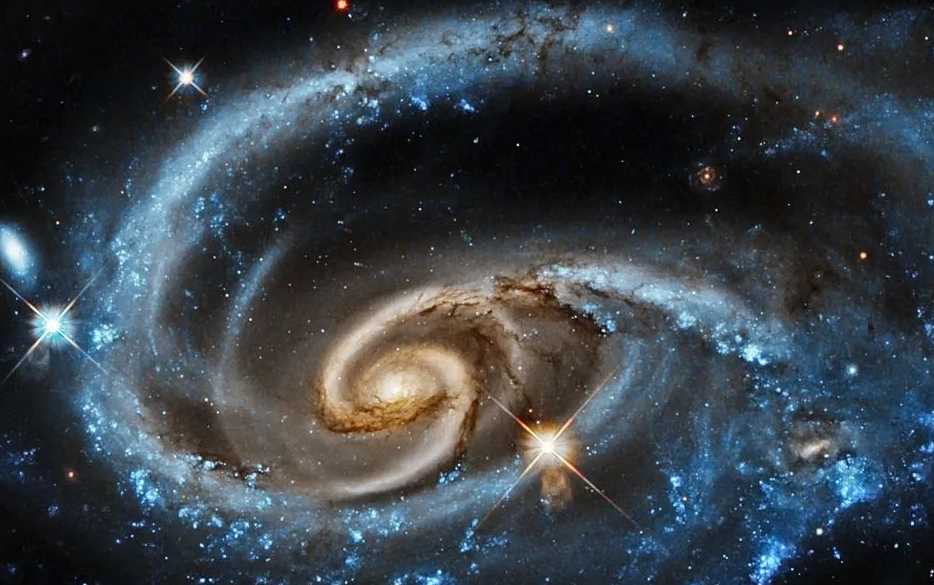
Arp 273: A Cosmic Love Story of Colliding Galaxies in Andromeda
What’s happening to this spiral galaxy? The answer lies in its violent tango with a neighboring dwarf galaxy. At the center of this image, UGC 1810 forms the Arp 273 galaxy pair with its collision partner, showcasing a cosmic drama where gravity reshapes stellar landscapes. The most striking feature—UGC 1810’s outer blue ring—betrays the chaos of their gravitational battle, while the smaller companion galaxy appears distorted in the embrace.
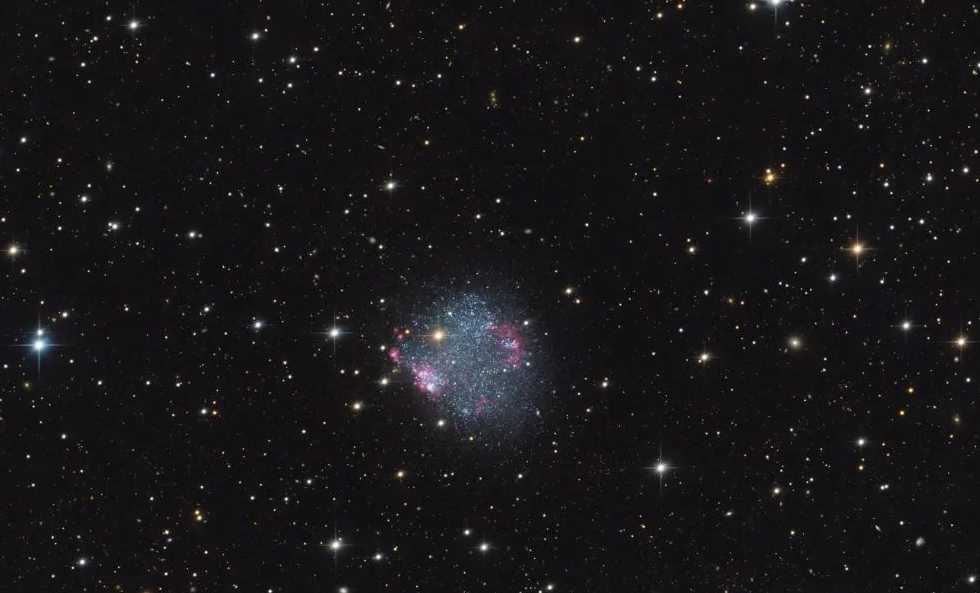
Sextans A: The Cosmic Underdog Where Stars Bloom in Ambery Clusters
While grand spiral galaxies steal the limelight with symmetric arms and glowing star nurseries, the irregular dwarf galaxy Sextans A weaves its own stellar saga in the cosmic periphery. Just 5,000 light-years across, this galaxy hosts young star clusters and star-forming regions like amber-like clumps suspended in space, blooming 4.5 million light-years away in the constellation Sextans. As a sentinel on the Local Group’s fringe, it stands distant from the galactic family including the Andromeda Galaxy and the Milky Way.
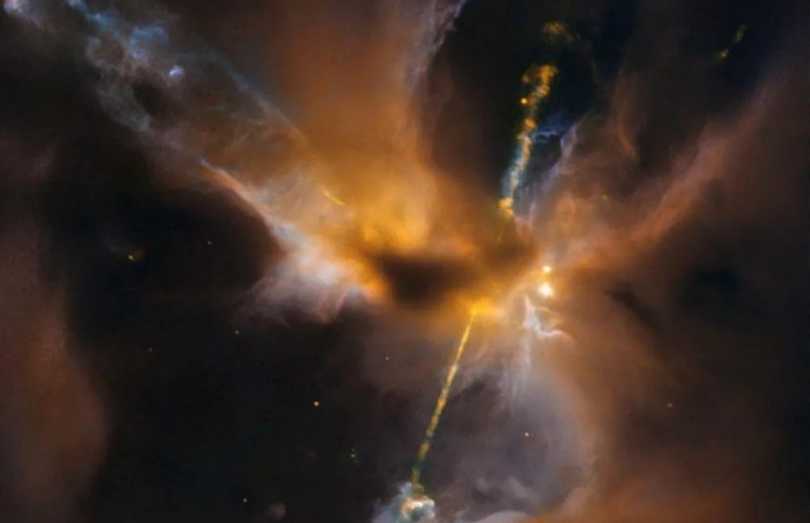
HH 24: The Cosmic 'Lightsaber' Jet from a Newborn Star in Orion
Resembling a double-bladed lightsaber, this stunning Hubble Space Telescope image captures Herbig-Haro 24 (HH 24)—a half-light-year-wide jet erupting from a newborn star in the Orion B molecular cloud complex, ~1,300 light-years (400 parsecs) from Earth. HH 24 exemplifies the violent beauty of star birth, where invisible forces carve luminous pathways through interstellar space.