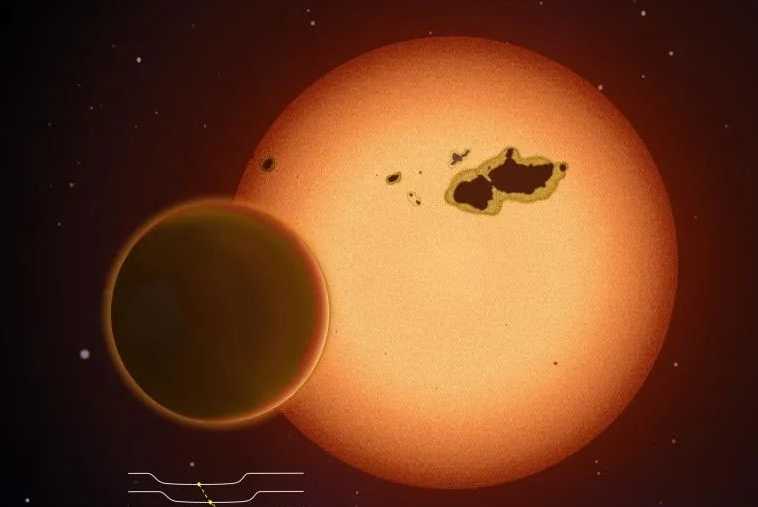
TRAPPIST-1e: High-Hope Exoplanet with 0.95 ESI Faces Tidal Lock Challenge
TRAPPIST-1e, boasting a 0.95 Earth Similarity Index (ESI), leads seven rocky planets in its system as the most likely to harbor life. But its closeness to the host star has tidally locked all planets, trapping one side in perpetual light and the other in darkness—leaving only a narrow twilight zone as a potential life haven.
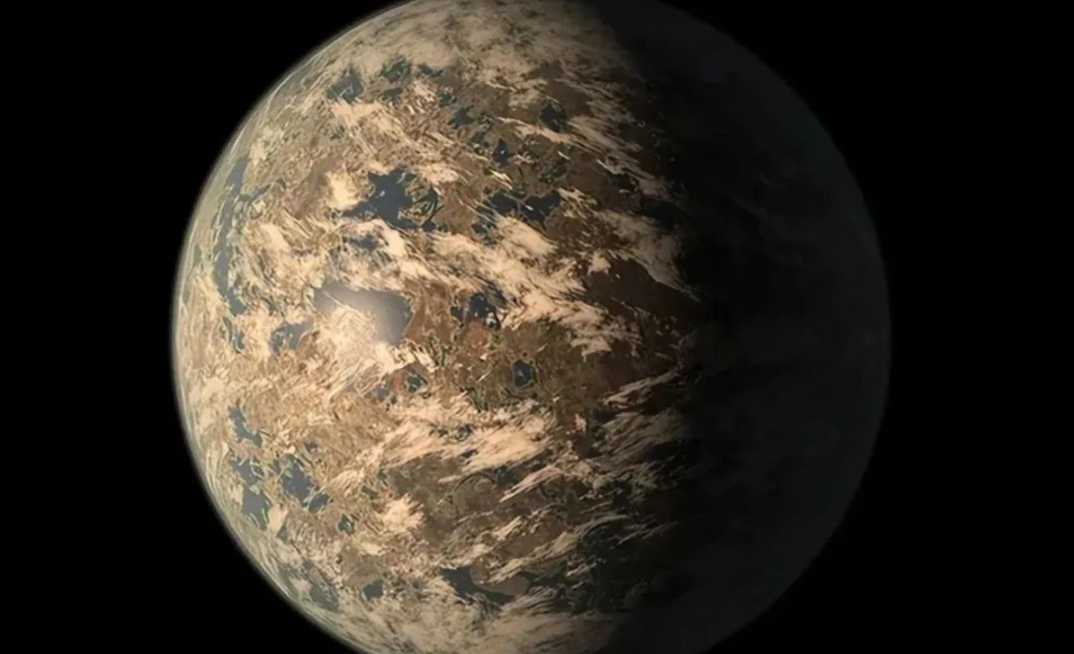
Ice Giants and Mini-Neptunes: The Solar System’s Elusive Planetary Enigmas
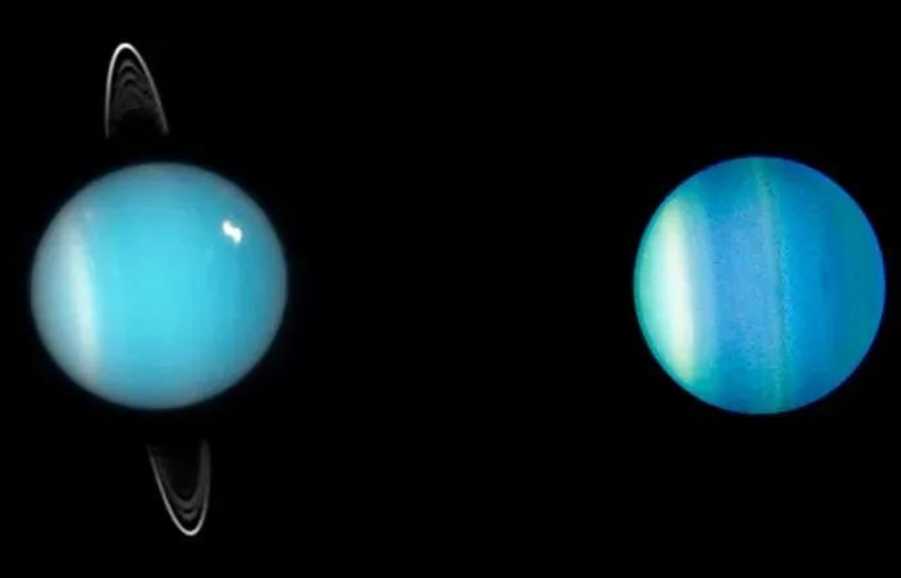
Ice giants like Uranus and Neptune, and smaller "mini-Neptunes" (larger than Earth but smaller than Neptune), represent a puzzling gap in our solar system knowledge. These worlds, with hydrogen-helium atmospheres and rocky cores, remain the least explored planetary class—despite comprising a dominant type in exoplanetary systems.
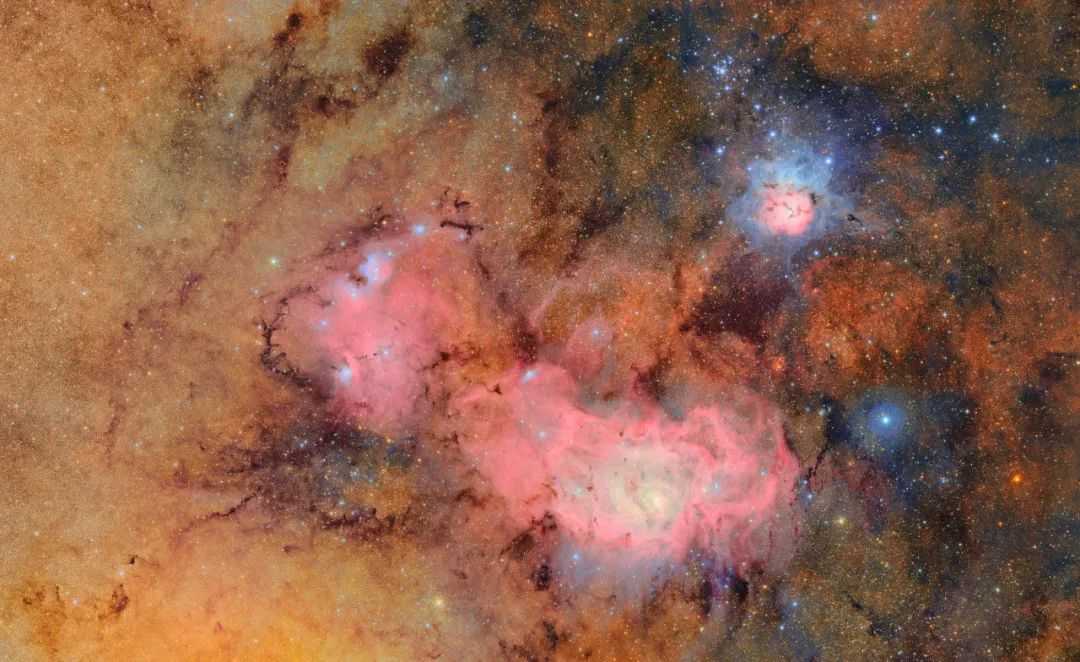
Stellar Nurseries and Cosmic Collisions: Webb and Rubin Telescopes Unveil Galactic Secrets
Astronomers have unveiled two groundbreaking images capturing the dynamic interplay of star formation and galaxy evolution. The first, a composite of the Trifid and Lagoon Nebulae, combines 678 individual exposures taken over just seven hours by the Vera C. Rubin Observatory’s 3.2-billion-pixel camera. This unprecedented resolution reveals intricate gas and dust structures in these stellar nurseries, where new stars are born from collapsing molecular clouds.
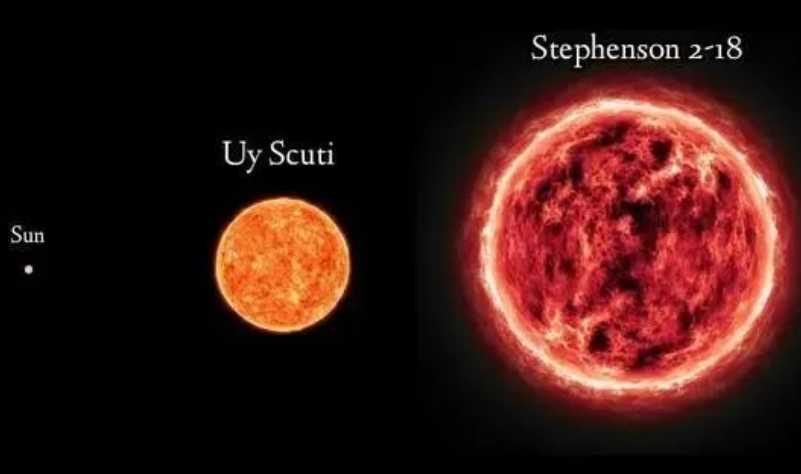
Stevenson 2-18: The Cosmic 'Puffball' Star That Could Swallow Saturn
Meet Stevenson 2-18, a star so colossal it’s earned the title of the universe’s "flabby giant." With a radius of 1.5 billion kilometers, this red supergiant would engulf Saturn if placed at the Sun’s position. Despite its eye-popping size, it packs only 15–20 times the Sun’s mass—making it a celestial "balloon" on the brink of a spectacular supernova explosion.
Segue 2: The 'Pitiful' Dwarf Galaxy Trapped in the Milky Way's Gravitational Grip
Segue 2, a diminutive galaxy spanning just 220 light-years and hosting fewer than 1,000 stars, stands in stark contrast to giants like IC 1101—making it appear as cosmic "stardust." Scientists suspect this tiny entity is an early-universe "relic," gravitationally bound to the Milky Way, forever stunted in its growth.
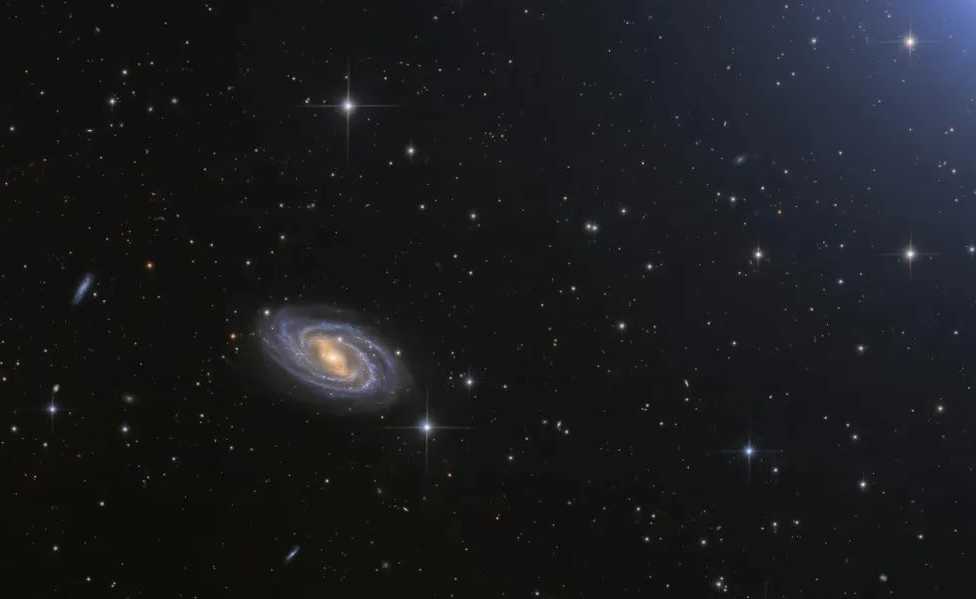
The Magnificent Barred Spiral M109: A Cosmic Masterpiece in Ursa Major
Nestled in the northern constellation Ursa Major beneath the Big Dipper’s handle, the barred spiral galaxy M109 (Messier 109) stands as the 109th entry in Charles Messier’s iconic catalog. Its prominent central bar gives it the shape of the Greek letter "θ," a mathematical symbol fitting for a galaxy that bends cosmic scales: though spanning just 7 arcminutes (0.12 degrees) in the night sky, this celestial wonder stretches 120,000 light-years across at its estimated 60-million-light-year distance.
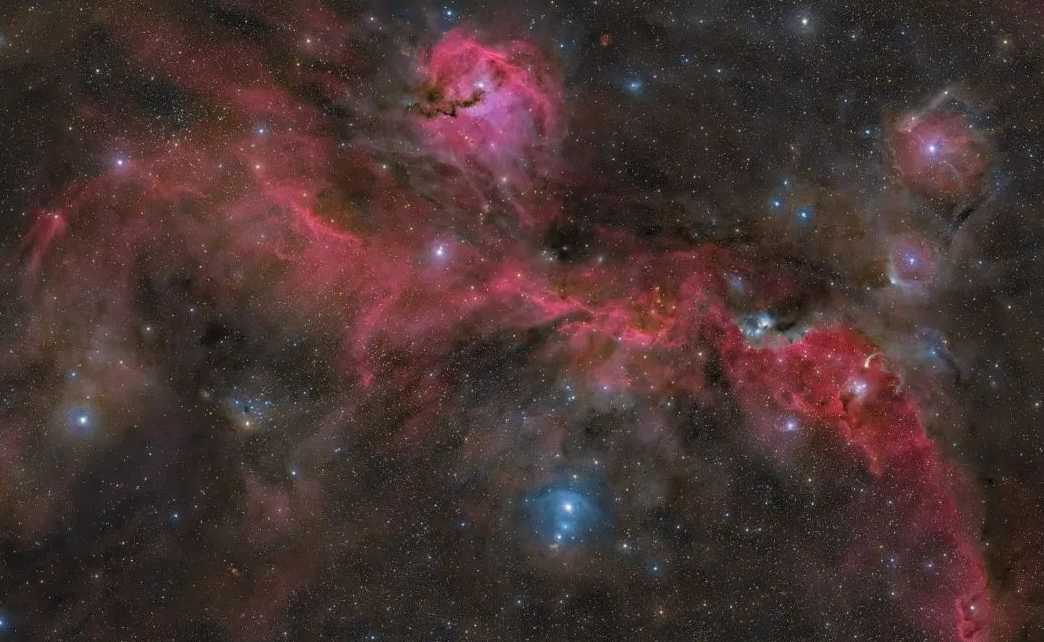
The Seagull Nebula: A Cosmic Avian Marvel in Canis Major
Shaped like a soaring bird from glowing gas and dark dust, the Seagull Nebula captivates stargazers with its celestial avian form. Spanning 3.5 degrees across the galactic plane in Canis Major, toward the star Sirius, this interstellar wonder combines emission nebulae, reflection nebulae, and dramatic shock structures—offering a window into violent stellar processes.