

The Starry Night Sky: A Glimpse into the Vast Diversity of Stars
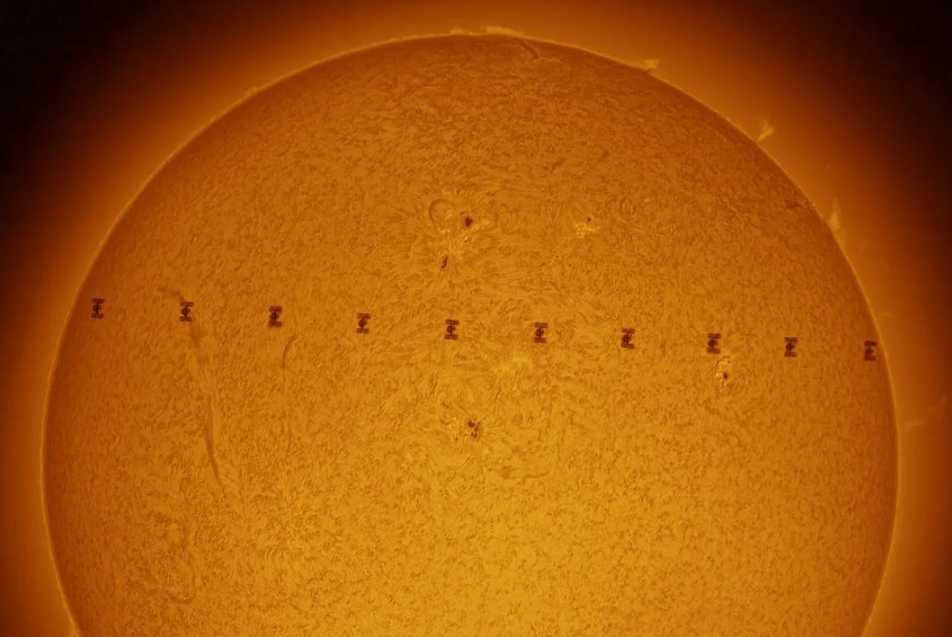
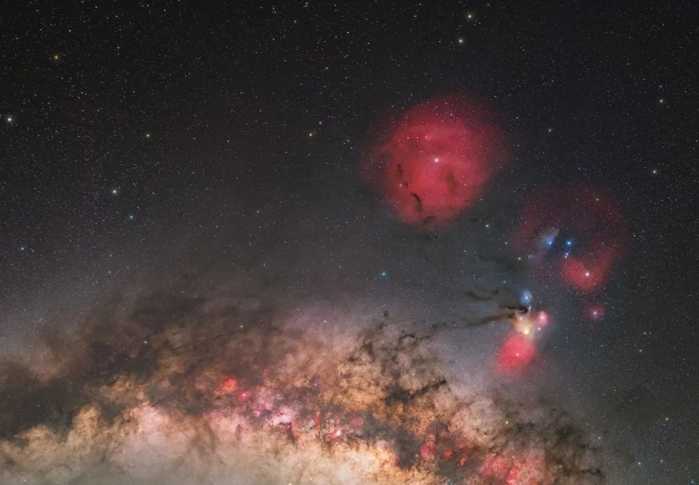
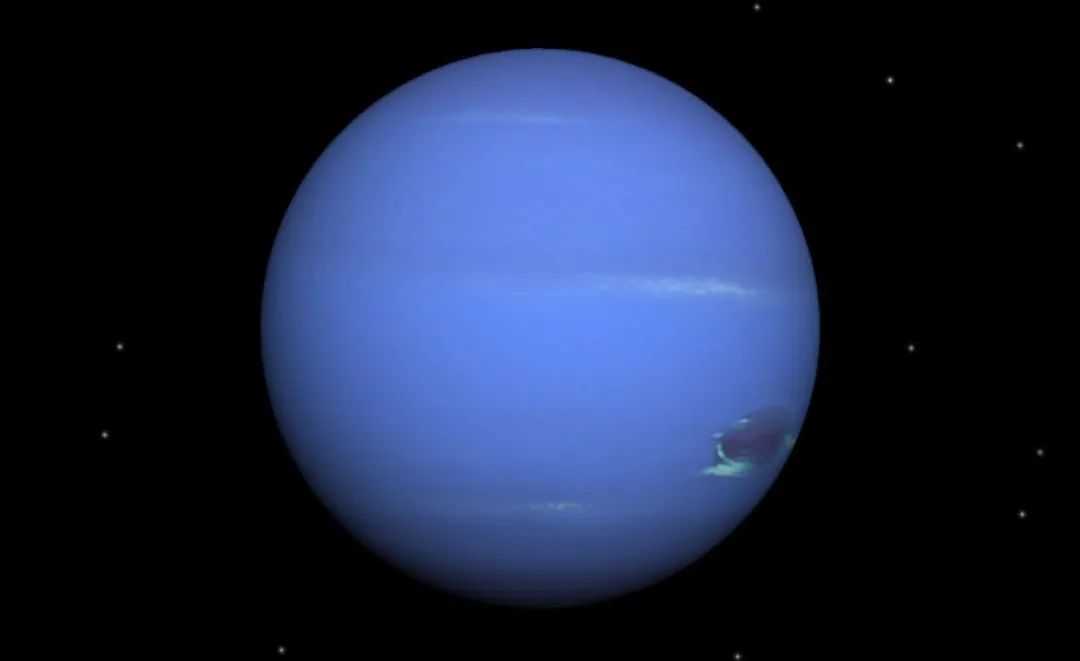
On clear nights, the sky is adorned with countless stars, most of which are celestial bodies that, like the Sun, generate their own light through nuclear fusion. Our Milky Way galaxy alone harbors hundreds of billions of stars, each varying dramatically in size, luminosity, mass, and density. These distant suns paint the cosmos with a spectrum of brightness and color, offering a window into the universe’s astonishing diversity.
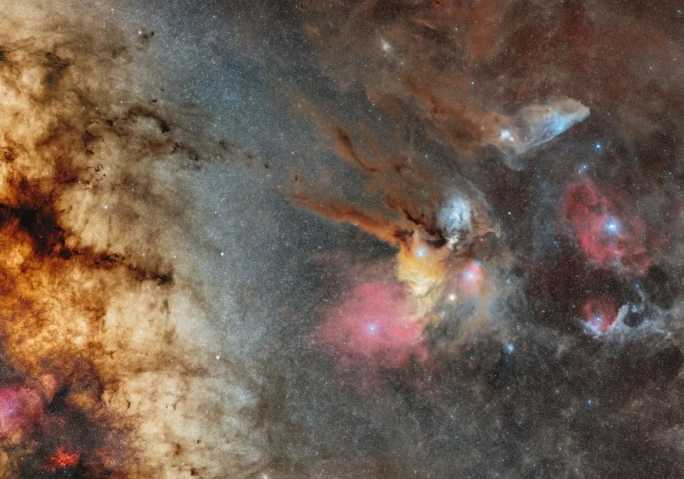
Nebulae: The Glowing Clouds of Star Formation and Stellar Remnants
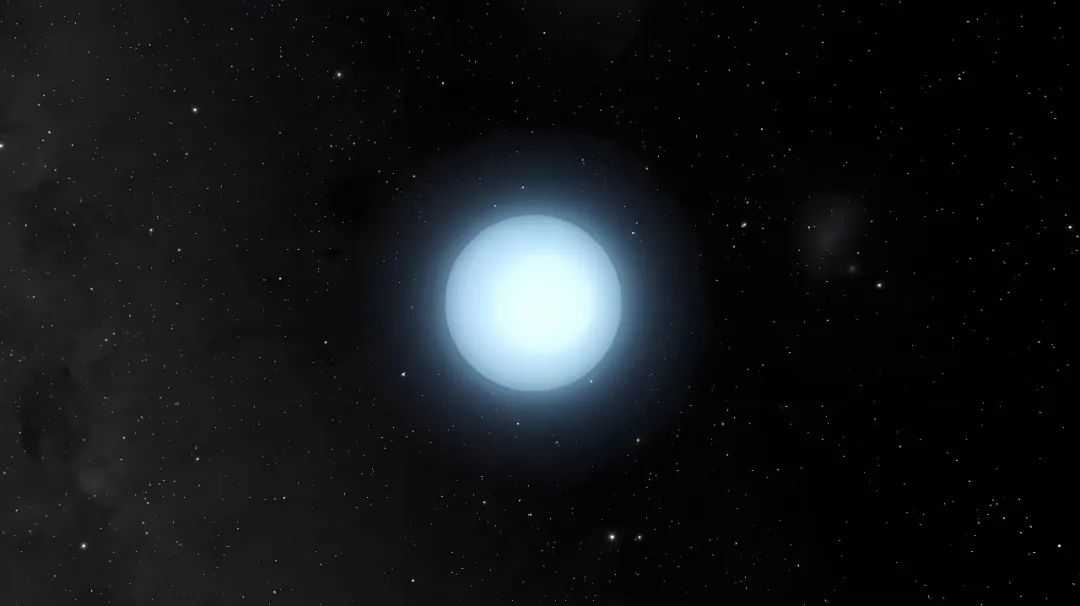
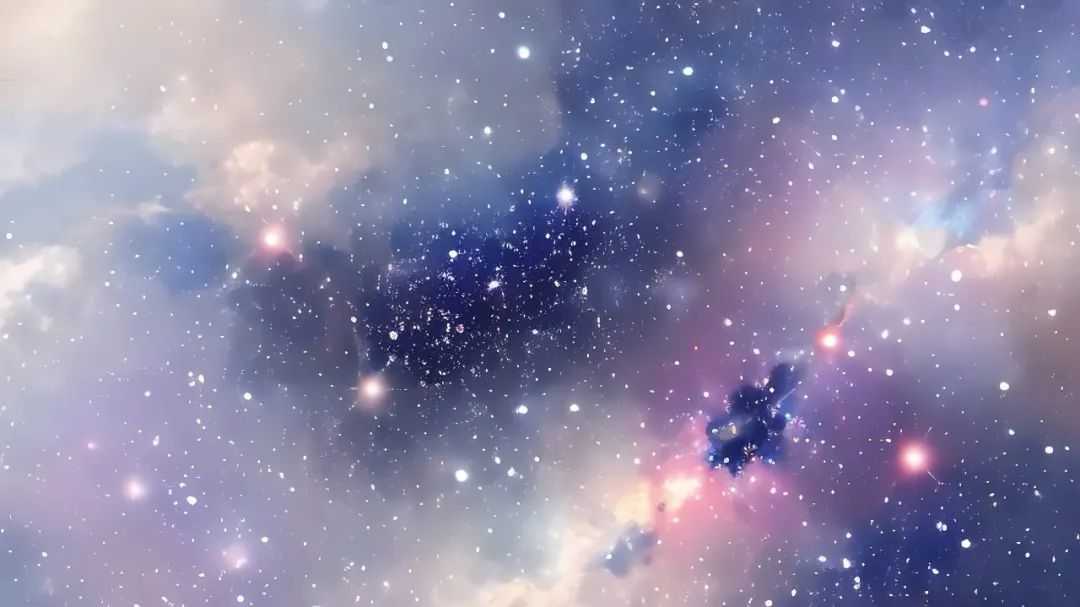
Through telescopes or astrophotography, celestial observers often encounter luminous, cloud-like structures known as nebulae. These cosmic formations, composed of gas and dust, have fascinated scientists for centuries. Initially classified into two broad categories—galactic nebulae (within the Milky Way) and extragalactic nebulae (beyond our galaxy)—they serve as crucial sites of stellar birth, evolution, and death.
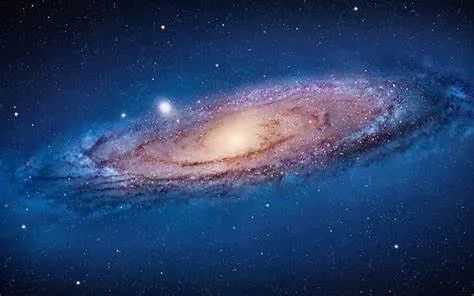
Andromeda Galaxy: The Cosmic Neighbor Illuminating the Night Sky
The Andromeda Galaxy, also known as Messier 31 (M31), stands as the closest major spiral galaxy to our Milky Way, captivating astronomers and stargazers alike with its grandeur and cosmic significance. Visible to the naked eye on clear nights as a faint, fuzzy patch, it offers a glimpse into the vastness of the universe and the complex dynamics of galactic evolution.
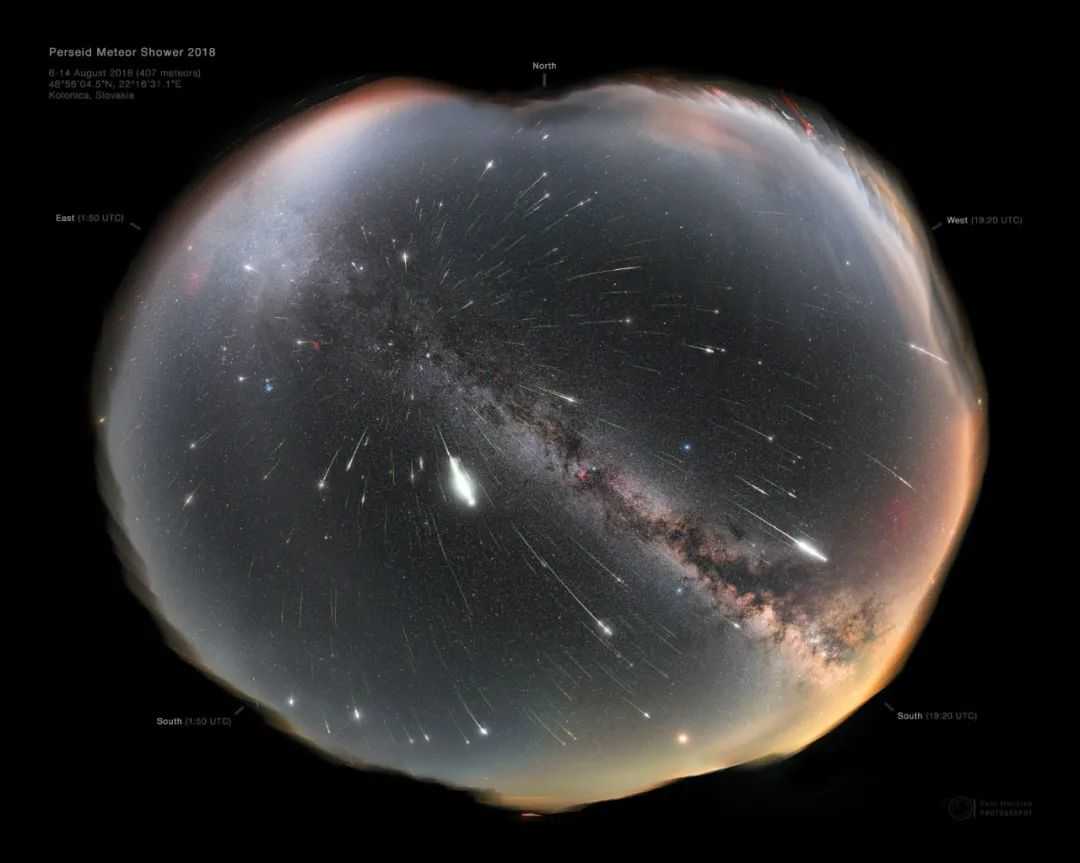
Perseid Meteor Shower: The Spectacular Summer Celestial Display
One of the most anticipated astronomical events of summer, the Perseid meteor shower ranks among the three major meteor showers in the Northern Hemisphere. Renowned for its reliability and dazzling display, it captivates skywatchers worldwide, offering a breathtaking showcase of streaking lights across the night sky.
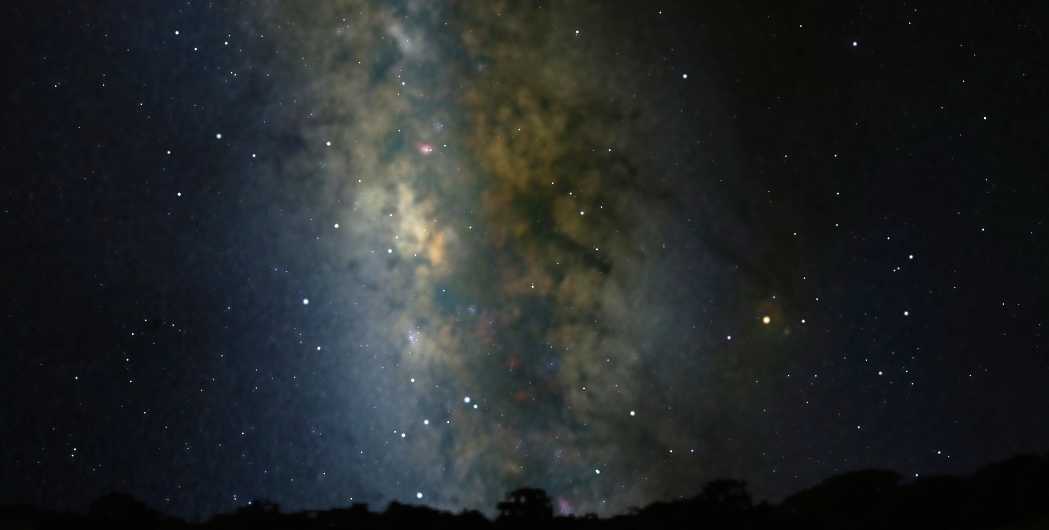
The Milky Way: A Celestial Tapestry Spanning the Night Sky
The Milky Way, a luminous band of stars stretching across the celestial sphere, has captivated human imagination for millennia. Known as the "Road of Milk" in ancient Greek mythology and by names like "Heavenly River" or "Silver Stream" in ancient Chinese astronomy, this iconic feature is more than a mere spectacle—it is the vast stellar system that contains our Solar System.
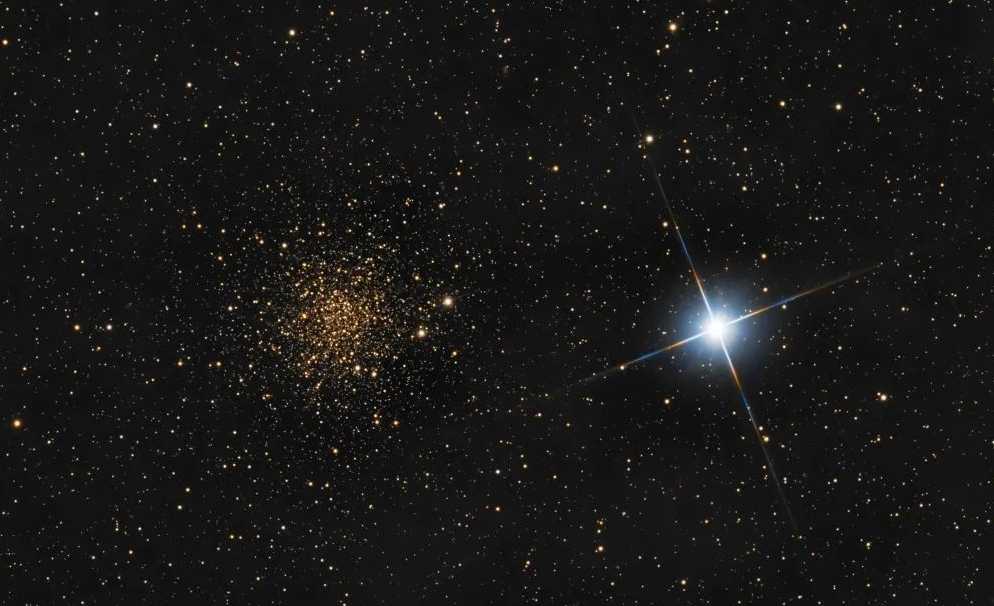
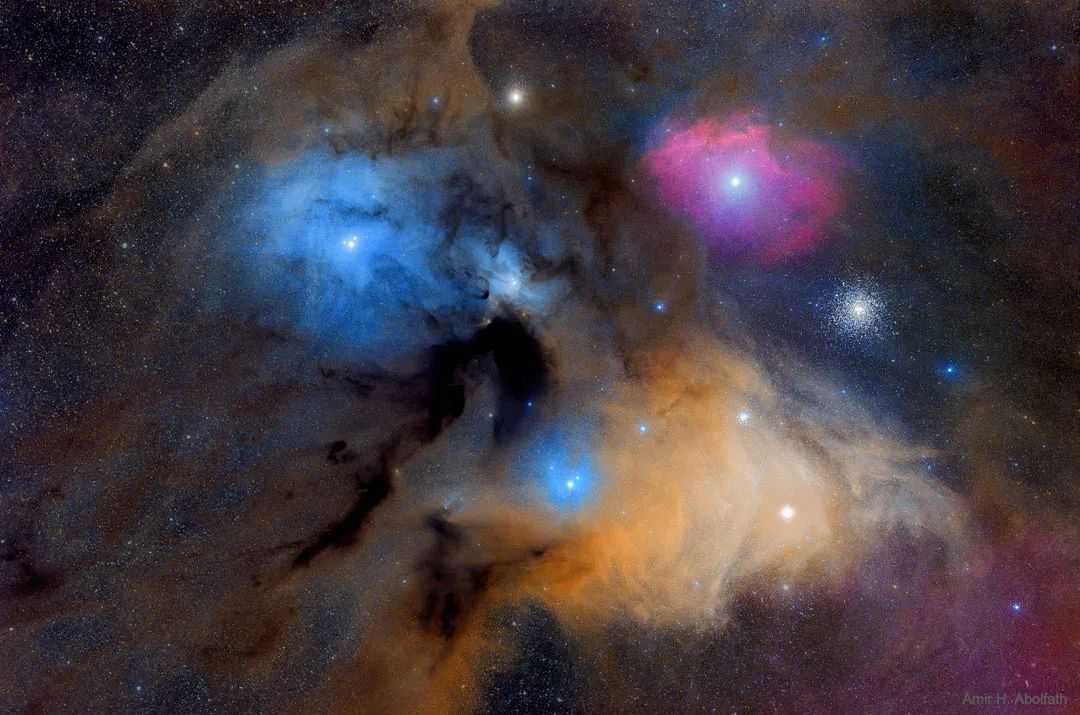
Globular Cluster M4: A Stellar Jewel Beside Antares in Scorpius
Globular cluster M4 (Messier 4) may not dazzle with extreme brightness, but its accessibility and striking proximity to one of the sky’s most iconic stars make it a favorite target for astronomers and astrophotographers alike. Nestled in the constellation Scorpius, this ancient stellar grouping offers a window into the galaxy’s past and a stunning visual companion to its fiery neighbor.
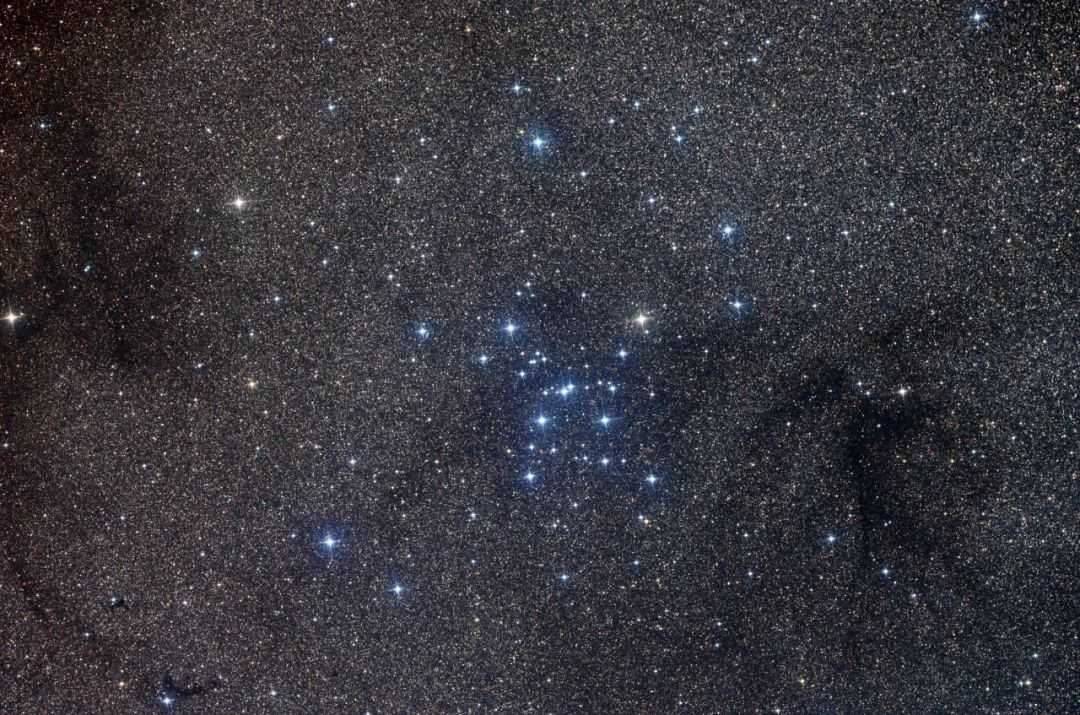
M7: Ptolemy's Cluster—A Brilliant Open Cluster in Scorpius
Known as Ptolemy's Cluster, M7 is a striking open cluster that graces the tail of the constellation Scorpius. With an apparent magnitude of 3.3—comparable to the Andromeda Galaxy’s brightness—it stands out as one of the most luminous and easily observable open clusters in the night sky, captivating both amateur stargazers and astronomers with its celestial beauty.