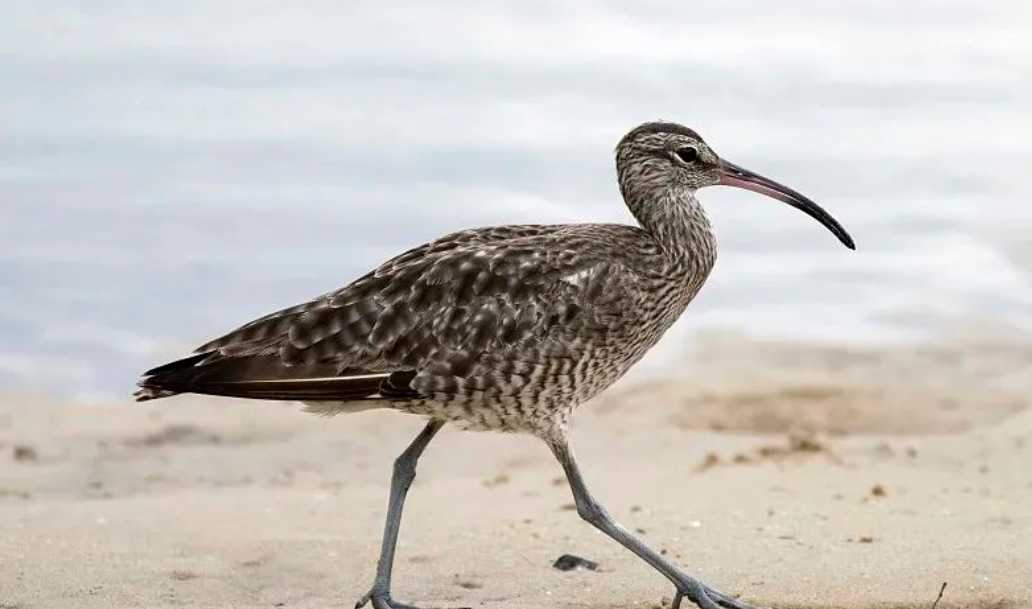
Numenius madagascariensis, commonly known as the Far Eastern curlew, stands as one of the largest migratory wading birds, undertaking epic journeys between East Asia and Australia. Renowned for its extensive migrations and distinctive appearance, this avian species plays a crucial ecological role in the diverse wetlands and coastal ecosystems it traverses.
Numenius madagascariensis: The Migratory Giant of East Asian and Australian Wetlands
Numenius madagascariensis, commonly known as the Far Eastern curlew, stands as one of the largest migratory wading birds, undertaking epic journeys between East Asia and Australia. Renowned for its extensive migrations and distinctive appearance, this avian species plays a crucial ecological role in the diverse wetlands and coastal ecosystems it traverses.
Source: Images from the Internet, if there is any infringement, please contact the removal of
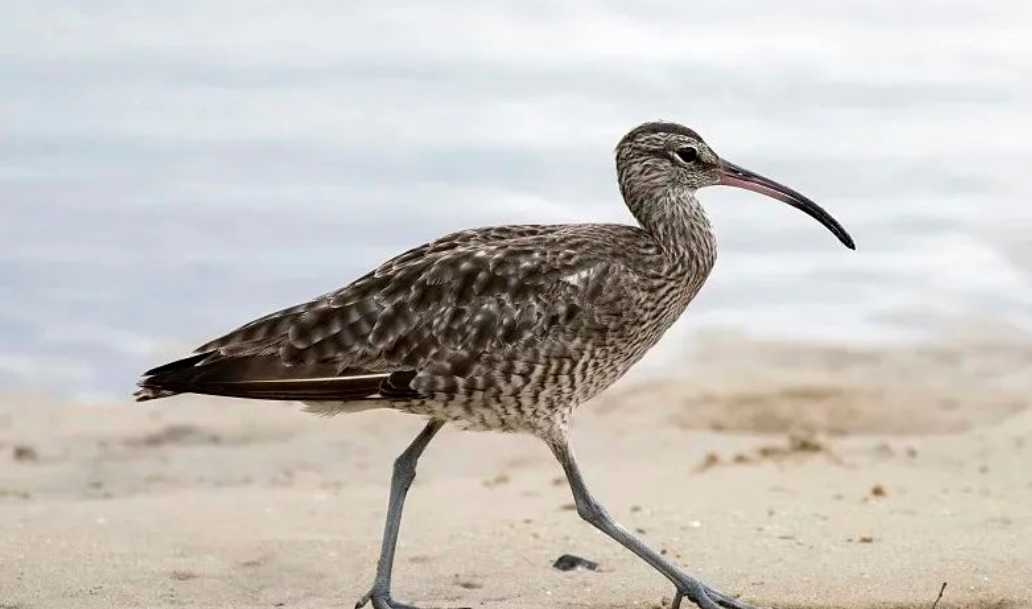
Measuring between 55 and 65 centimeters in length, the Far Eastern curlew showcases a robust body covered in a mottled pattern of grayish-brown feathers. Its plumage, marked by intricate dark and light streaks, provides excellent camouflage against the muddy and sandy substrates of its habitats. The bird’s most striking feature is its elongated, downward-curved bill, which can reach up to 28 centimeters in length—an adaptation perfectly suited for probing deep into the soft sediment to extract prey. Large, alert eyes and long, sturdy legs enable it to navigate the challenging terrains of coastal mudflats and marshes with ease.
Inhabiting vast coastal wetlands, estuaries, and tidal flats across its migratory range, the Far Eastern curlew primarily feeds on benthic organisms. Using its specialized bill, it extracts a variety of prey, including clams, mussels, crabs, worms, and other invertebrates hidden beneath the surface. During the breeding season, it nests in the grasslands and tundra of northeastern Asia, particularly in Russia and Mongolia. As winter approaches, it embarks on an arduous journey, flying thousands of kilometers non-stop over the ocean to reach its wintering grounds in Australia and New Zealand—a feat that underscores its remarkable endurance and navigational abilities.
Despite its ecological importance, the Far Eastern curlew faces severe threats to its survival. Habitat loss due to coastal development, wetland drainage for agriculture, and industrial activities has significantly reduced the availability of suitable feeding and resting sites along its migratory route. Additionally, pollution, overfishing, and climate change further exacerbate the challenges it encounters. Once abundant, the species has experienced a dramatic population decline, now classified as critically endangered. Conservation initiatives, including the establishment of protected areas, habitat restoration projects, and international cooperation to safeguard migratory corridors, are urgently needed to prevent the extinction of this majestic migratory bird and preserve the integrity of the wetland ecosystems it depends on.