Astro Information


2 minute read

M83, the Southern Pinwheel Galaxy: A Stellar Beauty in Hydra's Vicinity

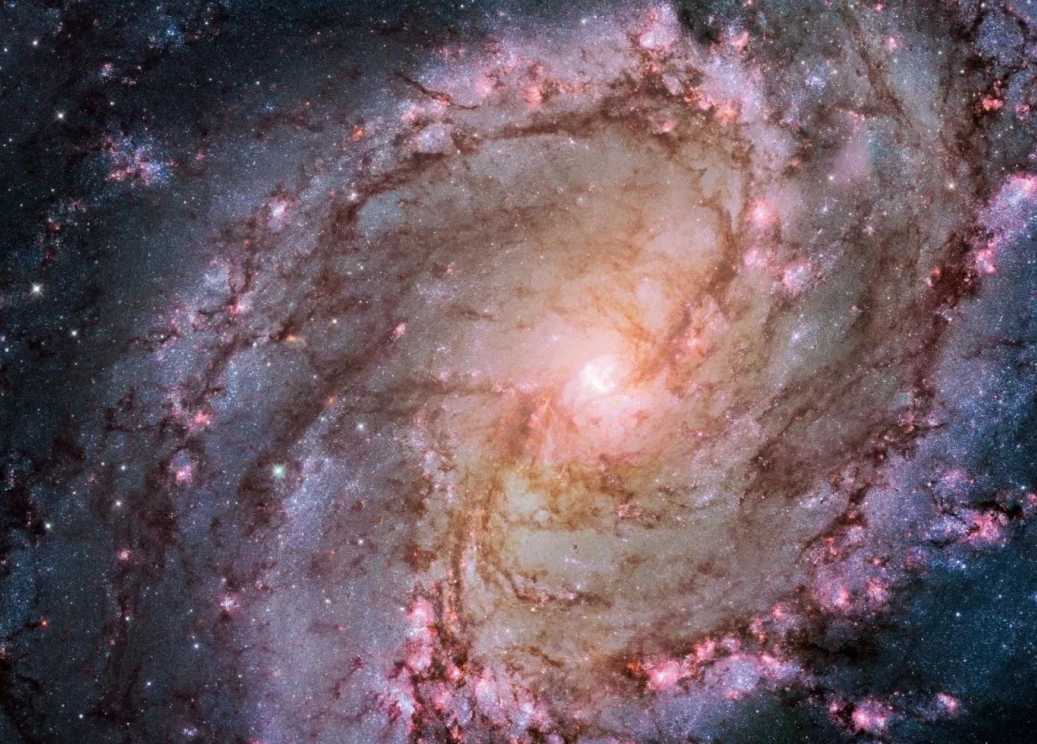
Nestled near the constellation Hydra, the barred spiral galaxy M83 shines as a captivating cosmic spectacle, earning its nickname the "Southern Pinwheel" from its striking spiral arms. Located approximately 15 million light-years from Earth, this galaxy showcases the dynamic interplay of star formation, gravity, and interstellar matter, offering astronomers and stargazers a vivid window into the universe’s grand design.
M83, the Southern Pinwheel Galaxy: A Stellar Beauty in Hydra's Vicinity
1 minute read

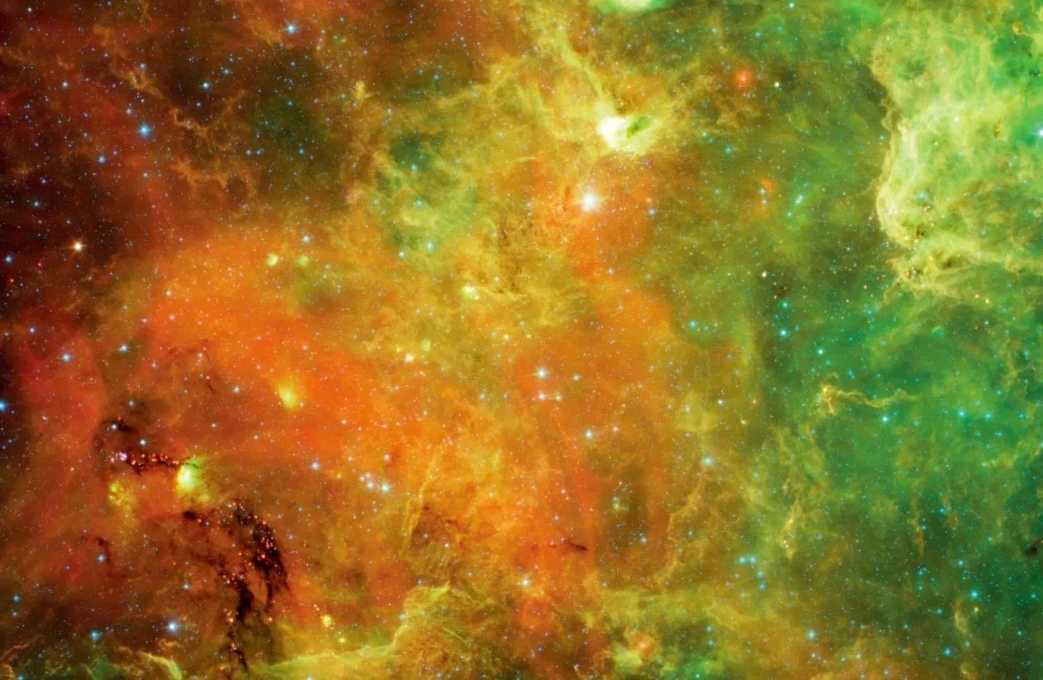
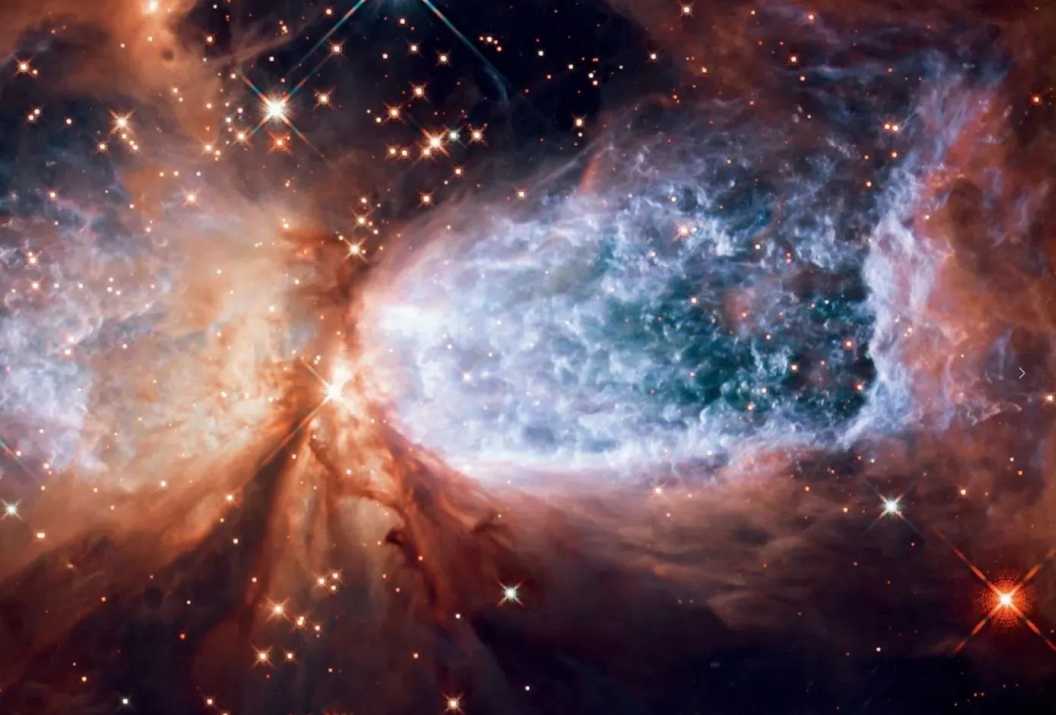
Young Stars in Orion B Molecular Cloud Heat Up the Surrounding Dust

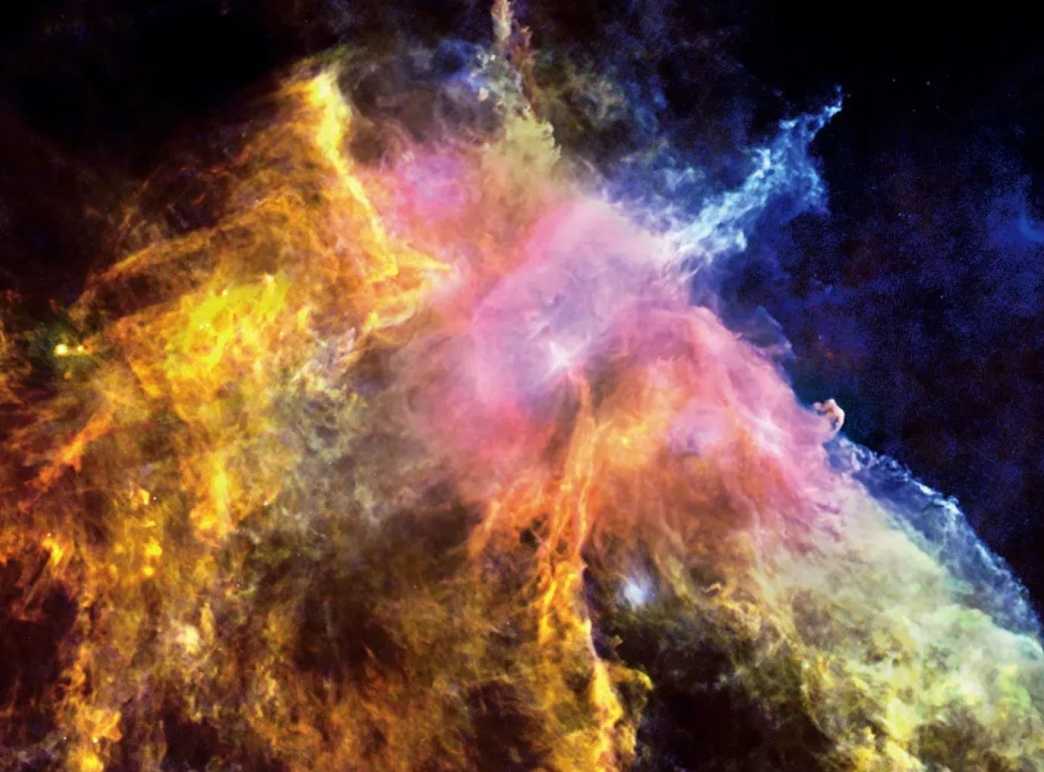
Deep within the vast expanse of our Milky Way galaxy, a cosmic drama unfolds in the Orion B molecular cloud. Located between 1000 and 1400 light - years from our Solar System, this region is a bustling nursery for new stars. Here, young, energetic stars are hard at work, heating the surrounding dust and creating a mesmerizing display of cosmic activity.
Young Stars in Orion B Molecular Cloud Heat Up the Surrounding Dust
1 minute read

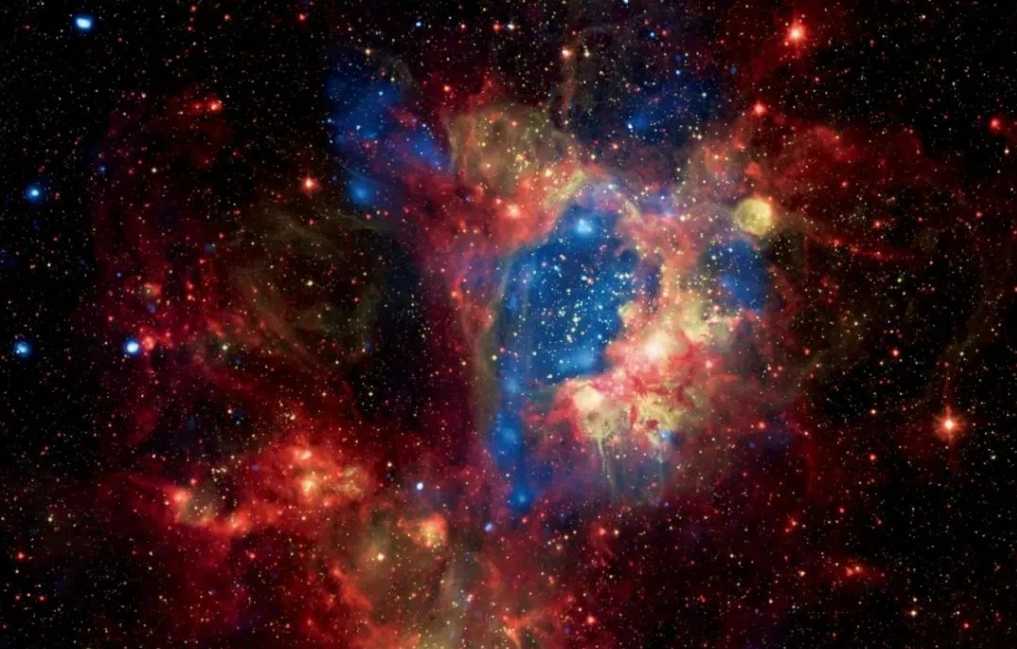
The Cone Nebula within NGC 2264 in Monoceros: A Cosmic Sculpture

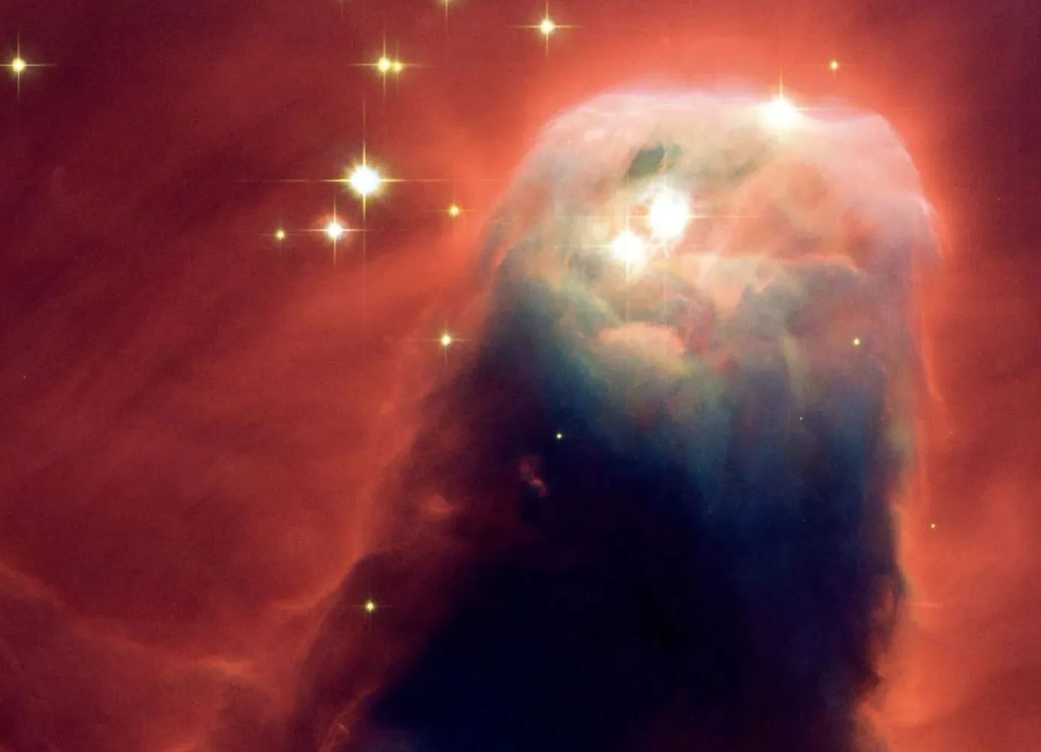
Nestled in the constellation Monoceros, the Cone Nebula, part of the NGC 2264 complex, is a captivating sight. Located around 2,500 light - years from the Solar System, this nebula is a testament to the dynamic processes of star formation, with its unique shape and the energetic interplay between young stars and surrounding matter.
The Cone Nebula within NGC 2264 in Monoceros: A Cosmic Sculpture
1 minute read

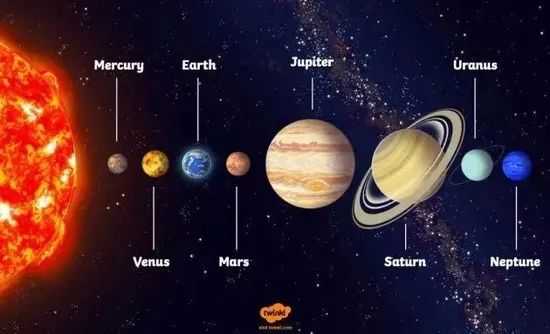
The Sun: The Life - Giving Star at the Heart of Our Solar System

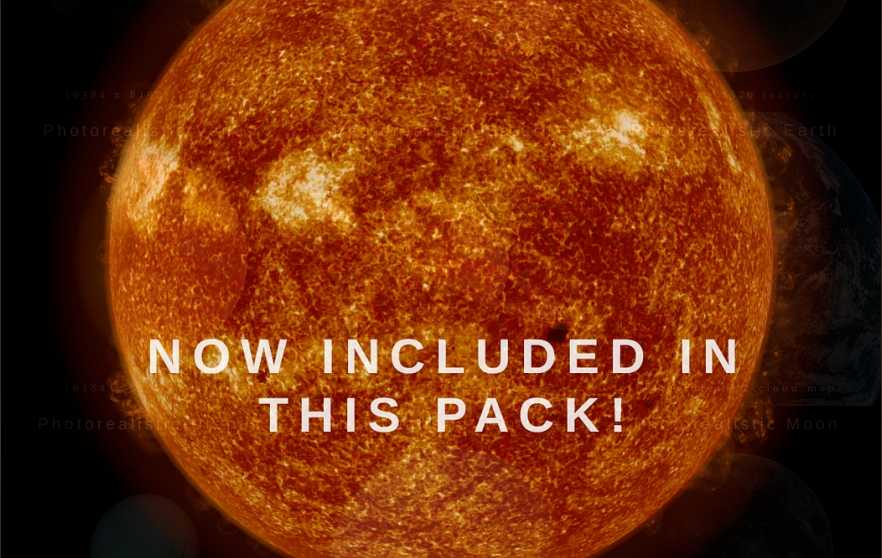
The Sun, a colossal ball of glowing plasma, reigns supreme at the center of our solar system. This G - type main - sequence star, often informally called a yellow dwarf, is the most dominant object in our cosmic neighborhood. Its influence extends far and wide, making life on Earth possible and governing the motions of planets, asteroids, and comets.
The Sun: The Life - Giving Star at the Heart of Our Solar System
1 minute read

Jupiter: The Colossal Guardian of the Solar System

As the largest planet in our solar system, Jupiter commands attention with its immense size and dynamic atmosphere. This gas giant, a celestial behemoth more than 1,300 times the volume of Earth, serves as both a gravitational powerhouse and a cosmic laboratory, captivating astronomers and space enthusiasts alike with its swirling storms and diverse moons.
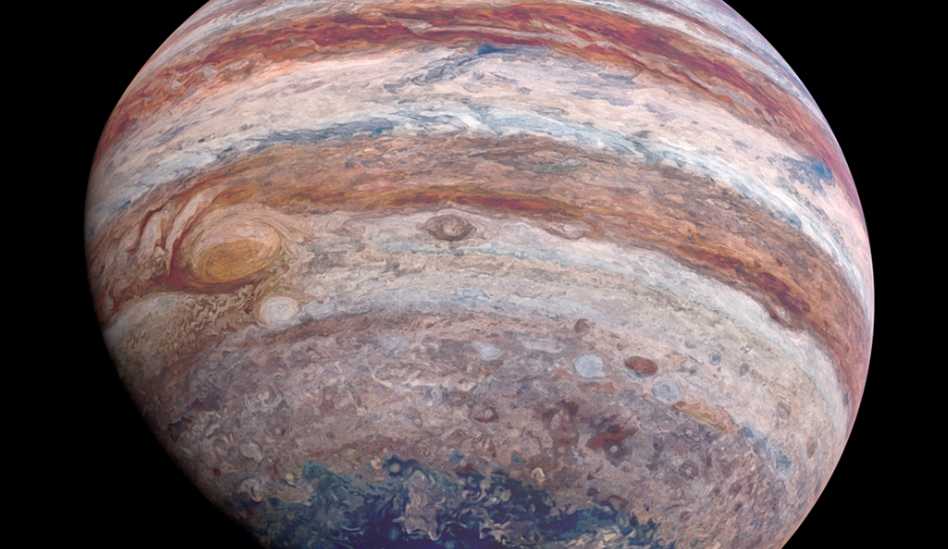
Jupiter: The Colossal Guardian of the Solar System
1 minute read

Mars: The Mysterious Red Planet Beckons Exploration

Mars, the fourth planet from the Sun, has long fascinated humanity with its rust - colored allure. Nicknamed the "Red Planet," it stands out in the night sky as a distinct, reddish - orange dot, sparking curiosity about what lies on its surface and within its atmosphere. This celestial body, smaller than Earth but teeming with secrets, has become a focal point for space exploration.
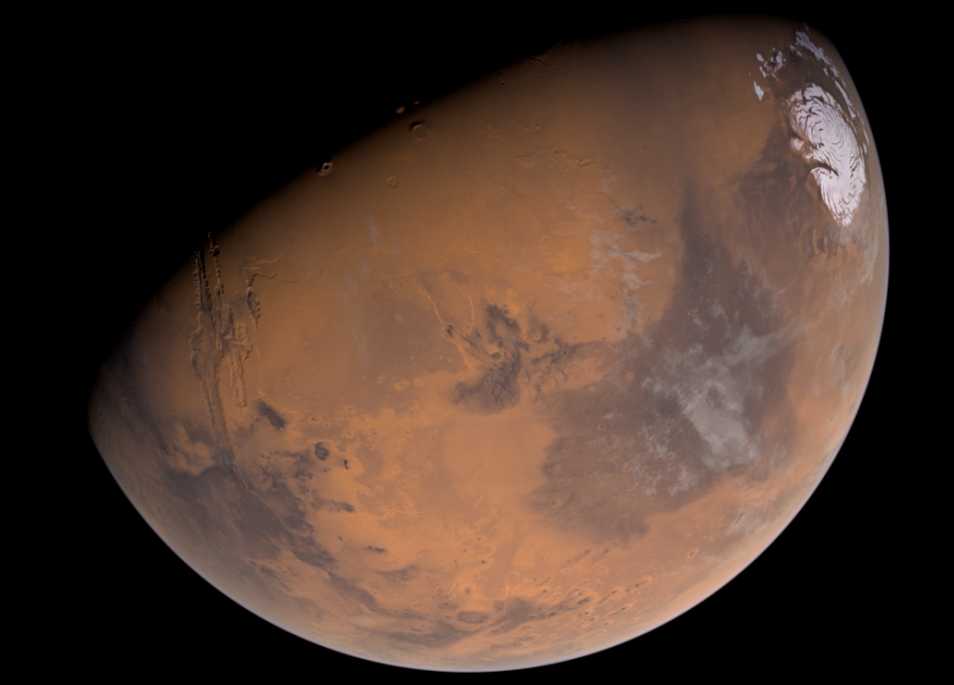
Mars: The Mysterious Red Planet Beckons Exploration
1 minute read

Mercury: The Solar System’s Closest and Most Enigmatic World

Mercury, the innermost planet of our solar system, orbits perilously close to the Sun, facing extreme temperatures and cosmic challenges. As the smallest of the eight planets, it stands out for its unique geological features and intriguing history, captivating astronomers with its secrets hidden beneath a heavily cratered surface.
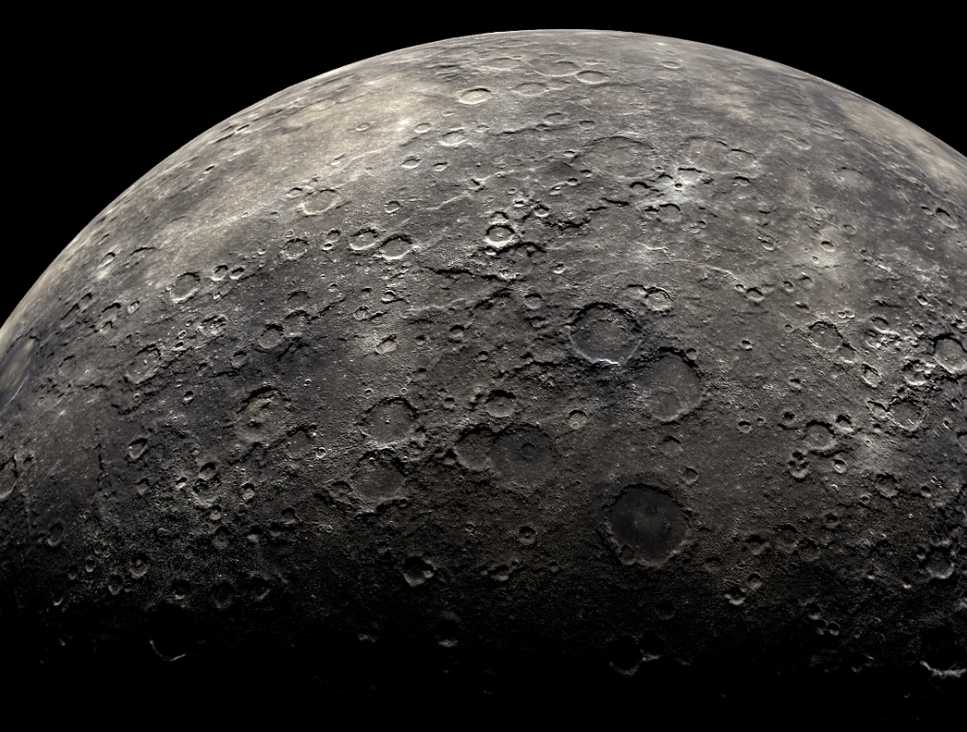
Mercury: The Solar System’s Closest and Most Enigmatic World
2 minute read

Neptune: The Mysterious Ice Giant on the Solar System's Fringe

Neptune, the eighth and most distant planet from the Sun in our solar system, remains a captivating enigma. Hidden from the naked eye, this ice giant reveals a world of extremes, with its unique features and dynamic atmosphere offering a glimpse into the far - reaches of our cosmic neighborhood.
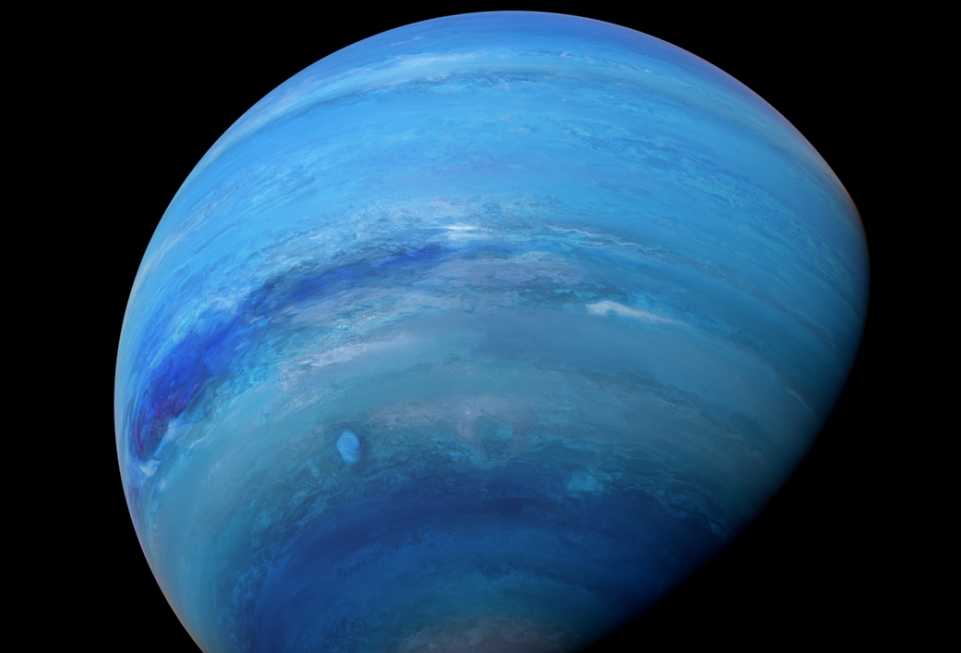
Neptune: The Mysterious Ice Giant on the Solar System's Fringe

Latest Stories
Feline News2 minute readOriginating from the northwestern United States, the Pixiebob Longhair has captivated cat enthusiasts worldwide with its striking resemblance to the wild bobcat and its loyal, affectionate nature. As the long-haired variant of the Pixiebob breed, this "native new breed"—recognized by The International Cat Association (TICA)—boasts a robust physique, luxurious silky coat, and a uniquely bobbed tail, earning accolades in international cat shows.
Animal Information1 minute readOriginating in Hungary, the Komondor is a muscular large breed renowned as a fearless guardian. Historically tasked with protecting herds from wolves, this agile canine now serves as a devoted family guard dog, blending loyalty with a distinctive appearance that earned it a quirky nickname.
Feline News2 minute readThe Turkish Angora, a breed steeped in history and elegance, has captivated hearts for centuries with its striking appearance and regal demeanor. Originating from Ankara, Turkey (formerly Angora), this ancient longhair breed is believed to be the ancestor of many modern longhaired cats. Once on the brink of extinction, it was saved by dedicated conservation efforts, including a 1930s breeding program initiated by the Turkish government, which focused on preserving the iconic white-coated variety. Today, it stands as a national treasure, celebrated for its beauty and cultural significance.
Animal Information1 minute readThe humphead wrasse (Cheilinus undulatus), a majestic marine species, remains listed as endangered, facing ongoing threats to its survival in global oceans. Renowned for its impressive size, adult individuals can reach a staggering weight of 180 kilograms, making it one of the largest reef-dwelling fish in the world.
Feline News1 minute readThe Balinese cat, also known as the Bali cat or Java cat, is a charming medium - sized long - haired cat. It originated in the United States and is a long - haired mutant of the Siamese cat. It is named the Balinese cat because its movements are 酷似 those of the native Balinese dancers.
Animal Information1 minute readThe global population of Bengal tigers currently stands at approximately 24,000, but a closer look at the figures reveals a worrying reality: only around 3,200 of these majestic creatures live in their natural wild habitats, while nearly 20,000 are in captivity. This stark contrast becomes even more alarming when compared to historical records.
Animal Information1 minute readThe Atossa fritillary (Speyeria adiaste atossa), a butterfly once common in Southern California’s mountain regions, is feared extinct, with no confirmed sightings since 1959. Characterized by its broad wings decorated with elegant black spots, the species once thrived across the area’s rugged landscapes.