2 minute read

The Pink River Dolphin: Amazon’s Enigmatic Pink Wonder Unique to River Ecosystems

In the murky waters of the Amazon and Orinoco river basins, a creature of mythical allure glides through the currents: the pink river dolphin (Inia geoffrensis), a unique species that has captivated indigenous tribes and scientists for centuries. Often called the "botos," these dolphins stand out not only for their striking pink hue but as one of the few freshwater dolphin species on Earth, evolving the perfect adaptation to thrive in the Amazon’s labyrinthine waterways.
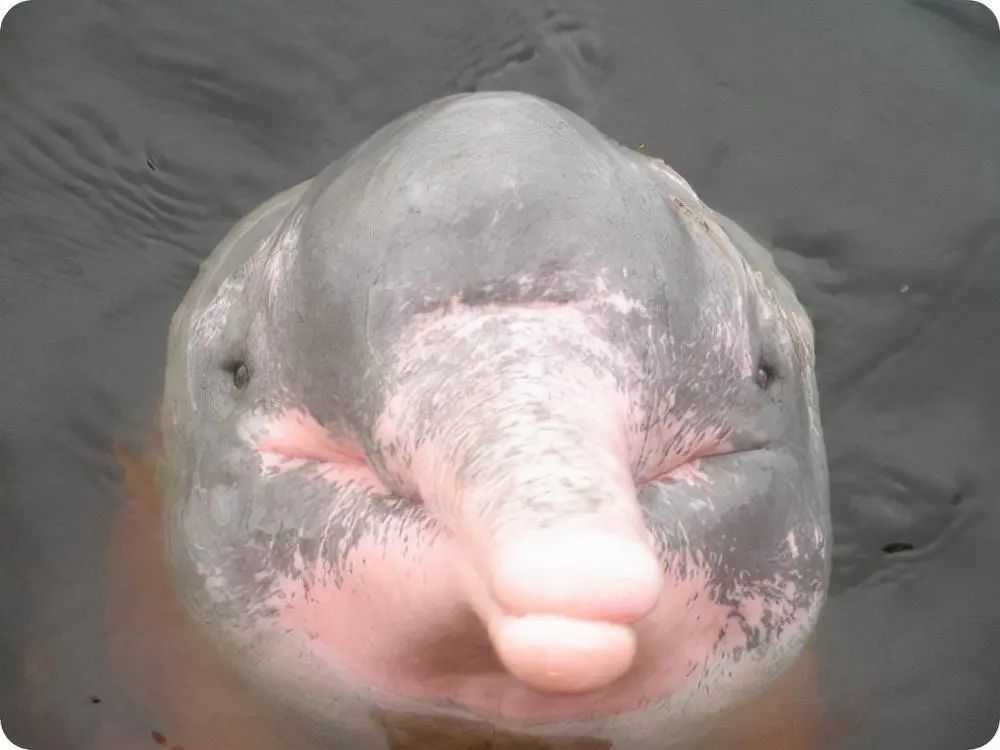
The Pink River Dolphin: Amazon’s Enigmatic Pink Wonder Unique to River Ecosystems
1 minute read

The Komondor: Hungary’s Majestic 'Mop Dog' with a Guarding Legacy

Originating in Hungary, the Komondor is a muscular large breed renowned as a fearless guardian. Historically tasked with protecting herds from wolves, this agile canine now serves as a devoted family guard dog, blending loyalty with a distinctive appearance that earned it a quirky nickname.
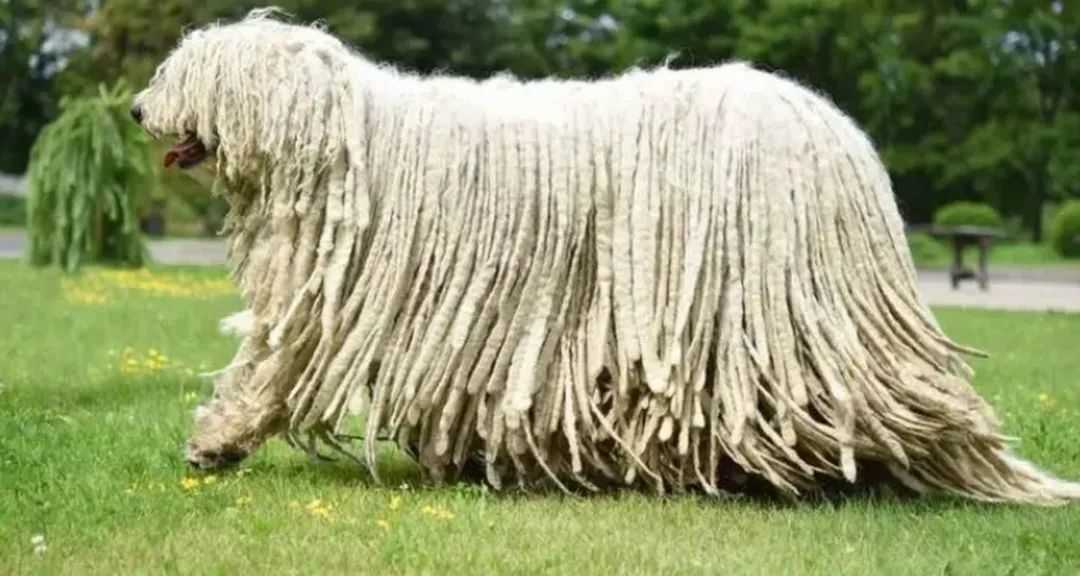
The Komondor: Hungary’s Majestic 'Mop Dog' with a Guarding Legacy
2 minute read

The Kiwu Tree Viper: A Dragon-Like Venomous Snake from Central Africa

Native to the rainforests of Central Africa, the Kiwu tree viper (Atheris hispida) strikes an imposing figure, with its spiky scales and vibrant coloration earning it comparisons to mythical dragons. Found in regions like Rwanda and the Democratic Republic of Congo, this arboreal serpent combines beauty with lethality, thriving in the forest canopy as one of Africa’s most distinctive venomous species.
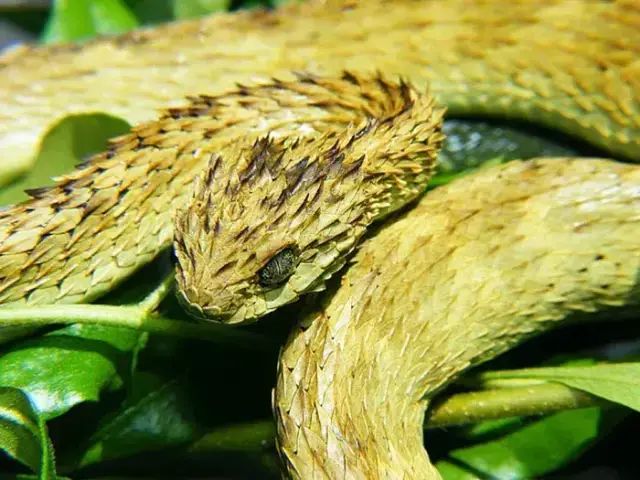
The Kiwu Tree Viper: A Dragon-Like Venomous Snake from Central Africa
1 minute read

The Dugong: Earth’s Last Living 'Sea Cow' and Its Tragic Plight

As the sole surviving species of the Dugongidae family, the dugong measures 2.7–3.3 meters in length and weighs 400–600 kg, grazing on seagrass in tropical shallows. Tragically, the population in China’s South China Sea has been confirmed functionally extinct, making this gentle giant a national first-class protected animal in China.
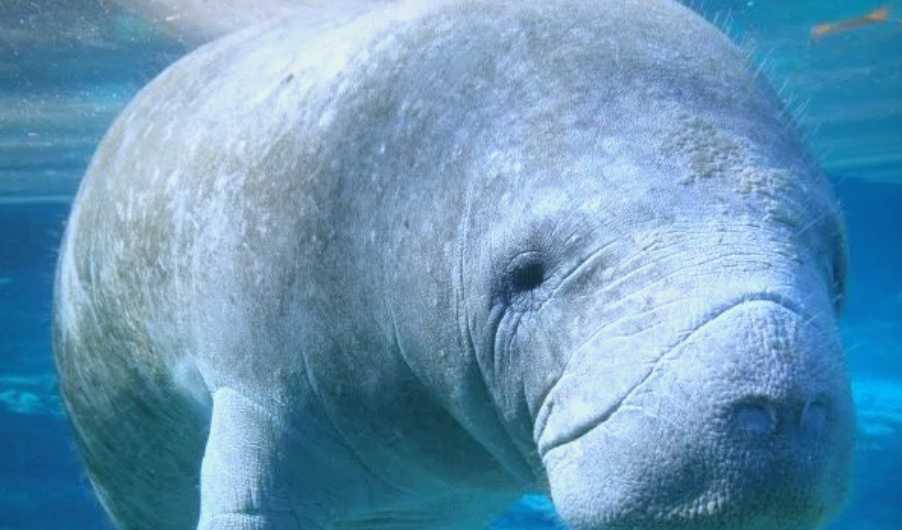
The Dugong: Earth’s Last Living 'Sea Cow' and Its Tragic Plight
2 minute read

The Long-Eared Jerboa: A Desert Dweller with Ears Larger Than Its Body

Native to the arid deserts of Mongolia and northern China, the long-eared jerboa (Euchoreutes naso) defies expectations with its disproportionately giant ears, which can reach up to 6 centimeters—longer than its entire head and body combined. This mouse-sized rodent, adapted to survive in harsh desert environments, has captivated scientists and animal enthusiasts alike with its bizarre appearance and unique behavioral traits.
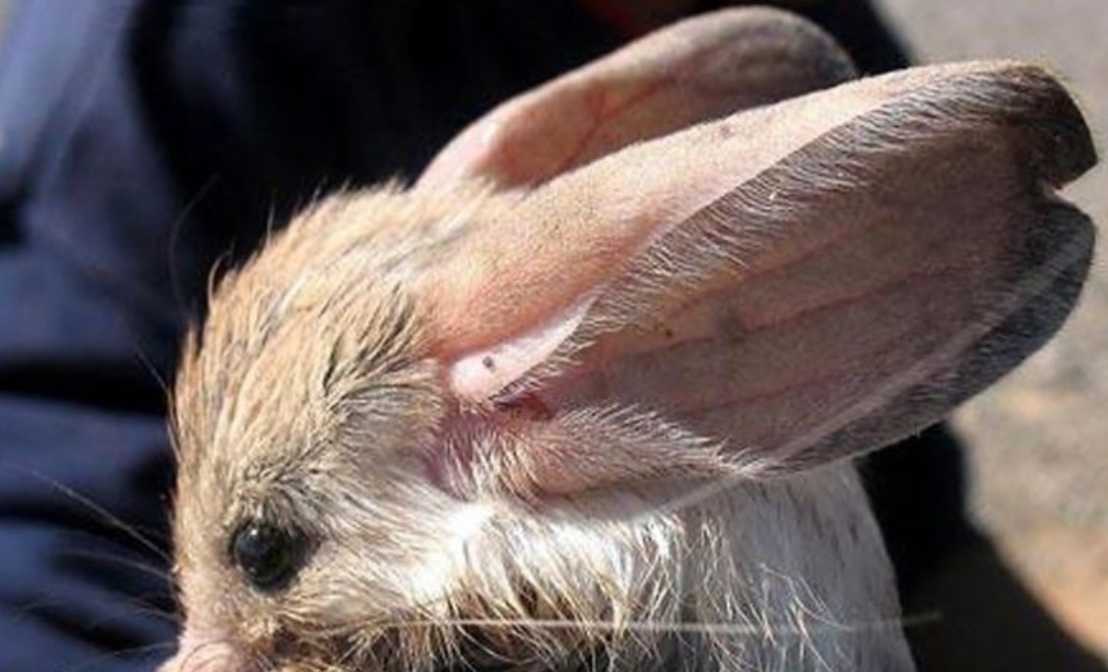
The Long-Eared Jerboa: A Desert Dweller with Ears Larger Than Its Body
1 minute read

The Star-Nosed Mole: Nature’s Most Extraordinary Nose in North America

Native to North America, the star-nosed mole is a small mammal measuring 15–20 cm in length, inhabiting wetland ecosystems. Its name stems from the 22 pink, star-shaped tentacles surrounding its nose—a unique feature that sets it apart in the animal kingdom.
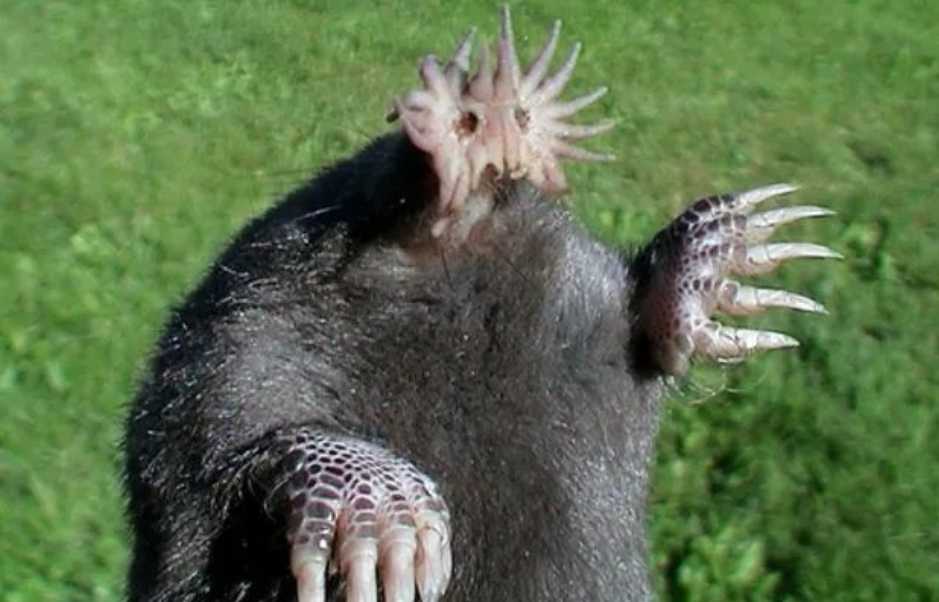
The Star-Nosed Mole: Nature’s Most Extraordinary Nose in North America
1 minute read

The Naked Mole-Rat: East Africa’s Hairless Wonder of Evolutionary Oddity

Endemic to East Africa, the naked mole-rat is a hairless rodent measuring 8–10 cm in length, subsisting primarily on underground tubers. Remarkably, its skin lacks pain receptors, and the species shows resistance to cancer and hypoxia—traits that have fascinated scientists for decades.
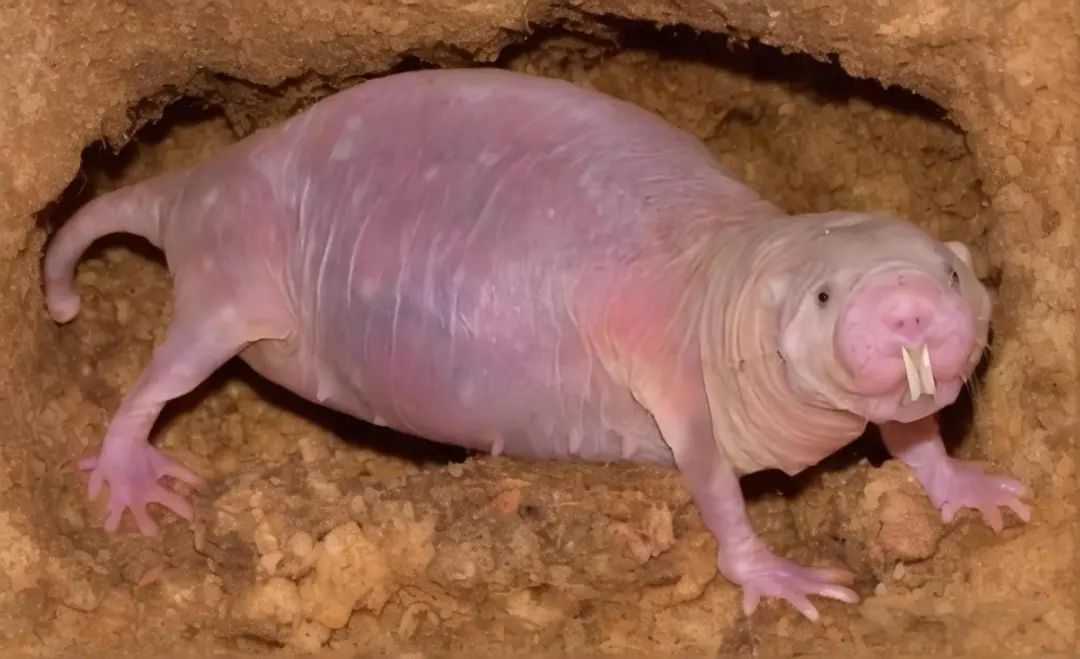
The Naked Mole-Rat: East Africa’s Hairless Wonder of Evolutionary Oddity
1 minute read

The Blobfish: Deep-Sea Oddity Named World’s Ugliest Animal

Scientifically known as Psychrolutes marcidus, the blobfish inhabits 600–1,200m deep-sea waters, measuring 30–38 cm in length. This gelatinous creature lacks bones and muscles, with a body density slightly lower than water—enabling it to float passively while capturing prey.
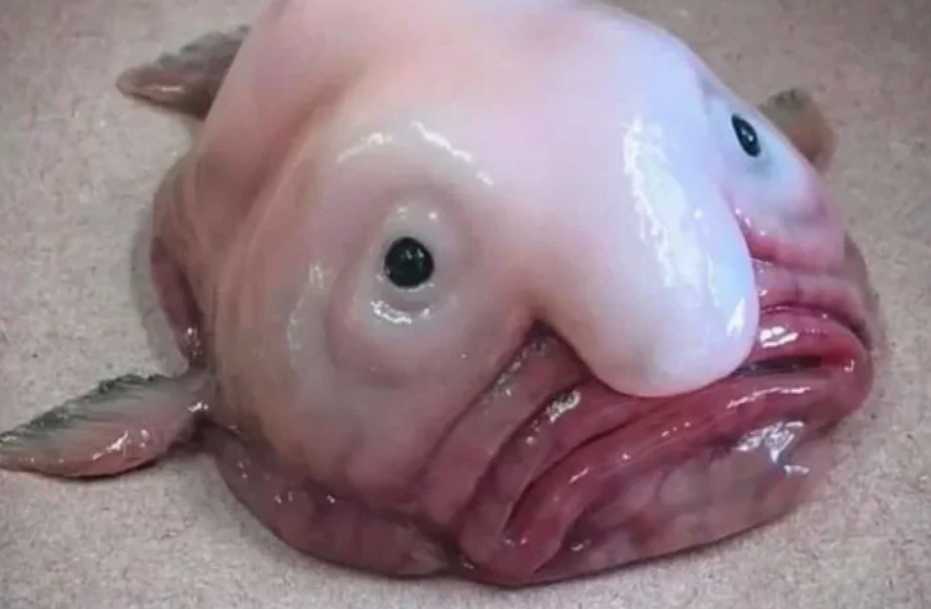
The Blobfish: Deep-Sea Oddity Named World’s Ugliest Animal

Latest Stories
Feline News2 minute readOriginating from the northwestern United States, the Pixiebob Longhair has captivated cat enthusiasts worldwide with its striking resemblance to the wild bobcat and its loyal, affectionate nature. As the long-haired variant of the Pixiebob breed, this "native new breed"—recognized by The International Cat Association (TICA)—boasts a robust physique, luxurious silky coat, and a uniquely bobbed tail, earning accolades in international cat shows.
Animal Information1 minute readOriginating in Hungary, the Komondor is a muscular large breed renowned as a fearless guardian. Historically tasked with protecting herds from wolves, this agile canine now serves as a devoted family guard dog, blending loyalty with a distinctive appearance that earned it a quirky nickname.
Feline News2 minute readThe Turkish Angora, a breed steeped in history and elegance, has captivated hearts for centuries with its striking appearance and regal demeanor. Originating from Ankara, Turkey (formerly Angora), this ancient longhair breed is believed to be the ancestor of many modern longhaired cats. Once on the brink of extinction, it was saved by dedicated conservation efforts, including a 1930s breeding program initiated by the Turkish government, which focused on preserving the iconic white-coated variety. Today, it stands as a national treasure, celebrated for its beauty and cultural significance.
Animal Information1 minute readThe humphead wrasse (Cheilinus undulatus), a majestic marine species, remains listed as endangered, facing ongoing threats to its survival in global oceans. Renowned for its impressive size, adult individuals can reach a staggering weight of 180 kilograms, making it one of the largest reef-dwelling fish in the world.
Feline News1 minute readThe Balinese cat, also known as the Bali cat or Java cat, is a charming medium - sized long - haired cat. It originated in the United States and is a long - haired mutant of the Siamese cat. It is named the Balinese cat because its movements are 酷似 those of the native Balinese dancers.
Animal Information1 minute readThe global population of Bengal tigers currently stands at approximately 24,000, but a closer look at the figures reveals a worrying reality: only around 3,200 of these majestic creatures live in their natural wild habitats, while nearly 20,000 are in captivity. This stark contrast becomes even more alarming when compared to historical records.
Animal Information1 minute readThe Atossa fritillary (Speyeria adiaste atossa), a butterfly once common in Southern California’s mountain regions, is feared extinct, with no confirmed sightings since 1959. Characterized by its broad wings decorated with elegant black spots, the species once thrived across the area’s rugged landscapes.