The Naked Mole-Rat: East Africa’s Hairless Wonder of Evolutionary Oddity


Animal Information
The Naked Mole-Rat: East Africa’s Hairless Wonder of Evolutionary Oddity

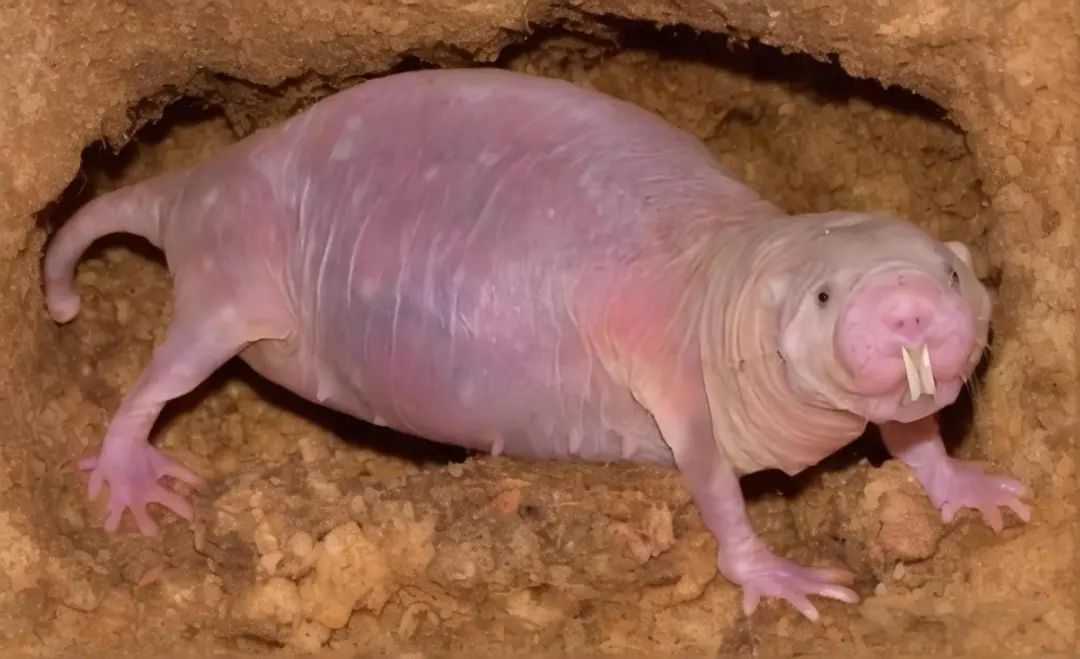
Endemic to East Africa, the naked mole-rat is a hairless rodent measuring 8–10 cm in length, subsisting primarily on underground tubers. Remarkably, its skin lacks pain receptors, and the species shows resistance to cancer and hypoxia—traits that have fascinated scientists for decades.


Regarded as the pinnacle of "scruffy" aesthetics, the naked mole-rat resembles a creature fashioned in evolutionary haste. With almost no fur, its wrinkled pink or yellow skin stretches over a bony frame, while massive incisors protrude awkwardly beyond its lips. "It’s as if nature assembled it from spare parts," quips zoologist Dr. Sarah Evans. This unique appearance earned it a spot on Guinness World Records’ list of "Ugliest Animals," a title that belies its extraordinary biological adaptations.
Despite its unassuming look, the naked mole-rat thrives in complex underground colonies, displaying eusocial behavior rare among mammals. Its hairlessness reduces friction in burrows, while specialized hemoglobin allows oxygen absorption in low-oxygen environments. "What seems like evolutionary carelessness is actually a masterclass in adaptation," notes evolutionary biologist Dr. Michael Sherman. "This 'ugly' rodent may hold keys to longevity and disease resistance—proving that nature’s most eccentric designs often hide the deepest scientific secrets."
Latest Stories
Feline News2 minute readOriginating from the northwestern United States, the Pixiebob Longhair has captivated cat enthusiasts worldwide with its striking resemblance to the wild bobcat and its loyal, affectionate nature. As the long-haired variant of the Pixiebob breed, this "native new breed"—recognized by The International Cat Association (TICA)—boasts a robust physique, luxurious silky coat, and a uniquely bobbed tail, earning accolades in international cat shows.
Animal Information1 minute readOriginating in Hungary, the Komondor is a muscular large breed renowned as a fearless guardian. Historically tasked with protecting herds from wolves, this agile canine now serves as a devoted family guard dog, blending loyalty with a distinctive appearance that earned it a quirky nickname.
Feline News2 minute readThe Turkish Angora, a breed steeped in history and elegance, has captivated hearts for centuries with its striking appearance and regal demeanor. Originating from Ankara, Turkey (formerly Angora), this ancient longhair breed is believed to be the ancestor of many modern longhaired cats. Once on the brink of extinction, it was saved by dedicated conservation efforts, including a 1930s breeding program initiated by the Turkish government, which focused on preserving the iconic white-coated variety. Today, it stands as a national treasure, celebrated for its beauty and cultural significance.
Animal Information1 minute readThe humphead wrasse (Cheilinus undulatus), a majestic marine species, remains listed as endangered, facing ongoing threats to its survival in global oceans. Renowned for its impressive size, adult individuals can reach a staggering weight of 180 kilograms, making it one of the largest reef-dwelling fish in the world.
Feline News1 minute readThe Balinese cat, also known as the Bali cat or Java cat, is a charming medium - sized long - haired cat. It originated in the United States and is a long - haired mutant of the Siamese cat. It is named the Balinese cat because its movements are 酷似 those of the native Balinese dancers.
Animal Information1 minute readThe global population of Bengal tigers currently stands at approximately 24,000, but a closer look at the figures reveals a worrying reality: only around 3,200 of these majestic creatures live in their natural wild habitats, while nearly 20,000 are in captivity. This stark contrast becomes even more alarming when compared to historical records.
Animal Information1 minute readThe Atossa fritillary (Speyeria adiaste atossa), a butterfly once common in Southern California’s mountain regions, is feared extinct, with no confirmed sightings since 1959. Characterized by its broad wings decorated with elegant black spots, the species once thrived across the area’s rugged landscapes.