The Pink River Dolphin: Amazon’s Enigmatic Pink Wonder Unique to River Ecosystems


Animal Information
The Pink River Dolphin: Amazon’s Enigmatic Pink Wonder Unique to River Ecosystems

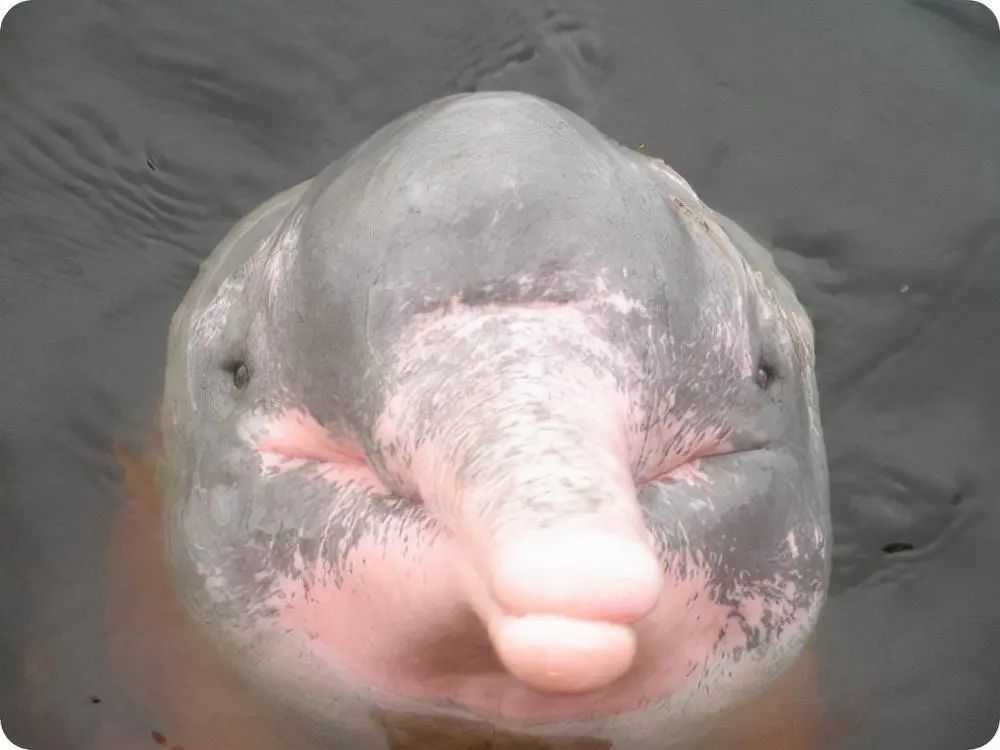
In the murky waters of the Amazon and Orinoco river basins, a creature of mythical allure glides through the currents: the pink river dolphin (Inia geoffrensis), a unique species that has captivated indigenous tribes and scientists for centuries. Often called the "botos," these dolphins stand out not only for their striking pink hue but as one of the few freshwater dolphin species on Earth, evolving the perfect adaptation to thrive in the Amazon’s labyrinthine waterways.

A Blushing Giant of the River: Biology and Behavior

Adult pink river dolphins can reach up to 2.5 meters in length, with males typically sporting a deeper pink color that intensifies with age—a hue caused by capillaries near the skin’s surface and believed to signal dominance. Their flexible necks and large flippers allow them to navigate through flooded forests and narrow tributaries, while a bulbous forehead (melon) aids in echolocation. Unlike marine dolphins, they have a more elongated snout for catching catfish, piranhas, and crustaceans in the river’s turbid waters. At dawn and dusk, groups of botos can be seen leaping gracefully, their pink bodies contrasting against the green jungle backdrop—a spectacle that has inspired legends of shape-shifting "encantados" in local folklore.

Threats to a Unique Species and Conservation Efforts

Endemic to the Amazon, the pink river dolphin faces grave threats from habitat degradation, pollution, and accidental entanglement in fishing nets. Dams and hydroelectric projects fragment their habitat, while mercury used in gold mining poisons their food chain. Despite being protected by law in countries like Brazil and Peru, illegal hunting for bait or traditional medicine persists. Conservation organizations are working with local communities to promote sustainable fishing practices and raise awareness about the dolphin’s ecological role as a top predator. The species is listed as Vulnerable by the IUCN, with researchers emphasizing that preserving the botos means safeguarding the entire Amazon river ecosystem—one of the planet’s most biodiverse and fragile environments.


As the Amazon faces unprecedented deforestation and climate change, the pink river dolphin serves as a living emblem of the region’s natural wonders. Its unique pink form, evolved over millennia to conquer freshwater challenges, reminds the world that the Amazon’s rivers hold secrets as vibrant as they are vulnerable. To lose the botos would be to erase not just a species, but a symbol of the Amazon’s ability to nurture life in the most extraordinary and unexpected forms.
Latest Stories
Feline News2 minute readOriginating from the northwestern United States, the Pixiebob Longhair has captivated cat enthusiasts worldwide with its striking resemblance to the wild bobcat and its loyal, affectionate nature. As the long-haired variant of the Pixiebob breed, this "native new breed"—recognized by The International Cat Association (TICA)—boasts a robust physique, luxurious silky coat, and a uniquely bobbed tail, earning accolades in international cat shows.
Animal Information1 minute readOriginating in Hungary, the Komondor is a muscular large breed renowned as a fearless guardian. Historically tasked with protecting herds from wolves, this agile canine now serves as a devoted family guard dog, blending loyalty with a distinctive appearance that earned it a quirky nickname.
Feline News2 minute readThe Turkish Angora, a breed steeped in history and elegance, has captivated hearts for centuries with its striking appearance and regal demeanor. Originating from Ankara, Turkey (formerly Angora), this ancient longhair breed is believed to be the ancestor of many modern longhaired cats. Once on the brink of extinction, it was saved by dedicated conservation efforts, including a 1930s breeding program initiated by the Turkish government, which focused on preserving the iconic white-coated variety. Today, it stands as a national treasure, celebrated for its beauty and cultural significance.
Animal Information1 minute readThe humphead wrasse (Cheilinus undulatus), a majestic marine species, remains listed as endangered, facing ongoing threats to its survival in global oceans. Renowned for its impressive size, adult individuals can reach a staggering weight of 180 kilograms, making it one of the largest reef-dwelling fish in the world.
Feline News1 minute readThe Balinese cat, also known as the Bali cat or Java cat, is a charming medium - sized long - haired cat. It originated in the United States and is a long - haired mutant of the Siamese cat. It is named the Balinese cat because its movements are 酷似 those of the native Balinese dancers.
Animal Information1 minute readThe global population of Bengal tigers currently stands at approximately 24,000, but a closer look at the figures reveals a worrying reality: only around 3,200 of these majestic creatures live in their natural wild habitats, while nearly 20,000 are in captivity. This stark contrast becomes even more alarming when compared to historical records.
Animal Information1 minute readThe Atossa fritillary (Speyeria adiaste atossa), a butterfly once common in Southern California’s mountain regions, is feared extinct, with no confirmed sightings since 1959. Characterized by its broad wings decorated with elegant black spots, the species once thrived across the area’s rugged landscapes.