Genetic Flaws and Global Popularity: The Controversial Legacy of Scottish Fold Cats


Feline News
Genetic Flaws and Global Popularity: The Controversial Legacy of Scottish Fold Cats

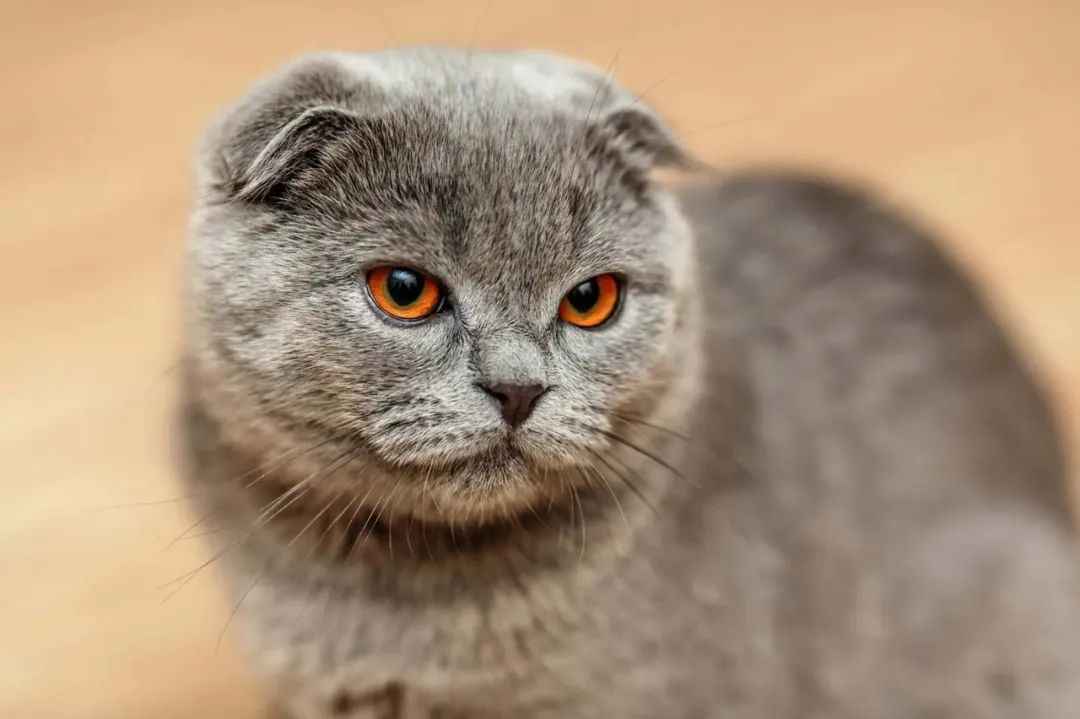
In recent years, the Scottish Fold cat has become an internet sensation, celebrated for its distinctive folded ears and owl-like appearance. However, behind the adorable facade lies a dark reality rooted in genetic abnormality and ethical debate. This breed, born from a spontaneous mutation in a Scottish barn cat named Susie in 1961, has sparked global controversy over its health implications and breeding practices.

The fold in the cat’s ears is caused by a dominant genetic mutation affecting cartilage development, leading to osteochondrodysplasia—a condition that causes chronic joint pain, bone deformities, and progressive arthritis 310. Scientific evidence confirms that all Scottish Folds, whether homozygous or heterozygous for the fold gene, suffer from varying degrees of this incurable disease. Symptoms range from stiff tails and shortened limbs to debilitating lameness, often forcing owners to consider euthanasia due to unbearable pain 311.


Despite these risks, the breed’s popularity surged, fueled by celebrity ownership. Stars like Taylor Swift and Ed Sheeran, who frequently feature their Scottish Folds on social media, inadvertently amplified demand 18. This trend has drawn criticism from animal welfare groups, including the British Veterinary Association, which calls for a breeding ban, and Germany, which classifies the practice as "torture breeding" (Qualzucht) 78.
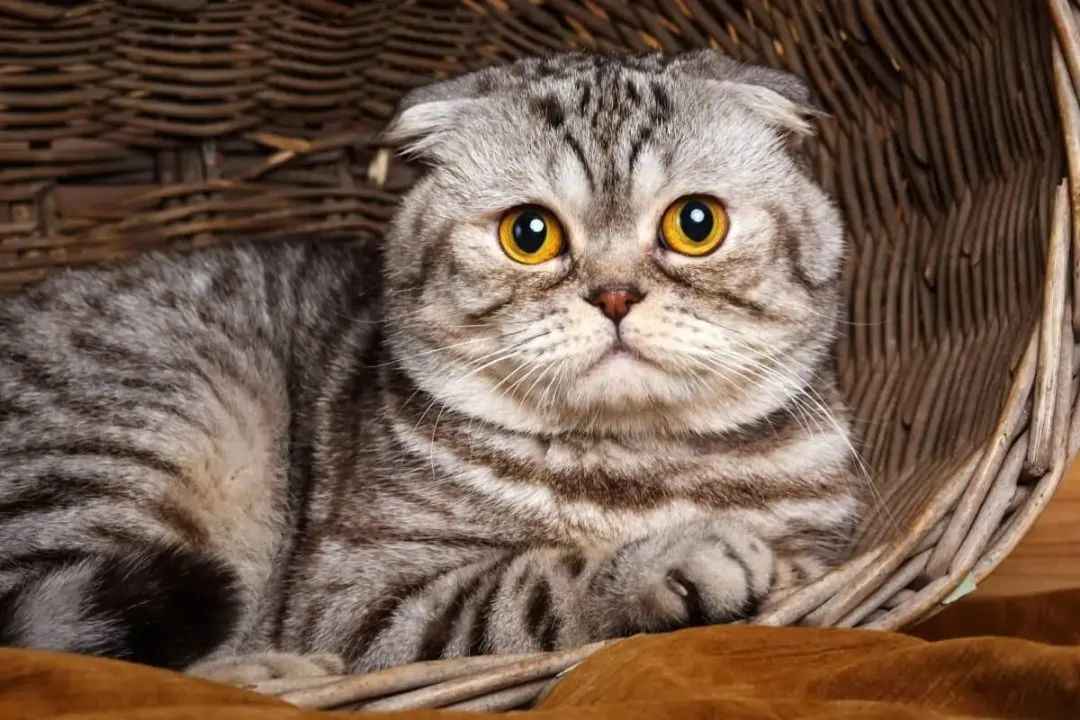
 

Source: Images from the Internet, if there is any infringement, please contact the removal of


Breeding guidelines attempt to mitigate risks by pairing Scottish Folds with straight-eared cats like British Shorthairs. However, even heterozygous kittens face lifelong health challenges. The Governing Council of the Cat Fancy (GCCF) banned breed registration in the 1970s, yet the breed remains recognized by other organizations, perpetuating its existence 412.


The Scottish Fold’s story underscores a broader crisis in pedigree breeding, where aesthetics often override animal welfare. While some argue for responsible ownership and veterinary care, critics emphasize that the breed’s very existence is inherently unethical. As awareness grows, calls to phase out Scottish Fold breeding are gaining traction, urging consumers to adopt rescue cats instead 18.


In 2025, the average cost of a Scottish Fold kitten ranges from $500 to $3,000, reflecting both its rarity and the ethical compromises embedded in its creation 9. For now, the breed’s future hangs in the balance, caught between adoration and condemnation—a poignant reminder of the price paid for human desire.

Latest Stories
Feline News2 minute readOriginating from the northwestern United States, the Pixiebob Longhair has captivated cat enthusiasts worldwide with its striking resemblance to the wild bobcat and its loyal, affectionate nature. As the long-haired variant of the Pixiebob breed, this "native new breed"—recognized by The International Cat Association (TICA)—boasts a robust physique, luxurious silky coat, and a uniquely bobbed tail, earning accolades in international cat shows.
Animal Information1 minute readOriginating in Hungary, the Komondor is a muscular large breed renowned as a fearless guardian. Historically tasked with protecting herds from wolves, this agile canine now serves as a devoted family guard dog, blending loyalty with a distinctive appearance that earned it a quirky nickname.
Feline News2 minute readThe Turkish Angora, a breed steeped in history and elegance, has captivated hearts for centuries with its striking appearance and regal demeanor. Originating from Ankara, Turkey (formerly Angora), this ancient longhair breed is believed to be the ancestor of many modern longhaired cats. Once on the brink of extinction, it was saved by dedicated conservation efforts, including a 1930s breeding program initiated by the Turkish government, which focused on preserving the iconic white-coated variety. Today, it stands as a national treasure, celebrated for its beauty and cultural significance.
Animal Information1 minute readThe humphead wrasse (Cheilinus undulatus), a majestic marine species, remains listed as endangered, facing ongoing threats to its survival in global oceans. Renowned for its impressive size, adult individuals can reach a staggering weight of 180 kilograms, making it one of the largest reef-dwelling fish in the world.
Feline News1 minute readThe Balinese cat, also known as the Bali cat or Java cat, is a charming medium - sized long - haired cat. It originated in the United States and is a long - haired mutant of the Siamese cat. It is named the Balinese cat because its movements are 酷似 those of the native Balinese dancers.
Animal Information1 minute readThe global population of Bengal tigers currently stands at approximately 24,000, but a closer look at the figures reveals a worrying reality: only around 3,200 of these majestic creatures live in their natural wild habitats, while nearly 20,000 are in captivity. This stark contrast becomes even more alarming when compared to historical records.
Animal Information1 minute readThe Atossa fritillary (Speyeria adiaste atossa), a butterfly once common in Southern California’s mountain regions, is feared extinct, with no confirmed sightings since 1959. Characterized by its broad wings decorated with elegant black spots, the species once thrived across the area’s rugged landscapes.