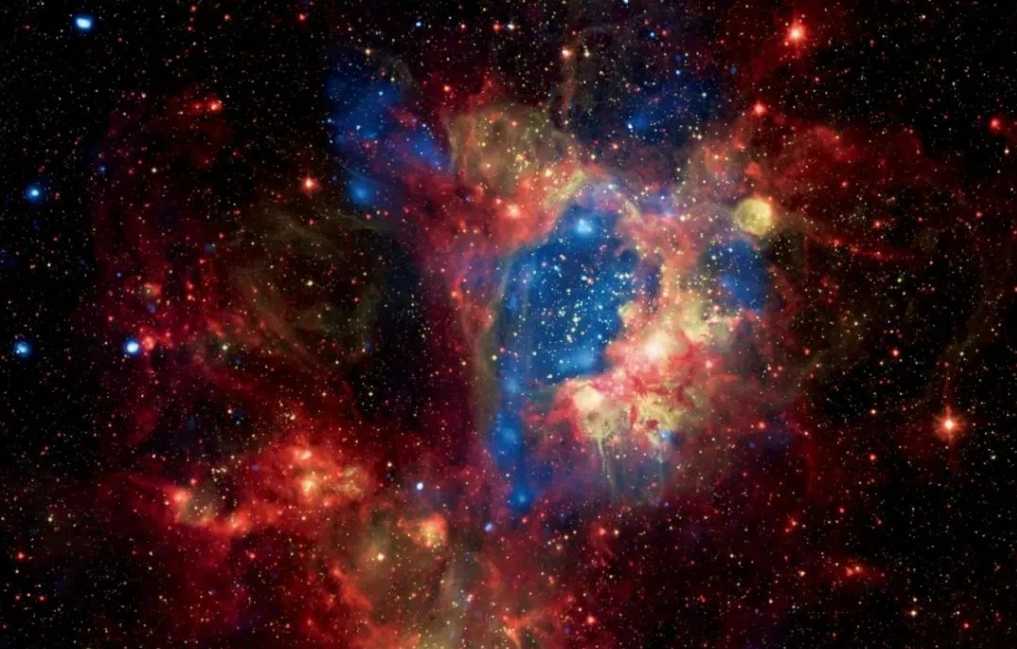
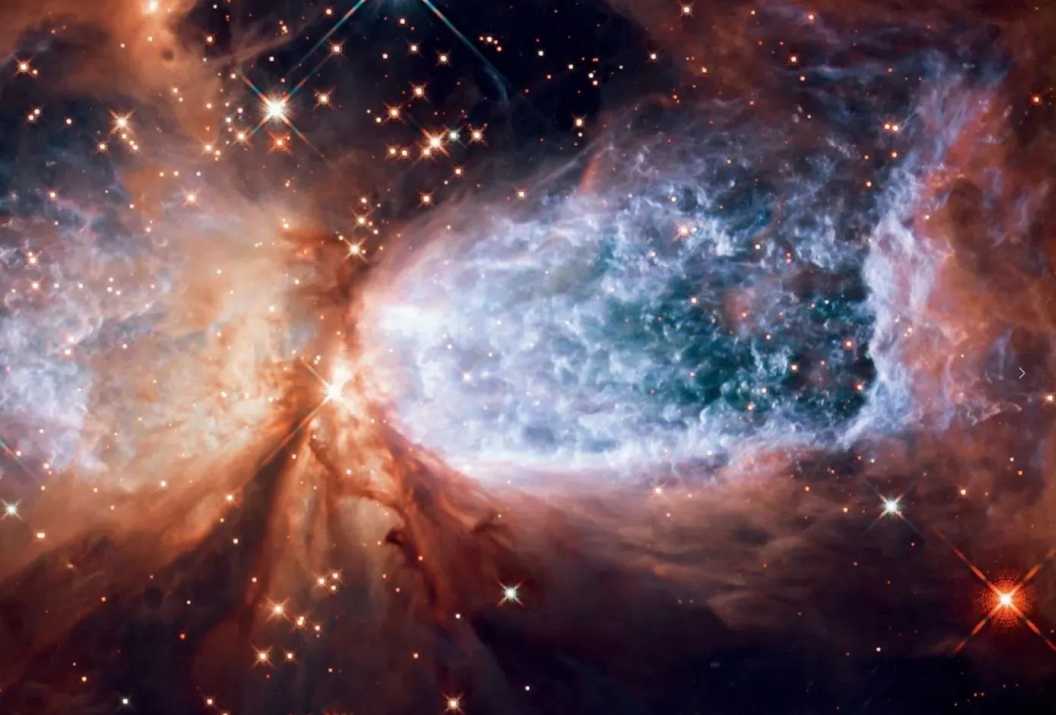
The Cosmic Snow Angel: Hubble Captures S106 IR's Star - Forming Region
In the vast expanse of the constellation Cygnus, about 2000 light - years from Earth, lies a remarkable star - forming region centered around the young star S106 IR. The powerful radiation emitted by this star has enabled the Hubble Space Telescope to capture an image of the surrounding gas and dust, which strikingly resembles a celestial snow angel, a sight that has captivated astronomers and space enthusiasts alike.
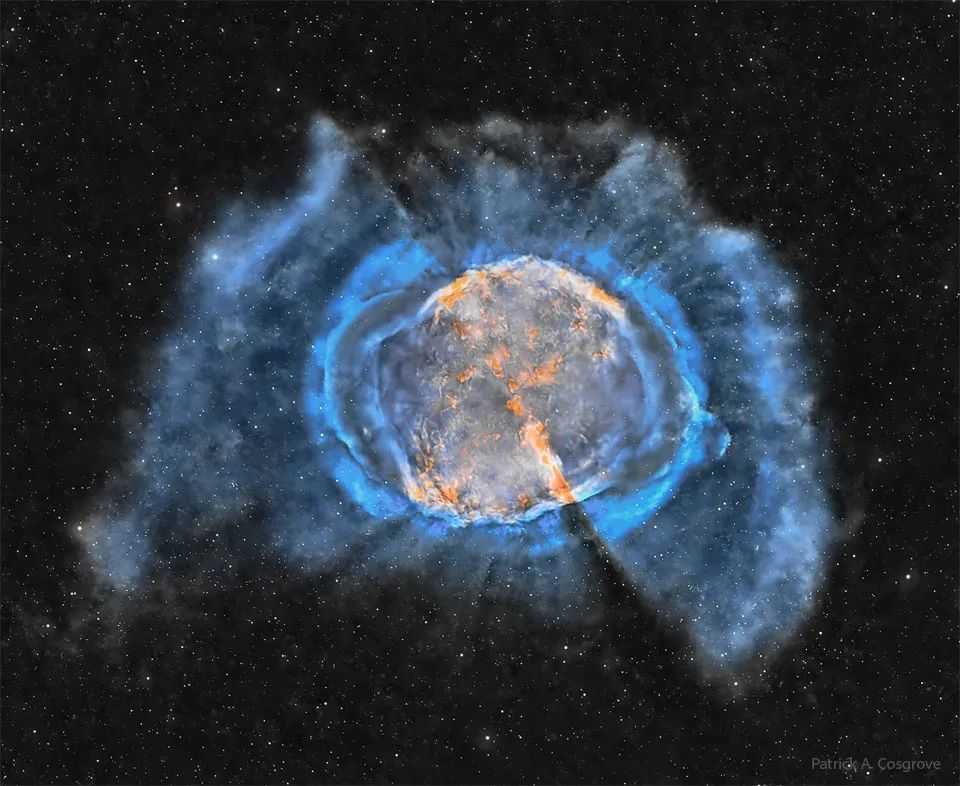
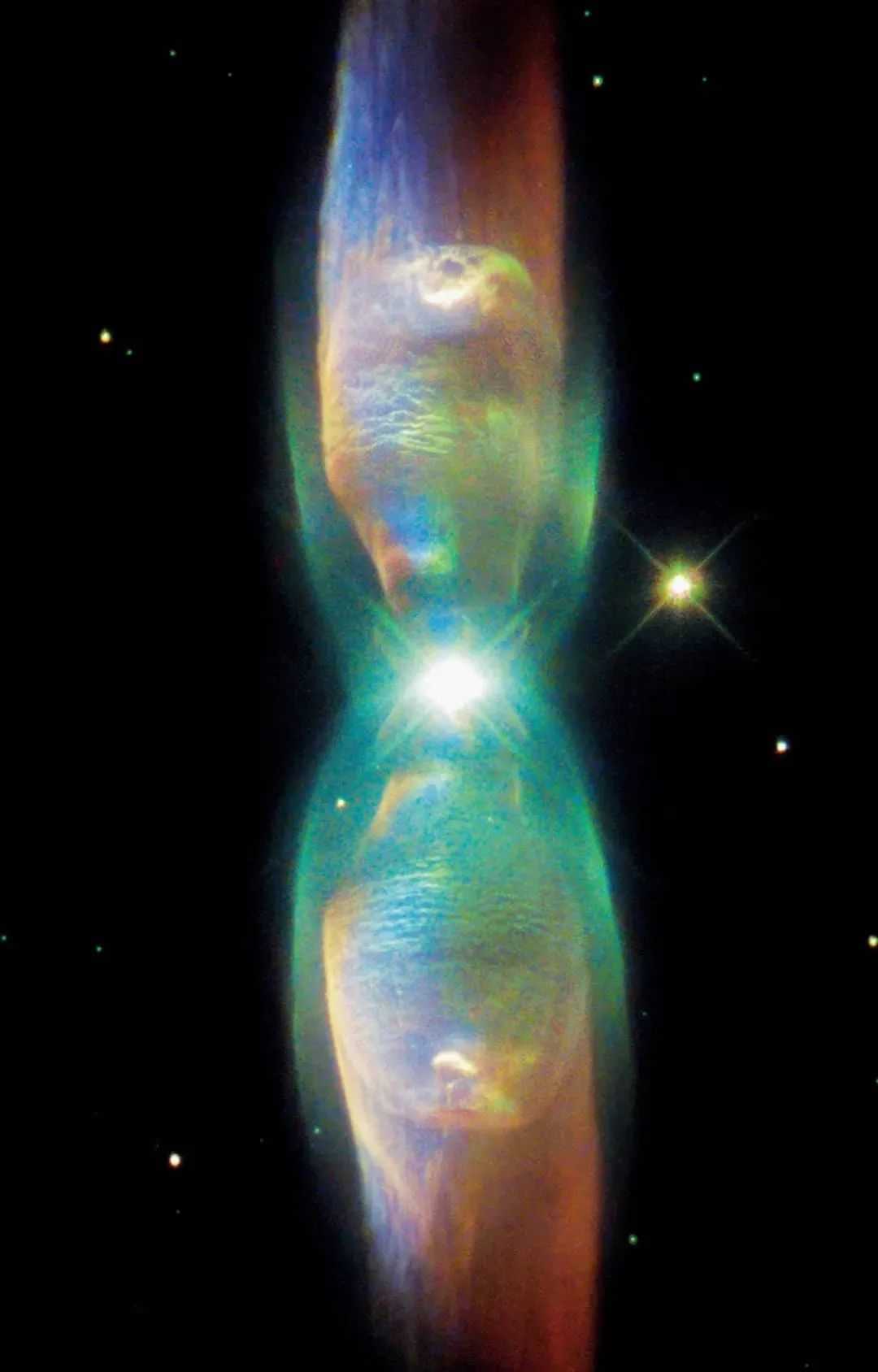
A Bipolar Planetary Nebula: The Cosmic Legacy of a Binary Star System
Deep within the cosmos lies a stunning example of stellar evolution: a bipolar planetary nebula, formed approximately 1,200 years ago as the final act of a binary star system’s life cycle. This celestial spectacle, born from the interaction between a red giant and a white dwarf, showcases the dramatic processes that shape the universe’s most intricate gaseous envelopes.
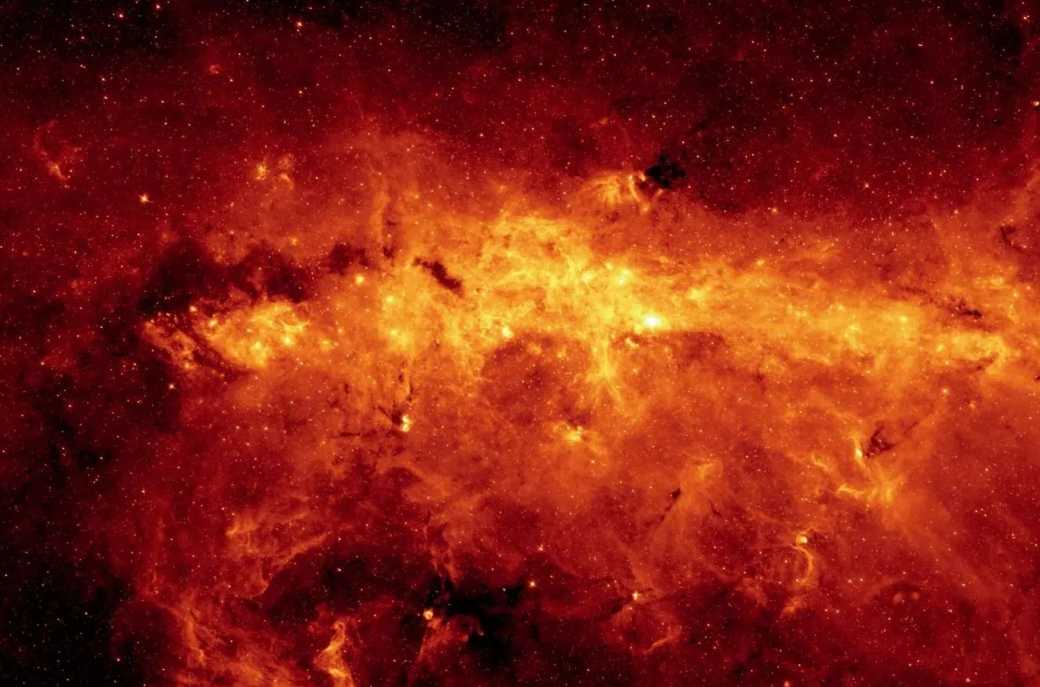
Spitzer's Infrared Glimpse into the Heart of the Milky Way
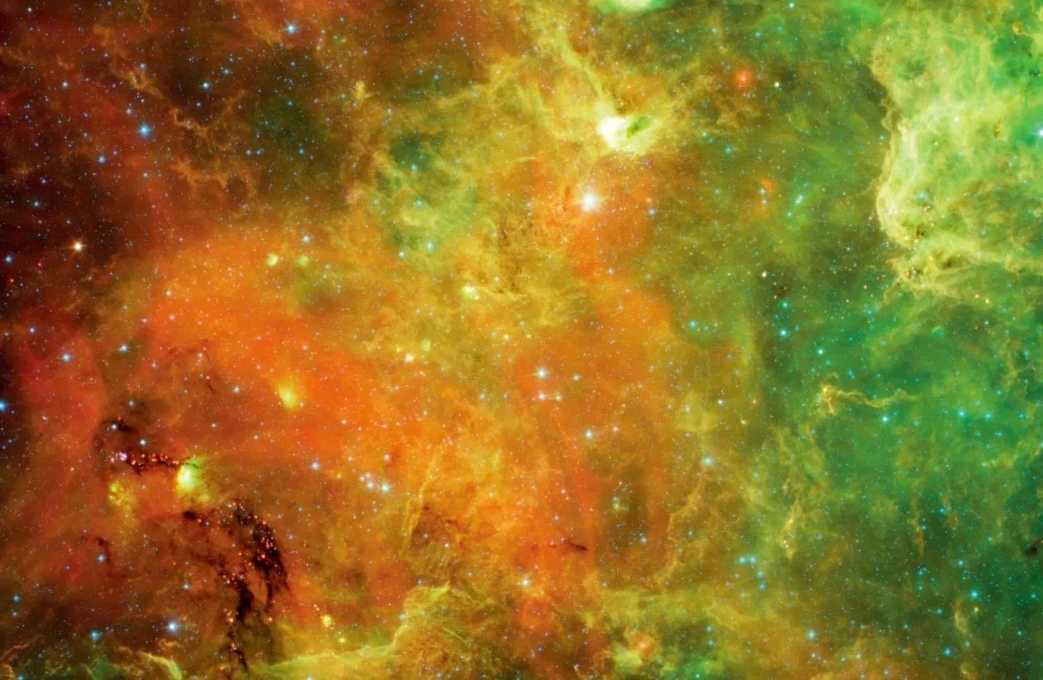
A remarkable image captured by NASA's Spitzer Space Telescope has unveiled the hidden splendor of the Milky Way's central region. In visible light, this area is veiled by thick clouds of obscuring dust and gas. However, Spitzer's infrared cameras have pierced through these obstructions, presenting a breathtaking view of the crowded galactic core.
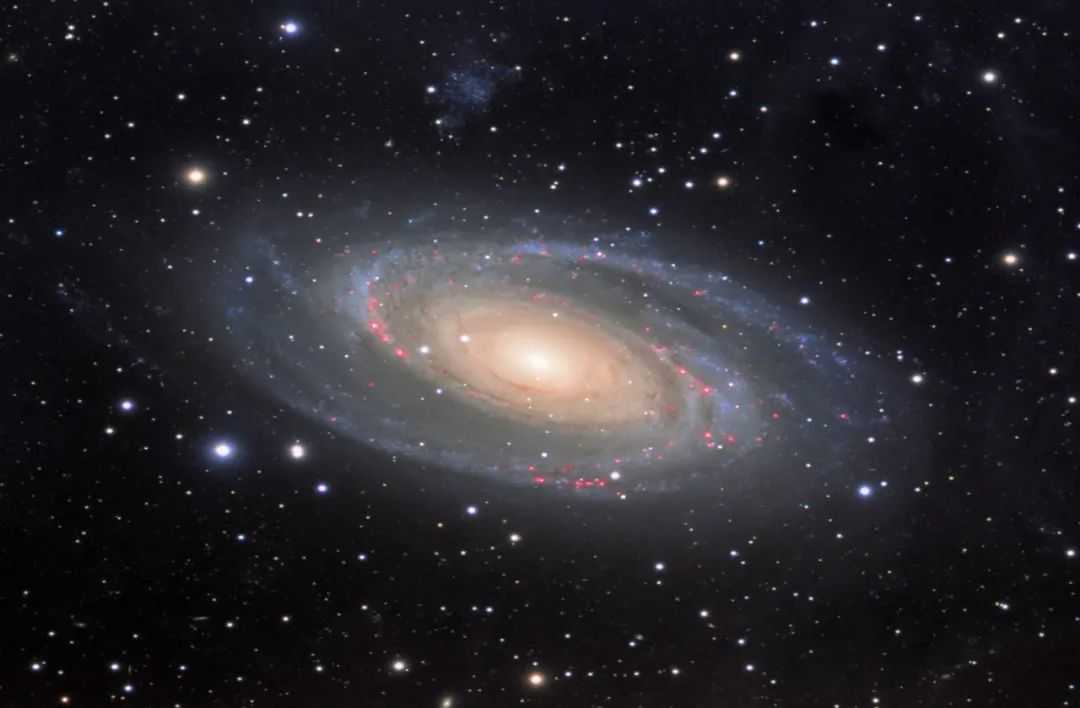
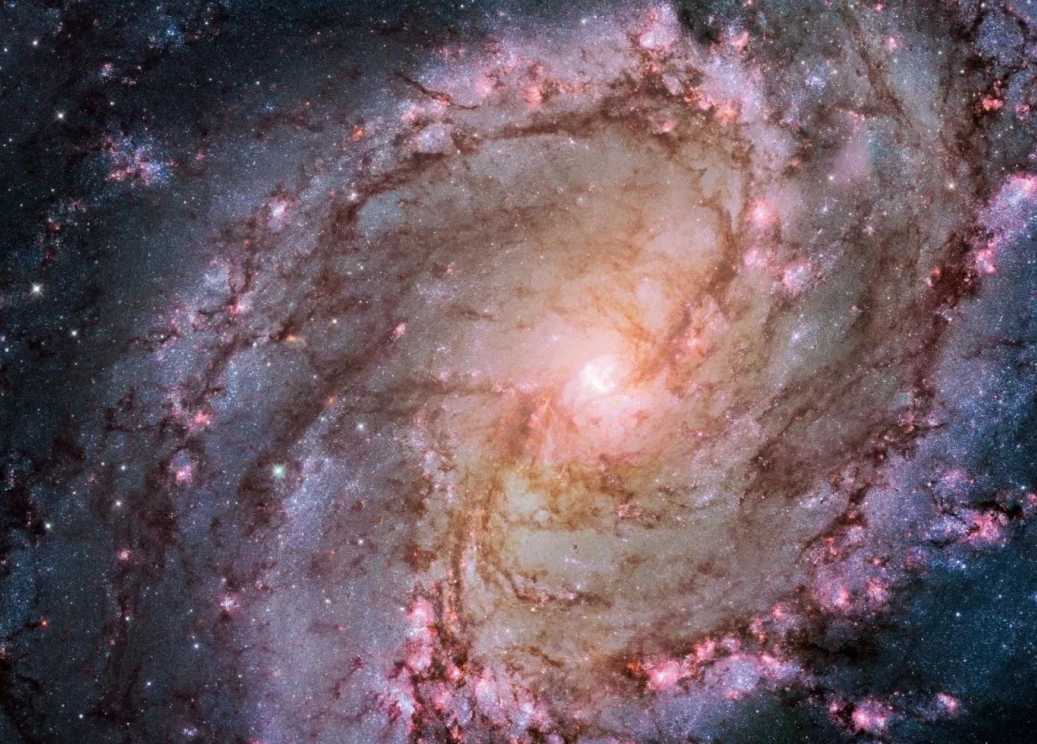
M83, the Southern Pinwheel Galaxy: A Stellar Beauty in Hydra's Vicinity
Nestled near the constellation Hydra, the barred spiral galaxy M83 shines as a captivating cosmic spectacle, earning its nickname the "Southern Pinwheel" from its striking spiral arms. Located approximately 15 million light-years from Earth, this galaxy showcases the dynamic interplay of star formation, gravity, and interstellar matter, offering astronomers and stargazers a vivid window into the universe’s grand design.
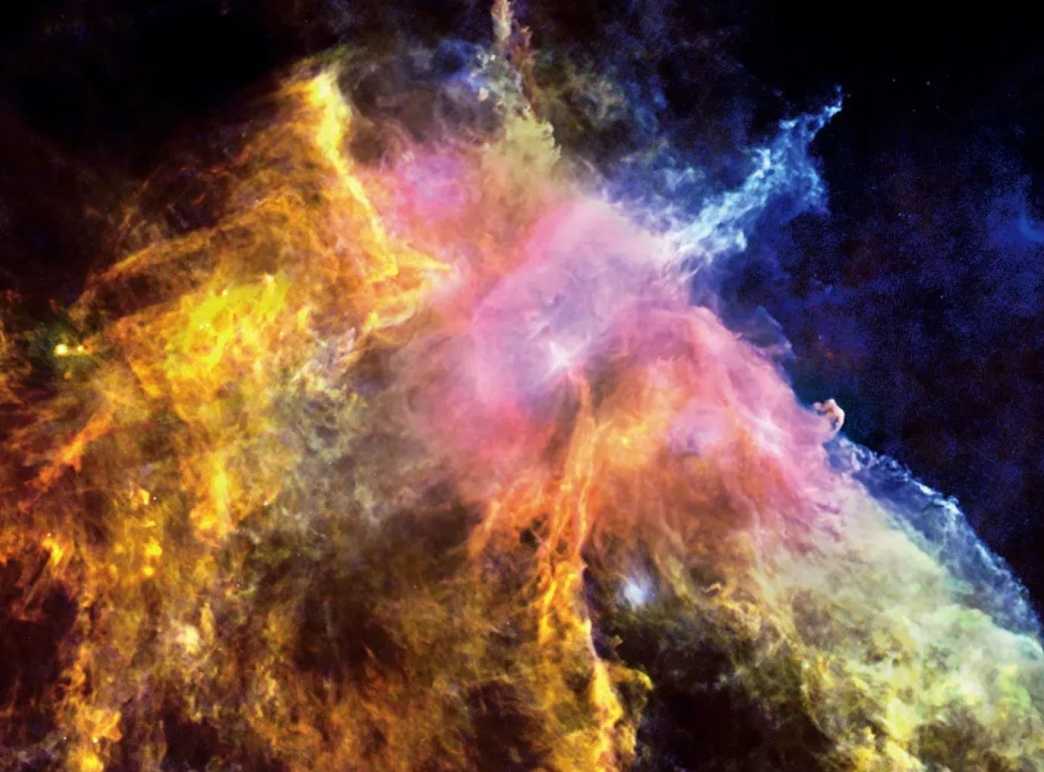
Young Stars in Orion B Molecular Cloud Heat Up the Surrounding Dust
Deep within the vast expanse of our Milky Way galaxy, a cosmic drama unfolds in the Orion B molecular cloud. Located between 1000 and 1400 light - years from our Solar System, this region is a bustling nursery for new stars. Here, young, energetic stars are hard at work, heating the surrounding dust and creating a mesmerizing display of cosmic activity.
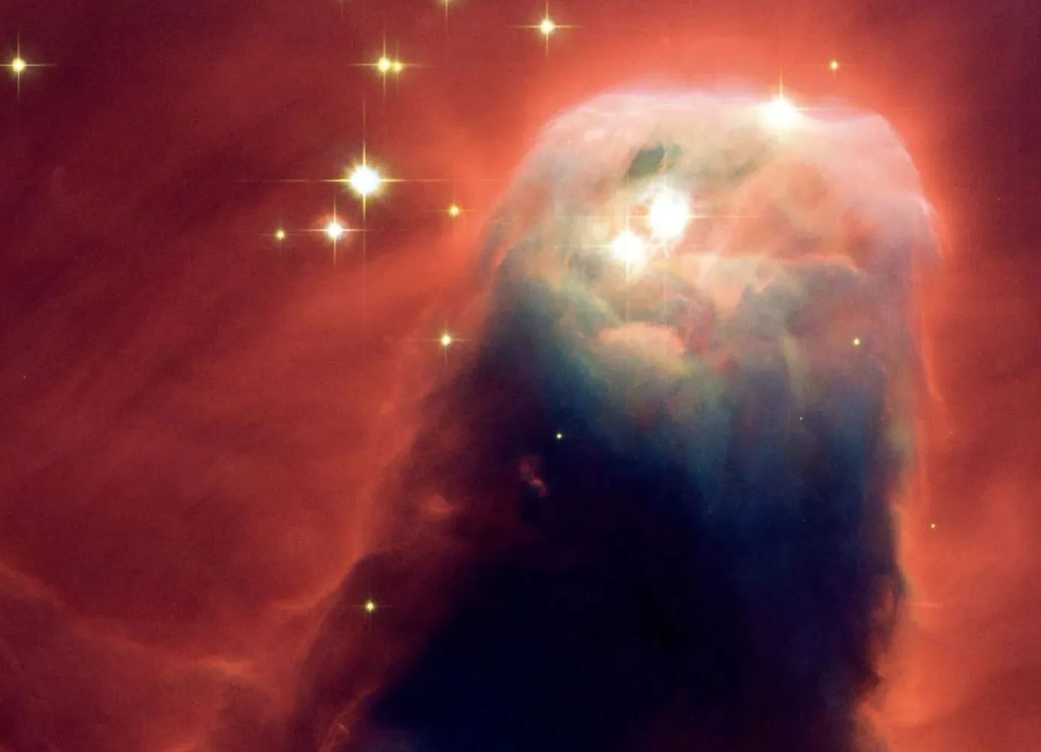
The Cone Nebula within NGC 2264 in Monoceros: A Cosmic Sculpture
Nestled in the constellation Monoceros, the Cone Nebula, part of the NGC 2264 complex, is a captivating sight. Located around 2,500 light - years from the Solar System, this nebula is a testament to the dynamic processes of star formation, with its unique shape and the energetic interplay between young stars and surrounding matter.
The Sun: The Life - Giving Star at the Heart of Our Solar System
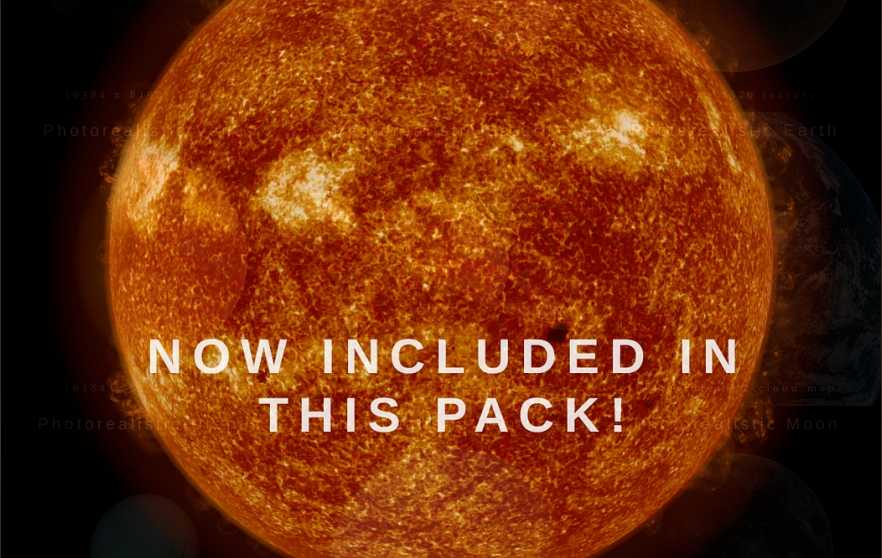
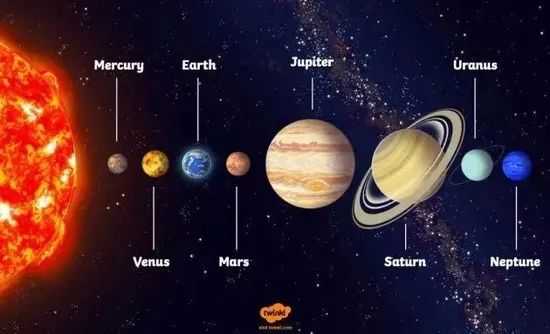
The Sun, a colossal ball of glowing plasma, reigns supreme at the center of our solar system. This G - type main - sequence star, often informally called a yellow dwarf, is the most dominant object in our cosmic neighborhood. Its influence extends far and wide, making life on Earth possible and governing the motions of planets, asteroids, and comets.