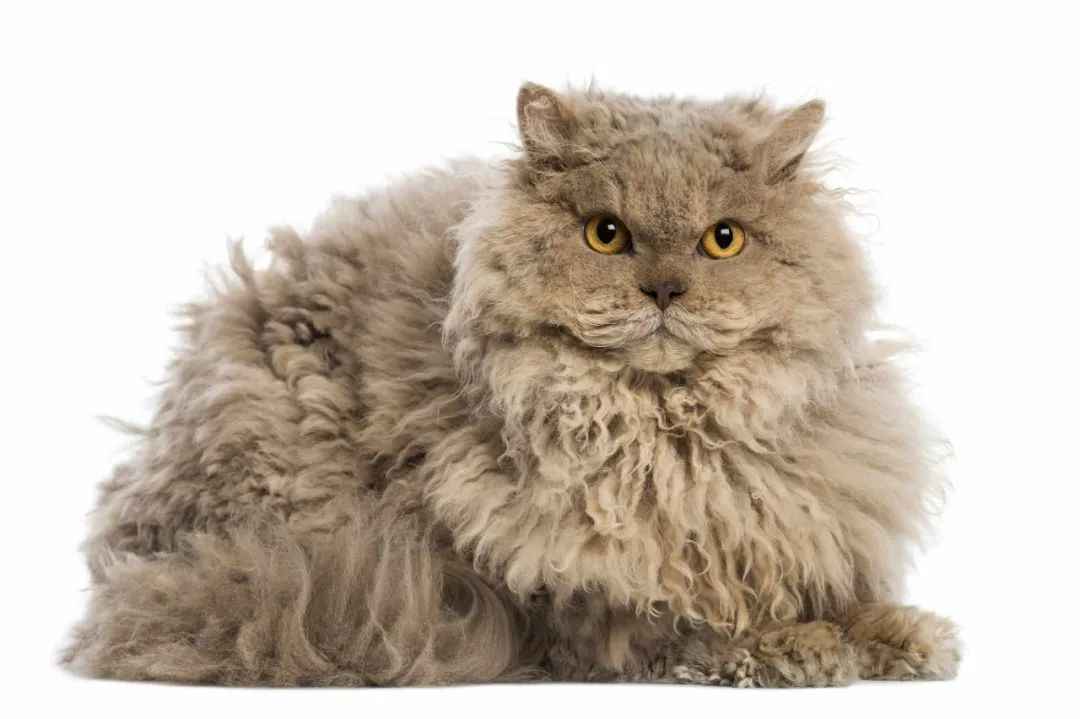
The Selkirk Rex Longhair, a captivating feline with a coat resembling a cloud of curls, has charmed cat lovers worldwide since its accidental discovery in 1987. Originating from a curly-coated kitten named Miss DePesto found in a Montana shelter, this breed was developed through intentional crossbreeding with Persians, American Shorthairs, and British Shorthairs to enhance its genetic diversity . Recognized by major cat associations like TICA in 1992 and CFA in 1998, the Selkirk Rex Longhair stands out for its plush, springy curls and gentle demeanor .
This medium-to-large breed boasts a muscular build and a round, full-cheeked face with expressive round eyes. The longhair variety features a luxuriously curly coat—particularly dense around the neck, flanks, and tail—that feels as soft as a teddy bear. Unlike other rex breeds, its curls are loose and resilient, with whiskers that often break but grow back naturally . Coat colors span all genetic possibilities, from solid hues to intricate patterns, adding to its visual appeal .
Selkirk Rex Longhairs are renowned for their affectionate and laid-back nature. They thrive on human companionship, often following owners around the house or curling up nearby while they work. These cats are patient with children and adaptable to multi-pet households, making them ideal family pets . While kittens exhibit playful bursts of energy, adults tend to prefer gentle interactions and cozy naps. Their intelligence shines through in their ability to form deep bonds, though they’re less inclined to learn tricks than to shower love on their caregivers .
Despite their luxurious appearance, Selkirk Rex Longhairs require moderate maintenance. Weekly brushing with a wire pin brush prevents matting, especially in sensitive areas like the neck and underarms . Bathing every 4–6 weeks helps keep their coat healthy, while regular nail trimming and ear cleaning are essential. Their dense curls trap dander effectively, but they are not hypoallergenic, so allergy sufferers should exercise caution . A balanced diet rich in omega fatty acids supports skin and coat health, while interactive toys prevent obesity—a common concern in sedentary individuals .
Generally robust, Selkirk Rex Longhairs may inherit health issues from their Persian and British Shorthair ancestors, including hypertrophic cardiomyopathy (HCM), polycystic kidney disease (PKD), and dental problems. Reputable breeders screen for these conditions, ensuring kittens receive genetic testing and proper veterinary care . Regular check-ups and a proactive approach to diet and exercise are key to maintaining their well-being.
The Selkirk Rex Longhair’s unique combination of striking looks and loving personality has solidified its place as a cherished companion. Whether lounging on a windowsill or nuzzling into a lap, these cats embody the perfect blend of elegance and warmth. As CFA notes, they may not win every beauty pageant, but they “always win the title of Miss Congeniality” . For those seeking a feline friend that feels like a living teddy bear, the Selkirk Rex Longhair is a curly-coated dream come true.
Original Chinese Article Rewritten & Translated by [Your Name/Organization]
For more updates on feline breeds, follow our pet news section.
This article adheres to international journalistic standards, prioritizing accuracy and reader engagement. The content is sourced from reputable breed organizations and verified through cross-referencing