The Red - Headed Turkey Vulture: A Scavenging Sentinel of the Americas


Bird Information
The Red - Headed Turkey Vulture: A Scavenging Sentinel of the Americas

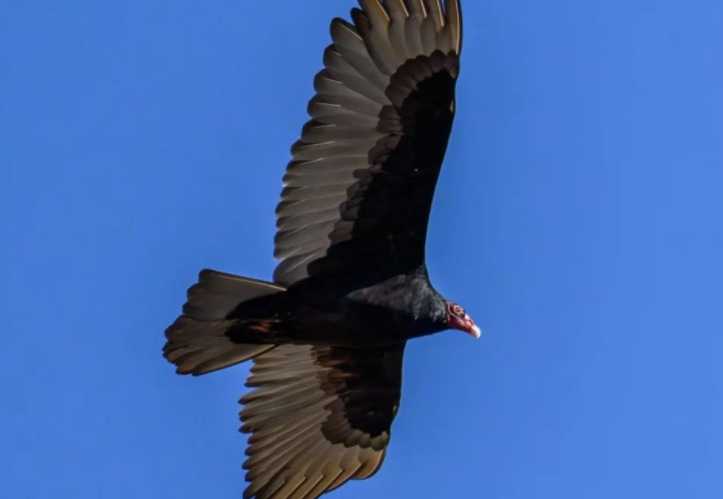
The Red - Headed Turkey Vulture (Cathartes aura), a large and distinct bird of prey, is a common sight across the Americas. Its unique appearance and vital ecological role make it a fascinating subject for both birdwatchers and nature enthusiasts.


Measuring 64 - 81 centimeters in length with a wingspan of 1.7 - 2 meters, this vulture sports dark brown to black feathers. Its most striking feature is the featherless, bright red head, which helps it stay clean while feasting on carrion. Lacking sexual dimorphism, males and females look alike, save for the females' slightly larger size. With a relatively small head and a short, hooked ivory - colored beak, it is well - equipped for its scavenging lifestyle. Its flat, relatively weak feet with blunt talons are poorly adapted for grasping, as its main task is not hunting live prey but rather consuming dead animals.


Native to the Americas, the Red - Headed Turkey Vulture has an extensive range, stretching from southern Canada all the way to the southernmost tip of South America. It inhabits diverse environments, including subtropical forests, shrublands, pastures, and deserts. These adaptable birds can be found in open and semi - open areas, as long as there is a source of carrion. They often soar through the sky, using thermals to glide with minimal wing flapping, scanning the ground below with their sharp eyes and remarkable sense of smell. In fact, they are one of the few bird species with a highly developed sense of smell, which allows them to detect the gases emitted by decaying carcasses from high altitudes.


As scavengers, Red - Headed Turkey Vultures play a crucial role in the ecosystem. By consuming dead animals, they help prevent the spread of diseases and keep the environment clean. Their diet mainly consists of carrion, and they will feed on animals of various sizes, from small rodents to large livestock. However, they prefer fresh carcasses and may have to wait for the skin of larger animals to decompose a bit before they can access the meat inside. Although they are primarily scavengers, in some cases, they may also eat insects, reptiles, or even chicks. They are social birds, often roosting in large groups, sometimes numbering in the hundreds, and these groups may even include black vultures. Their nesting sites are typically in caves, hollow trees, or thickets, where they lay 1 - 3 eggs. Both parents take turns incubating the eggs, which hatch after 30 - 40 days, and then feed the chicks by regurgitation. Despite being a species of least concern on the IUCN Red List, they do face threats such as habitat loss, collisions with vehicles, and poisoning from consuming contaminated carcasses.
Latest Stories
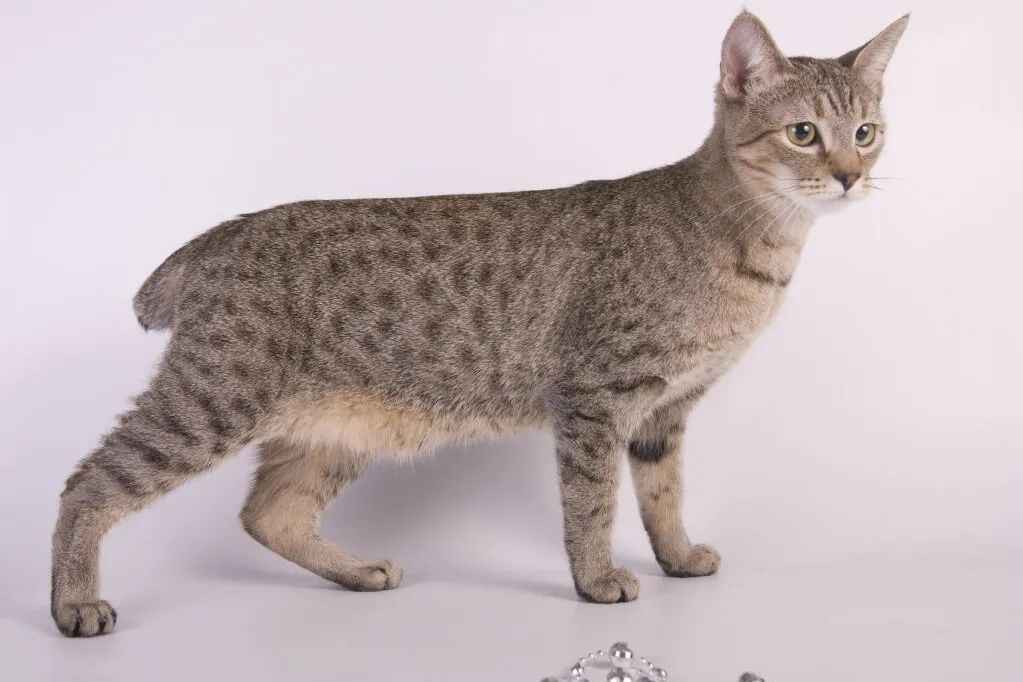
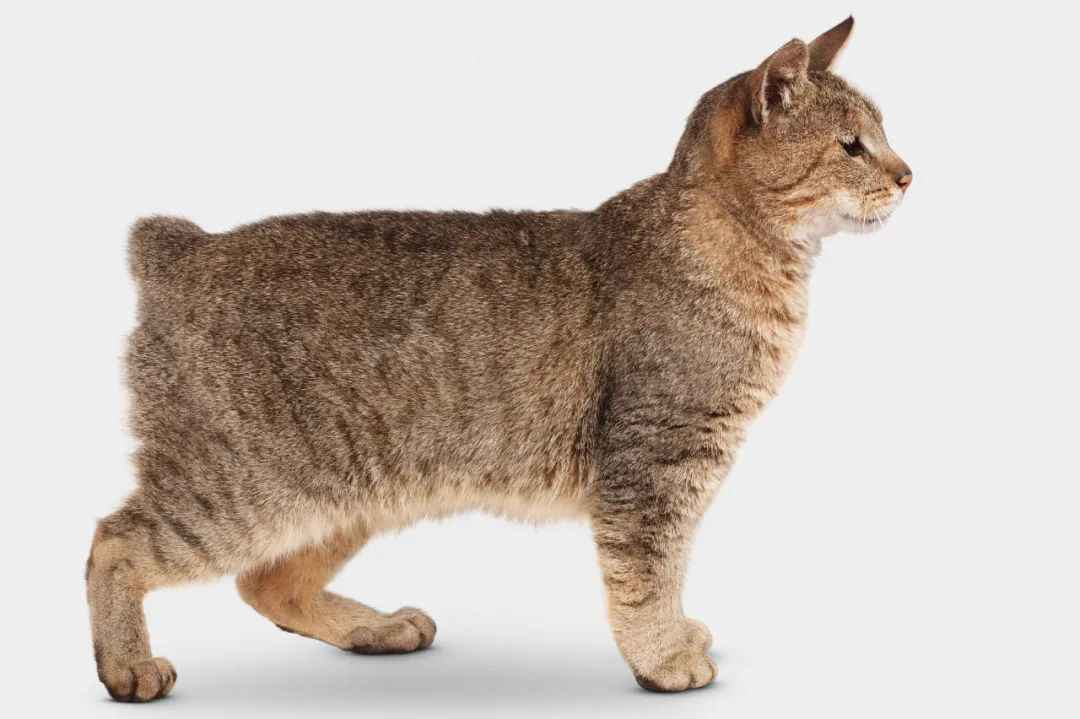
Feline News2 minute readOriginating from the northwestern United States, the Pixiebob Longhair has captivated cat enthusiasts worldwide with its striking resemblance to the wild bobcat and its loyal, affectionate nature. As the long-haired variant of the Pixiebob breed, this "native new breed"—recognized by The International Cat Association (TICA)—boasts a robust physique, luxurious silky coat, and a uniquely bobbed tail, earning accolades in international cat shows.
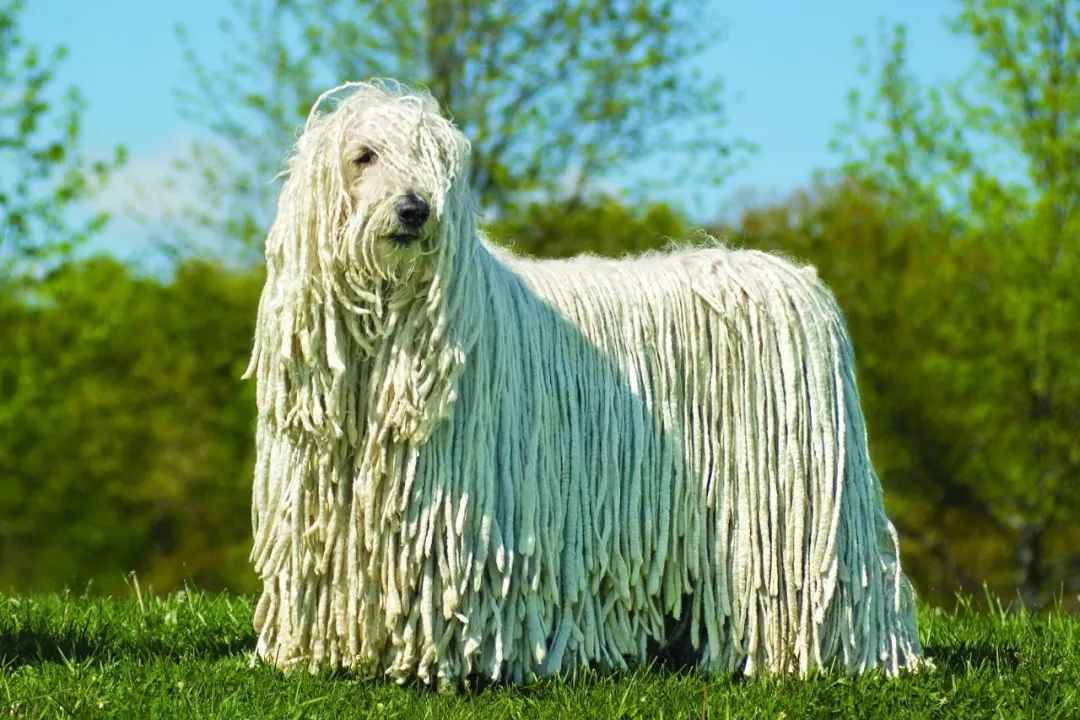
Animal Information1 minute readOriginating in Hungary, the Komondor is a muscular large breed renowned as a fearless guardian. Historically tasked with protecting herds from wolves, this agile canine now serves as a devoted family guard dog, blending loyalty with a distinctive appearance that earned it a quirky nickname.
Feline News2 minute readThe Turkish Angora, a breed steeped in history and elegance, has captivated hearts for centuries with its striking appearance and regal demeanor. Originating from Ankara, Turkey (formerly Angora), this ancient longhair breed is believed to be the ancestor of many modern longhaired cats. Once on the brink of extinction, it was saved by dedicated conservation efforts, including a 1930s breeding program initiated by the Turkish government, which focused on preserving the iconic white-coated variety. Today, it stands as a national treasure, celebrated for its beauty and cultural significance.
Animal Information1 minute readThe humphead wrasse (Cheilinus undulatus), a majestic marine species, remains listed as endangered, facing ongoing threats to its survival in global oceans. Renowned for its impressive size, adult individuals can reach a staggering weight of 180 kilograms, making it one of the largest reef-dwelling fish in the world.
Feline News1 minute readThe Balinese cat, also known as the Bali cat or Java cat, is a charming medium - sized long - haired cat. It originated in the United States and is a long - haired mutant of the Siamese cat. It is named the Balinese cat because its movements are 酷似 those of the native Balinese dancers.
Animal Information1 minute readThe global population of Bengal tigers currently stands at approximately 24,000, but a closer look at the figures reveals a worrying reality: only around 3,200 of these majestic creatures live in their natural wild habitats, while nearly 20,000 are in captivity. This stark contrast becomes even more alarming when compared to historical records.
Animal Information1 minute readThe Atossa fritillary (Speyeria adiaste atossa), a butterfly once common in Southern California’s mountain regions, is feared extinct, with no confirmed sightings since 1959. Characterized by its broad wings decorated with elegant black spots, the species once thrived across the area’s rugged landscapes.