Platalea ajaja: The Vibrant Roseate Spoonbill of the Americas


Bird Information
Platalea ajaja: The Vibrant Roseate Spoonbill of the Americas

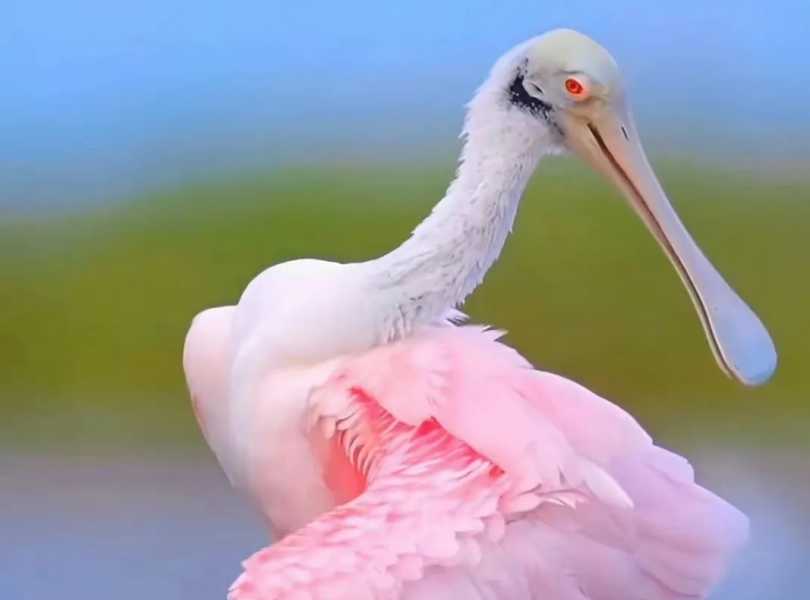
Platalea ajaja, commonly known as the roseate spoonbill, is a striking wading bird native to the warm regions of the Americas. Renowned for its vivid plumage and unique feeding behavior, this species is an iconic inhabitant of shallow wetlands and coastal ecosystems, where its presence adds a splash of color to the landscape.

Measuring 70 to 80 centimeters in length, the roseate spoonbill is impossible to miss with its brilliant pink feathers, a hue derived from the carotenoid pigments in its diet of crustaceans and small fish. The wings feature bold red-orange markings at the base, which become more pronounced during the breeding season, while the long, spatula-shaped bill—ideal for sweeping through water to detect prey—ends in a pale yellow tip. The bird’s legs are long and sturdy, adapted for wading in shallow waters, and its neck is often extended in a graceful S-curve as it forages. Juveniles exhibit paler plumage, gradually developing the adult’s vibrant colors as they mature.


Inhabiting brackish and freshwater wetlands, mangrove forests, and tidal flats from Florida and the Caribbean to South America, the roseate spoonbill thrives in environments with abundant aquatic life. Using its specialized bill, it sweeps from side to side in shallow water, sensing small fish, shrimp, crabs, and aquatic insects through touch. This feeding method, known as "scything," allows it to efficiently capture prey without relying heavily on vision. The species is social, often seen in large flocks that nest in colonies, typically in mangroves or tall grasses, where both parents share responsibilities of incubating eggs and feeding chicks.


While the roseate spoonbill was once threatened by the plume trade in the late 19th century, conservation efforts have helped stabilize populations. Today, it faces new challenges from habitat loss due to wetland drainage, pollution, and climate change, which alter water levels and reduce prey availability. Rising sea levels also threaten nesting sites in low-lying areas. Protected under international agreements and within national parks, the species serves as an indicator of wetland health. Preserving its habitats through wetland restoration, sustainable water management, and public education is crucial to ensuring the survival of this iconic bird and the biodiverse ecosystems it depends on. As a symbol of the Americas’ tropical wetlands, the roseate spoonbill reminds us of the beauty and fragility of these vital environments.

Latest Stories
Feline News2 minute readOriginating from the northwestern United States, the Pixiebob Longhair has captivated cat enthusiasts worldwide with its striking resemblance to the wild bobcat and its loyal, affectionate nature. As the long-haired variant of the Pixiebob breed, this "native new breed"—recognized by The International Cat Association (TICA)—boasts a robust physique, luxurious silky coat, and a uniquely bobbed tail, earning accolades in international cat shows.
Animal Information1 minute readOriginating in Hungary, the Komondor is a muscular large breed renowned as a fearless guardian. Historically tasked with protecting herds from wolves, this agile canine now serves as a devoted family guard dog, blending loyalty with a distinctive appearance that earned it a quirky nickname.
Feline News2 minute readThe Turkish Angora, a breed steeped in history and elegance, has captivated hearts for centuries with its striking appearance and regal demeanor. Originating from Ankara, Turkey (formerly Angora), this ancient longhair breed is believed to be the ancestor of many modern longhaired cats. Once on the brink of extinction, it was saved by dedicated conservation efforts, including a 1930s breeding program initiated by the Turkish government, which focused on preserving the iconic white-coated variety. Today, it stands as a national treasure, celebrated for its beauty and cultural significance.
Animal Information1 minute readThe humphead wrasse (Cheilinus undulatus), a majestic marine species, remains listed as endangered, facing ongoing threats to its survival in global oceans. Renowned for its impressive size, adult individuals can reach a staggering weight of 180 kilograms, making it one of the largest reef-dwelling fish in the world.
Feline News1 minute readThe Balinese cat, also known as the Bali cat or Java cat, is a charming medium - sized long - haired cat. It originated in the United States and is a long - haired mutant of the Siamese cat. It is named the Balinese cat because its movements are 酷似 those of the native Balinese dancers.
Animal Information1 minute readThe global population of Bengal tigers currently stands at approximately 24,000, but a closer look at the figures reveals a worrying reality: only around 3,200 of these majestic creatures live in their natural wild habitats, while nearly 20,000 are in captivity. This stark contrast becomes even more alarming when compared to historical records.
Animal Information1 minute readThe Atossa fritillary (Speyeria adiaste atossa), a butterfly once common in Southern California’s mountain regions, is feared extinct, with no confirmed sightings since 1959. Characterized by its broad wings decorated with elegant black spots, the species once thrived across the area’s rugged landscapes.