Fregata magnificens: The Regal Magnificent Frigatebird of Tropical Oceans


Bird Information
Fregata magnificens: The Regal Magnificent Frigatebird of Tropical Oceans

Fregata magnificens, commonly known as the magnificent frigatebird, is a towering seabird that commands the skies over tropical marine ecosystems. With its imposing size and aerial prowess, this species is a symbol of the open ocean’s grandeur, thriving in the warm waters and island-dotted landscapes of the tropics.

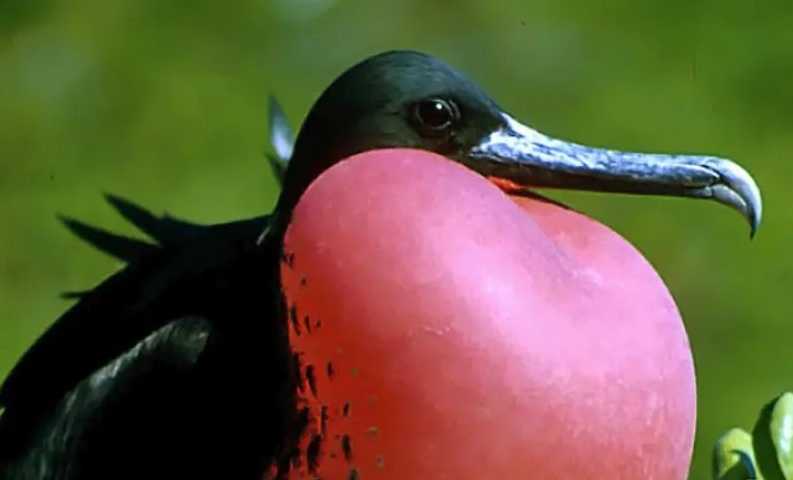
Reaching approximately 1 meter in length and boasting a wingspan exceeding 2 meters, the magnificent frigatebird is a master of flight. Its sleek, all-black plumage—with males featuring a vibrant red gular pouch that inflates during mating displays—contrasts sharply against the azure ocean. Long, narrow wings and a deeply forked tail enable it to soar effortlessly for days, using thermals and updrafts to cover vast distances without flapping. This adaptation makes it one of the most efficient gliders in the avian world, capable of staying aloft for weeks while hunting over the open sea.


Inhabiting tropical and subtropical oceanic islands from the Caribbean to the Pacific, the magnificent frigatebird rarely lands on water due to its water-repellent feathers and lack of waterproofing. Instead, it feeds by swooping low over the ocean’s surface to snatch fish, squid, and jellyfish near the water’s edge. A skilled aerial pirate, it also harasses other seabirds, such as boobies and terns, to steal their catches—a behavior known as "kleptoparasitism." During the breeding season, males gather in colonies, inflating their scarlet pouches and performing elaborate sky dances to attract females. Nests are built on cliff edges or in trees, where females lay a single egg, and both parents share incubation and chick-rearing duties over a prolonged period.


While the magnificent frigatebird is currently listed as a species of least concern, it faces indirect threats from human activities. Plastic pollution in oceans poses a risk, as ingestion of debris can harm chicks and adults alike. Overfishing and climate change-induced shifts in prey distribution also impact its food sources. Conservation efforts focus on reducing marine litter, protecting nesting islands, and promoting sustainable fishing practices to ensure the health of its ecosystem. As a top predator and a keystone species in tropical marine food webs, the magnificent frigatebird underscores the interconnectedness of ocean health and avian survival. By safeguarding these regal seabirds and their habitats, we preserve the wild beauty and ecological integrity of the world’s tropical oceans.
Latest Stories
Feline News2 minute readOriginating from the northwestern United States, the Pixiebob Longhair has captivated cat enthusiasts worldwide with its striking resemblance to the wild bobcat and its loyal, affectionate nature. As the long-haired variant of the Pixiebob breed, this "native new breed"—recognized by The International Cat Association (TICA)—boasts a robust physique, luxurious silky coat, and a uniquely bobbed tail, earning accolades in international cat shows.
Animal Information1 minute readOriginating in Hungary, the Komondor is a muscular large breed renowned as a fearless guardian. Historically tasked with protecting herds from wolves, this agile canine now serves as a devoted family guard dog, blending loyalty with a distinctive appearance that earned it a quirky nickname.
Feline News2 minute readThe Turkish Angora, a breed steeped in history and elegance, has captivated hearts for centuries with its striking appearance and regal demeanor. Originating from Ankara, Turkey (formerly Angora), this ancient longhair breed is believed to be the ancestor of many modern longhaired cats. Once on the brink of extinction, it was saved by dedicated conservation efforts, including a 1930s breeding program initiated by the Turkish government, which focused on preserving the iconic white-coated variety. Today, it stands as a national treasure, celebrated for its beauty and cultural significance.
Animal Information1 minute readThe humphead wrasse (Cheilinus undulatus), a majestic marine species, remains listed as endangered, facing ongoing threats to its survival in global oceans. Renowned for its impressive size, adult individuals can reach a staggering weight of 180 kilograms, making it one of the largest reef-dwelling fish in the world.
Feline News1 minute readThe Balinese cat, also known as the Bali cat or Java cat, is a charming medium - sized long - haired cat. It originated in the United States and is a long - haired mutant of the Siamese cat. It is named the Balinese cat because its movements are 酷似 those of the native Balinese dancers.
Animal Information1 minute readThe global population of Bengal tigers currently stands at approximately 24,000, but a closer look at the figures reveals a worrying reality: only around 3,200 of these majestic creatures live in their natural wild habitats, while nearly 20,000 are in captivity. This stark contrast becomes even more alarming when compared to historical records.
Animal Information1 minute readThe Atossa fritillary (Speyeria adiaste atossa), a butterfly once common in Southern California’s mountain regions, is feared extinct, with no confirmed sightings since 1959. Characterized by its broad wings decorated with elegant black spots, the species once thrived across the area’s rugged landscapes.