Arctic Legacy: The Endangered Chinook Dog’s Struggle for Survival and Resilience Subtitle: American sled dog breed, known for endurance and loyalty, battles extinction through global conservation effo


Canine News
Arctic Legacy: The Endangered Chinook Dog’s Struggle for Survival and Resilience Subtitle: American sled dog breed, known for endurance and loyalty, battles extinction through global conservation effo

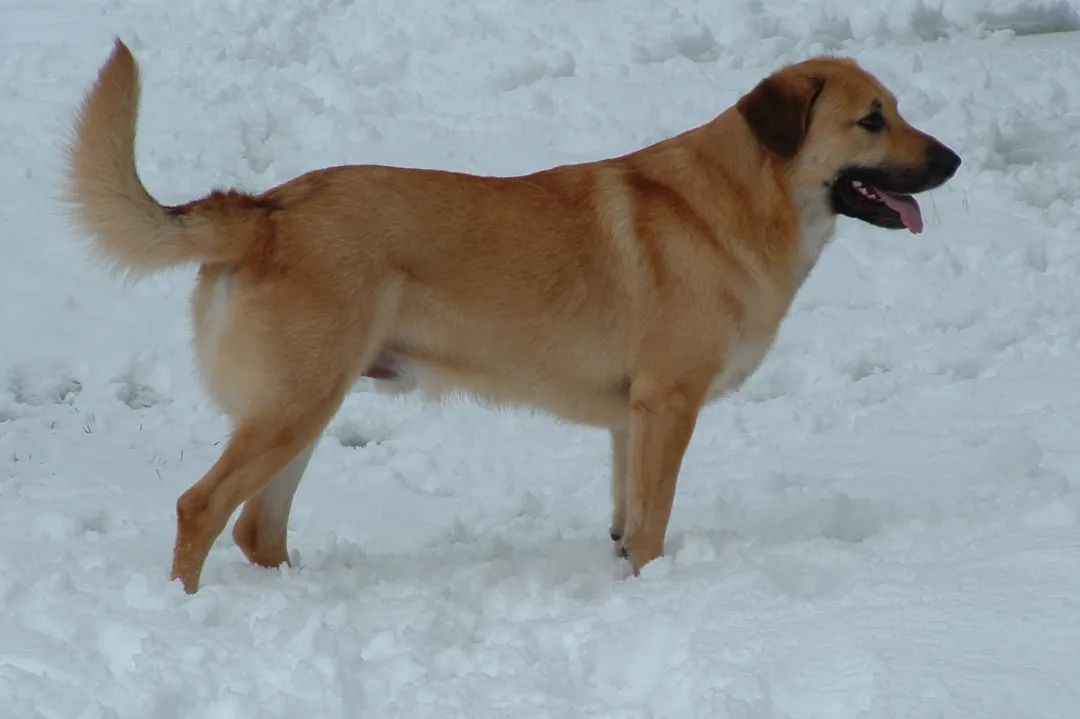
The Chinook, a sled dog breed originating from New Hampshire, traces its roots to 1917 when explorer Arthur Treadwell Walden crossed a Greenland Husky with a mastiff-type dog to create a breed combining strength, stamina, and a gentle temperament. Named after the Alaskan warm wind “Chinook,” these dogs gained fame in 1928 for their pivotal role in Admiral Richard Byrd’s Antarctic expedition, serving as the backbone of transportation in subzero conditions48.


Size and Temperament: A Blend of Power and Gentleness
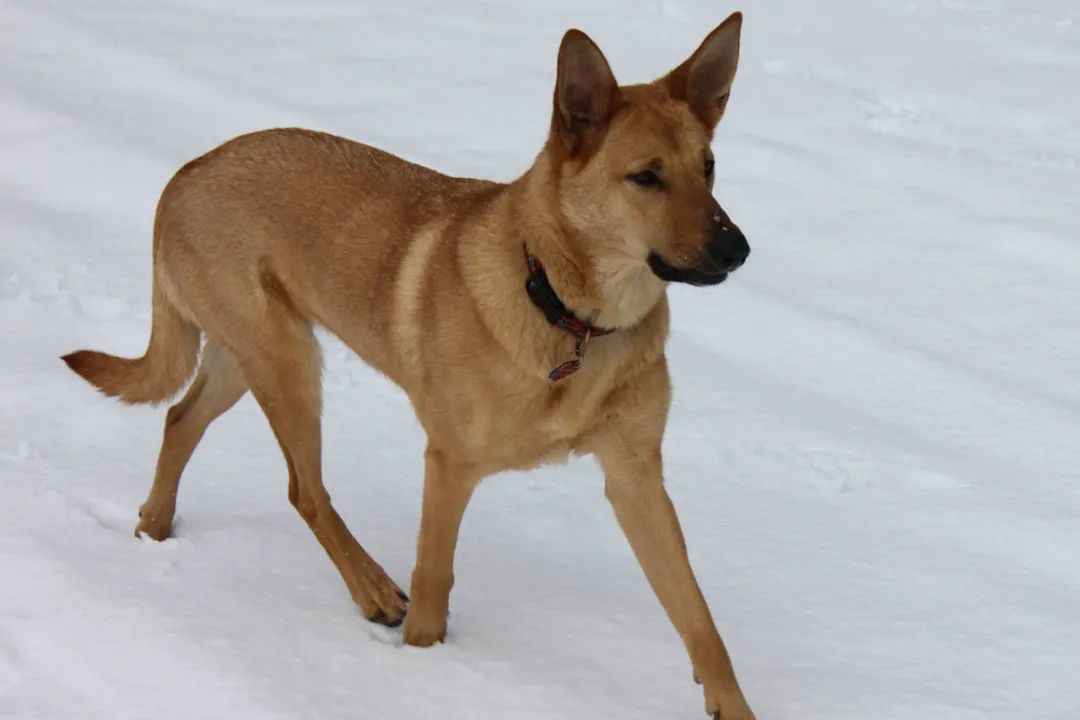
Standing 53–69 cm tall and weighing 25–41 kg, Chinooks feature a dense double coat in tawny hues with black markings, ideal for harsh climates. Their loyal, affectionate nature makes them exceptional family companions, while their intelligence and trainability suit roles in search-and-rescue, therapy, and competitive sports719. However, their high energy and independent streak require dedicated exercise and structured training to prevent destructive behavior1219.


Source: Images from the Internet, if there is any infringement, please contact the removal of


Endangered Status and Genetic Challenges
The breed faced near-extinction in the 1970s, with only 11 breeding dogs surviving a severe bottleneck. Despite recovery efforts, the Chinook remains critically endangered, with an effective population size of just 11 in 2025, leading to genetic disorders like epilepsy and hip dysplasia18. Recognized by the American Kennel Club (AKC) in 2013, the breed holds symbolic status as New Hampshire’s state dog, driving conservation initiatives1113.


Modern Relevance and Public Advocacy
In June 2025, Euclid, Ohio, honored fallen police officer Jacob Derbin by naming its new K-9 unit “Chinook,” highlighting the breed’s enduring legacy as loyal working dogs15. Organizations like the Chinook Dog Club of America promote responsible breeding and public awareness, aiming to secure the breed’s future.


Conclusion
From polar expeditions to modern urban settings, the Chinook embodies resilience. While genetic and demographic hurdles persist, collaborative conservation efforts and public support offer hope. As their name suggests—“snow wings”—these dogs continue to soar beyond adversity, carrying forward a legacy of strength and devotion.


Source: Compiled from the Institute of Canine Biology, AKC reports, and 2025 news updates.

Latest Stories
Feline News2 minute readOriginating from the northwestern United States, the Pixiebob Longhair has captivated cat enthusiasts worldwide with its striking resemblance to the wild bobcat and its loyal, affectionate nature. As the long-haired variant of the Pixiebob breed, this "native new breed"—recognized by The International Cat Association (TICA)—boasts a robust physique, luxurious silky coat, and a uniquely bobbed tail, earning accolades in international cat shows.
Animal Information1 minute readOriginating in Hungary, the Komondor is a muscular large breed renowned as a fearless guardian. Historically tasked with protecting herds from wolves, this agile canine now serves as a devoted family guard dog, blending loyalty with a distinctive appearance that earned it a quirky nickname.
Feline News2 minute readThe Turkish Angora, a breed steeped in history and elegance, has captivated hearts for centuries with its striking appearance and regal demeanor. Originating from Ankara, Turkey (formerly Angora), this ancient longhair breed is believed to be the ancestor of many modern longhaired cats. Once on the brink of extinction, it was saved by dedicated conservation efforts, including a 1930s breeding program initiated by the Turkish government, which focused on preserving the iconic white-coated variety. Today, it stands as a national treasure, celebrated for its beauty and cultural significance.
Animal Information1 minute readThe humphead wrasse (Cheilinus undulatus), a majestic marine species, remains listed as endangered, facing ongoing threats to its survival in global oceans. Renowned for its impressive size, adult individuals can reach a staggering weight of 180 kilograms, making it one of the largest reef-dwelling fish in the world.
Feline News1 minute readThe Balinese cat, also known as the Bali cat or Java cat, is a charming medium - sized long - haired cat. It originated in the United States and is a long - haired mutant of the Siamese cat. It is named the Balinese cat because its movements are 酷似 those of the native Balinese dancers.
Animal Information1 minute readThe global population of Bengal tigers currently stands at approximately 24,000, but a closer look at the figures reveals a worrying reality: only around 3,200 of these majestic creatures live in their natural wild habitats, while nearly 20,000 are in captivity. This stark contrast becomes even more alarming when compared to historical records.
Animal Information1 minute readThe Atossa fritillary (Speyeria adiaste atossa), a butterfly once common in Southern California’s mountain regions, is feared extinct, with no confirmed sightings since 1959. Characterized by its broad wings decorated with elegant black spots, the species once thrived across the area’s rugged landscapes.