Exclusive: European Burmese Cat Breed – A Graceful Feline with a Rich Heritage


Feline News
Exclusive: European Burmese Cat Breed – A Graceful Feline with a Rich Heritage

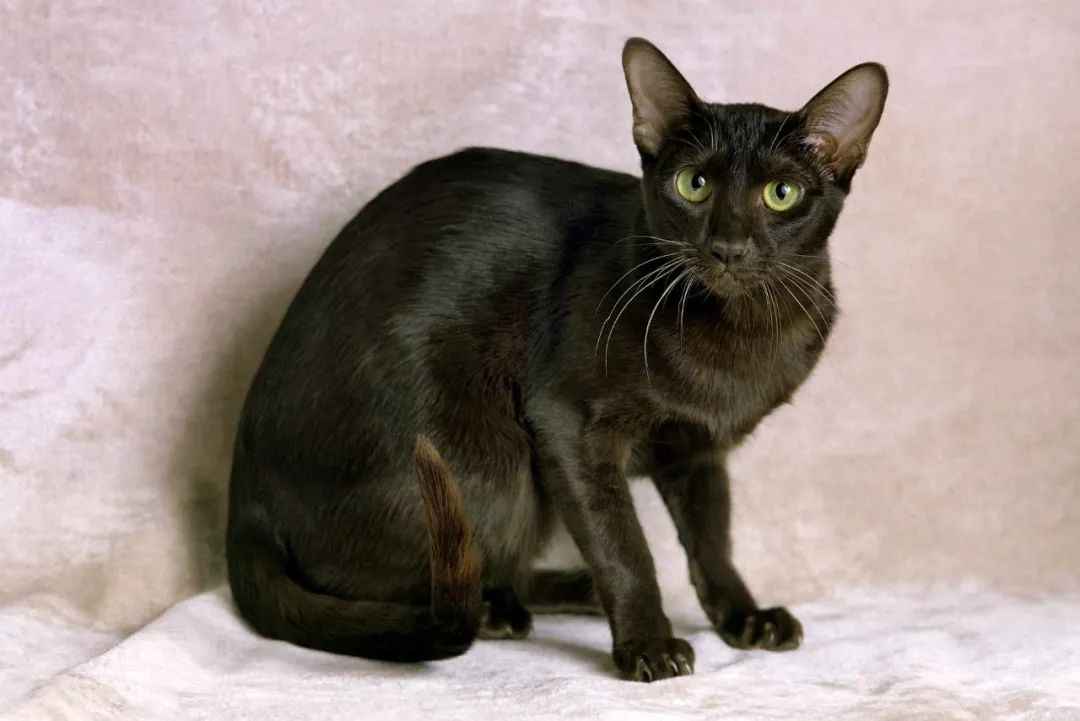
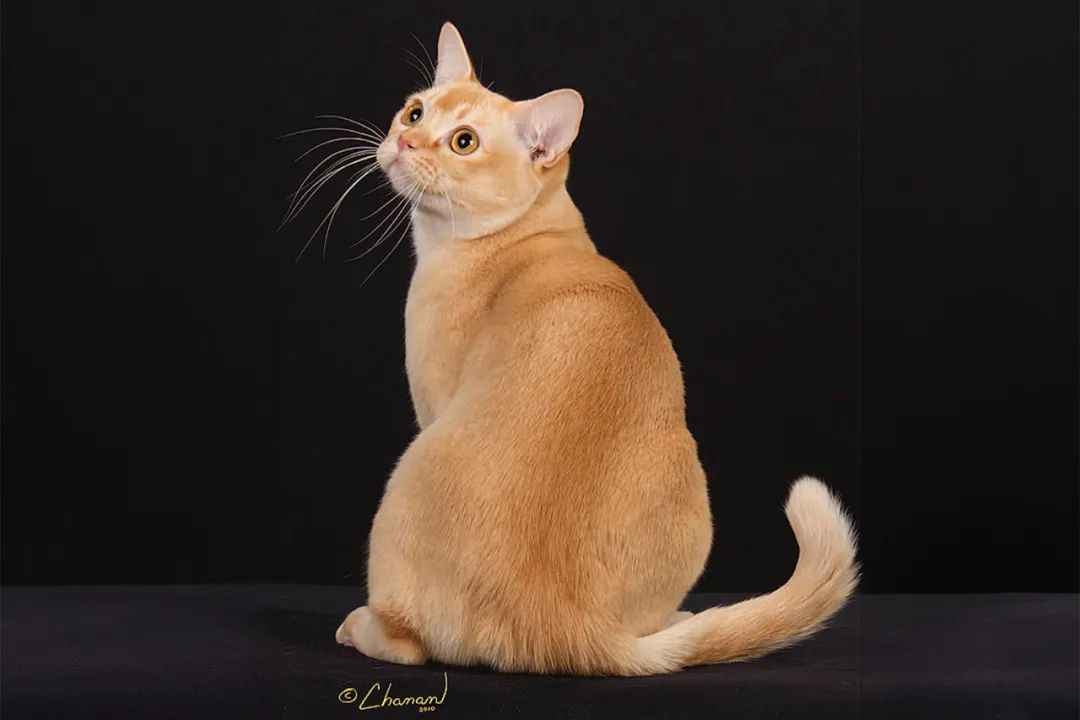
The European Burmese cat, a breed born from careful crossbreeding in mid-20th century Europe, has captivated cat enthusiasts with its elegant physique and affectionate nature. Originating from the American Burmese stock imported to the UK, European breeders sought to diversify the gene pool by introducing Siamese and British Shorthair bloodlines, resulting in a distinct feline with refined features. Recognized by major associations like the CFA since 2002, this breed stands out for its sleek, muscular build and striking golden or amber almond-shaped eyes, which contrast sharply with the rounde

Distinctive Appearance and Coat

The European Burmese boasts a short, glossy coat in ten officially recognized colors, including brown, chocolate, blue, and tortoiseshell patterns—a significant departure from the limited palette of American Burmese cats. Its wedge-shaped head, high cheekbones, and slender limbs give it a regal stance, while the coat’s satin-like texture requires minimal grooming, appealing to busy households. Males typically weigh 3.5–7.5 kg, with females slightly smaller, embodying a balance of agility and grace.

Temperament and Social Dynamics

Known for their dog-like loyalty, European Burmese cats thrive on human interaction and form deep bonds with their families. They are highly intelligent, playful, and adaptable, making them ideal companions for households with children or other pets. However, their sociable nature means they may develop separation anxiety if left alone for extended periods, highlighting the need for consistent companionship. Their vocalizations, softer than Siamese counterparts, add to their charm without overwhelming owners.

Health Considerations

While generally robust, the breed is predisposed to certain genetic conditions. European Burmese cats, particularly those in the UK and Australia, face a fourfold increased risk of diabetes mellitus compared to other felines. Breeders also monitor for rare but severe issues like Burmese head defect, a congenital abnormality affecting skull development, and hypokalemia, a potassium deficiency causing muscle weakness. Regular veterinary check-ups and a balanced diet rich in protein are essential for maintaining their health.

A Breed with Historical Significance

The European Burmese played a pivotal role in revitalizing the Burmese gene pool during the mid-20th century, preventing inbreeding-related health crises. Today, their popularity continues to grow, with breeders worldwide preserving their unique traits. Whether gracing cat shows or curling up on a lap at home, the European Burmese remains a testament to the art of selective breeding and the enduring appeal of a feline companion that combines beauty, intelligence, and unwavering loyalty.

Latest Stories
Feline News2 minute readOriginating from the northwestern United States, the Pixiebob Longhair has captivated cat enthusiasts worldwide with its striking resemblance to the wild bobcat and its loyal, affectionate nature. As the long-haired variant of the Pixiebob breed, this "native new breed"—recognized by The International Cat Association (TICA)—boasts a robust physique, luxurious silky coat, and a uniquely bobbed tail, earning accolades in international cat shows.
Animal Information1 minute readOriginating in Hungary, the Komondor is a muscular large breed renowned as a fearless guardian. Historically tasked with protecting herds from wolves, this agile canine now serves as a devoted family guard dog, blending loyalty with a distinctive appearance that earned it a quirky nickname.
Feline News2 minute readThe Turkish Angora, a breed steeped in history and elegance, has captivated hearts for centuries with its striking appearance and regal demeanor. Originating from Ankara, Turkey (formerly Angora), this ancient longhair breed is believed to be the ancestor of many modern longhaired cats. Once on the brink of extinction, it was saved by dedicated conservation efforts, including a 1930s breeding program initiated by the Turkish government, which focused on preserving the iconic white-coated variety. Today, it stands as a national treasure, celebrated for its beauty and cultural significance.
Animal Information1 minute readThe humphead wrasse (Cheilinus undulatus), a majestic marine species, remains listed as endangered, facing ongoing threats to its survival in global oceans. Renowned for its impressive size, adult individuals can reach a staggering weight of 180 kilograms, making it one of the largest reef-dwelling fish in the world.
Feline News1 minute readThe Balinese cat, also known as the Bali cat or Java cat, is a charming medium - sized long - haired cat. It originated in the United States and is a long - haired mutant of the Siamese cat. It is named the Balinese cat because its movements are 酷似 those of the native Balinese dancers.
Animal Information1 minute readThe global population of Bengal tigers currently stands at approximately 24,000, but a closer look at the figures reveals a worrying reality: only around 3,200 of these majestic creatures live in their natural wild habitats, while nearly 20,000 are in captivity. This stark contrast becomes even more alarming when compared to historical records.
Animal Information1 minute readThe Atossa fritillary (Speyeria adiaste atossa), a butterfly once common in Southern California’s mountain regions, is feared extinct, with no confirmed sightings since 1959. Characterized by its broad wings decorated with elegant black spots, the species once thrived across the area’s rugged landscapes.