The Spotted Guardians: Unveiling the History and Modern Allure of Dalmatians


Canine News
The Spotted Guardians: Unveiling the History and Modern Allure of Dalmatians

The Dalmatian, renowned for its iconic black-and-white spots and elegant demeanor, stands as one of the most recognizable dog breeds globally. Originating from the Dalmatia region of Croatia, this medium-sized canine has carried a millennia-old legacy while evolving into a multifaceted companion in the modern world.

Historical Tapestry: From Battlefields to Firehouses

The Dalmatian’s roots trace back to 14th-century Croatia, where it served as a versatile working dog for guarding, hunting, and warfare. In the early 19th century, as carriage culture flourished, the breed gained fame as the "carriage guardian" of nobility across Europe. Its most legendary role unfolded as a firehouse dog: during the era of horse-drawn fire engines, Dalmatians leveraged their natural affinity for horses to clear paths, protect equipment, and safeguard the horses while firefighters worked. Even after fire engines mechanized, they remained symbolic mascots in fire safety campaigns, embodying the "spiritual emblem" of firefighters.

Appearance and Temperament: A Harmony of Elegance and Vigor

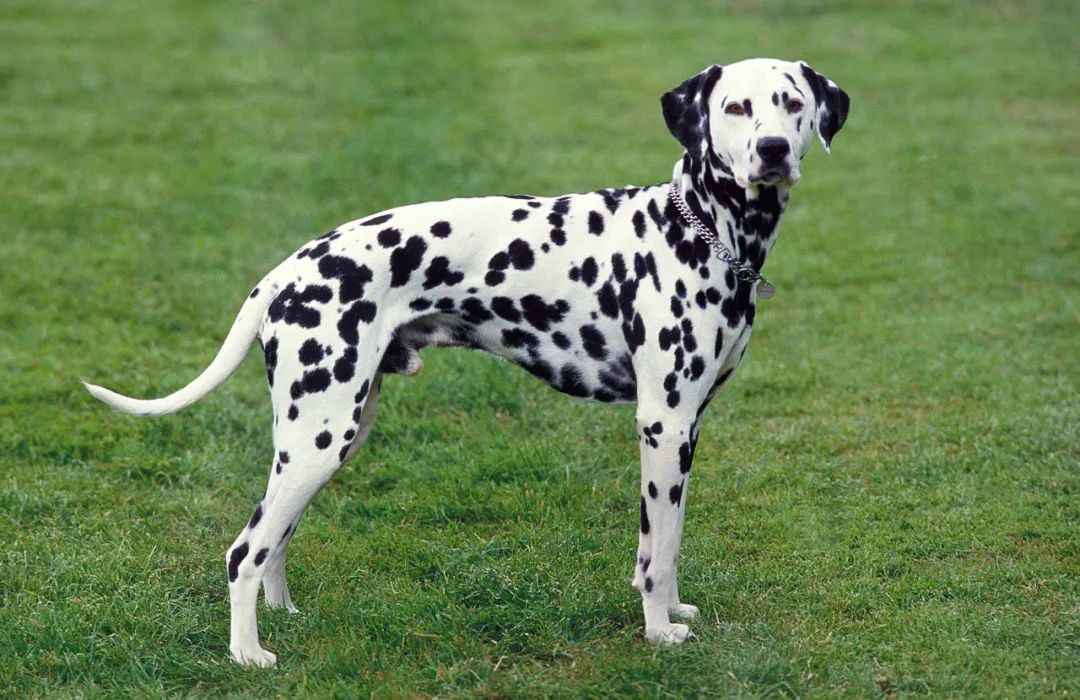
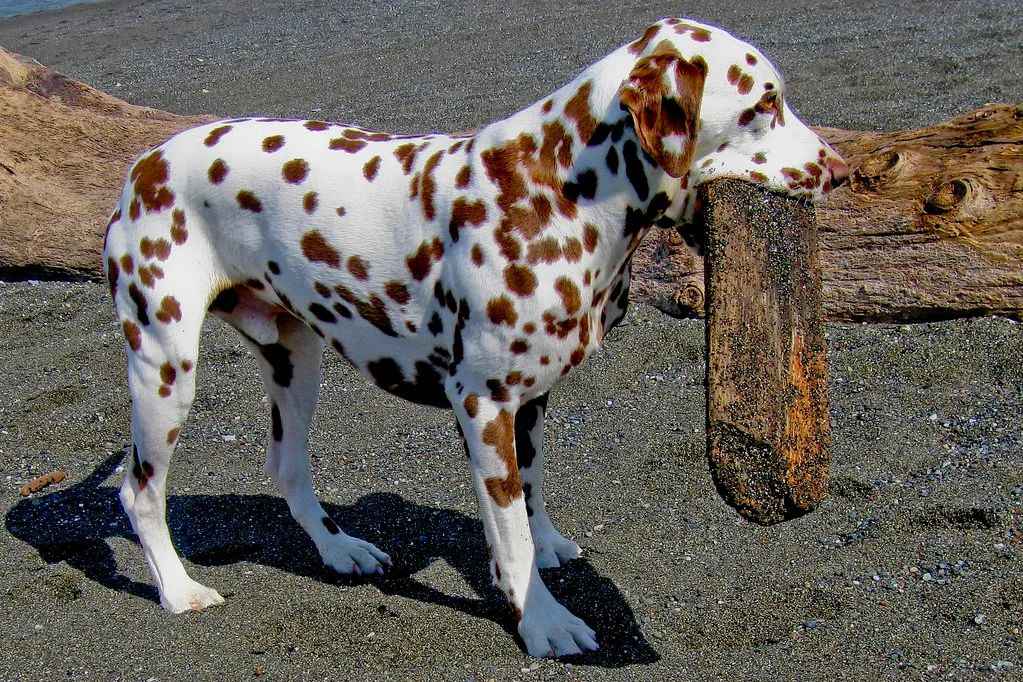
Dalmatians sport a short, dense white coat adorned with evenly distributed black or brown spots, each pattern a unique "biometric signature." Adults stand 56–61 cm tall and weigh 24–32 kg, boasting a sleek, muscular build and remarkable speed. Their personalities blend extroversion, loyalty, and intelligence, with innate guarding instincts balanced by warmth toward family. However, their high energy requires at least 1.5 hours of intense daily exercise to prevent boredom-driven behavioral issues.


Source: Images from the Internet, if there is any infringement, please contact the removal of


Health and Care: Science as the Key to Longevity

While Dalmatians typically live 11–13 years, health vigilance is critical. Approximately 15–30% face congenital deafness, with 5% being bilaterally deaf. Hereditary uric acid metabolism disorders predispose them to bladder stones, necessitating low-protein diets and regular urine checks. Hip dysplasia and skin allergies are also common, prompting recommendations for specialized kibble and routine veterinary screenings. 2025 breeding trends highlight DNA testing for low uric acid (LUA) genes, which has significantly reduced stone prevalence.

Cultural Icons: From Silver Screen to Everyday Life

Dalmatians gained global fame through Disney’s 101 Dalmatians, but their artistic legacy spans ancient Egyptian murals and European classical paintings. Today, they thrive not only as family pets but also in dog shows, charity events, and even therapy work, offering comfort as emotional support animals. As author Dodie Smith wrote in 101 Dalmatians, their loyalty and courage transcend fiction, making them real-life "spotted guardians."


From the ancient villages of Dalmatia to modern city streets, Dalmatians continue to captivate humanity with their loyalty, bravery, and distinctive charm. Whether fulfilling historical roles or enriching contemporary life, these spotted guardians embody the timeless essence of "man’s best friend."
Latest Stories
Feline News2 minute readOriginating from the northwestern United States, the Pixiebob Longhair has captivated cat enthusiasts worldwide with its striking resemblance to the wild bobcat and its loyal, affectionate nature. As the long-haired variant of the Pixiebob breed, this "native new breed"—recognized by The International Cat Association (TICA)—boasts a robust physique, luxurious silky coat, and a uniquely bobbed tail, earning accolades in international cat shows.
Animal Information1 minute readOriginating in Hungary, the Komondor is a muscular large breed renowned as a fearless guardian. Historically tasked with protecting herds from wolves, this agile canine now serves as a devoted family guard dog, blending loyalty with a distinctive appearance that earned it a quirky nickname.
Feline News2 minute readThe Turkish Angora, a breed steeped in history and elegance, has captivated hearts for centuries with its striking appearance and regal demeanor. Originating from Ankara, Turkey (formerly Angora), this ancient longhair breed is believed to be the ancestor of many modern longhaired cats. Once on the brink of extinction, it was saved by dedicated conservation efforts, including a 1930s breeding program initiated by the Turkish government, which focused on preserving the iconic white-coated variety. Today, it stands as a national treasure, celebrated for its beauty and cultural significance.
Animal Information1 minute readThe humphead wrasse (Cheilinus undulatus), a majestic marine species, remains listed as endangered, facing ongoing threats to its survival in global oceans. Renowned for its impressive size, adult individuals can reach a staggering weight of 180 kilograms, making it one of the largest reef-dwelling fish in the world.
Feline News1 minute readThe Balinese cat, also known as the Bali cat or Java cat, is a charming medium - sized long - haired cat. It originated in the United States and is a long - haired mutant of the Siamese cat. It is named the Balinese cat because its movements are 酷似 those of the native Balinese dancers.
Animal Information1 minute readThe global population of Bengal tigers currently stands at approximately 24,000, but a closer look at the figures reveals a worrying reality: only around 3,200 of these majestic creatures live in their natural wild habitats, while nearly 20,000 are in captivity. This stark contrast becomes even more alarming when compared to historical records.
Animal Information1 minute readThe Atossa fritillary (Speyeria adiaste atossa), a butterfly once common in Southern California’s mountain regions, is feared extinct, with no confirmed sightings since 1959. Characterized by its broad wings decorated with elegant black spots, the species once thrived across the area’s rugged landscapes.