The Golden Pheasant: China’s Living Phoenix and Avian Emblem of Royalty


Bird Information
The Golden Pheasant: China’s Living Phoenix and Avian Emblem of Royalty

Scientifically named Chrysolophus pictus, this iconic pheasant is endemic to China’s central and western mountain ranges, measuring 80 cm in length and feeding on plant seeds and insects. A national second-class protected animal, it’s long been hailed as the real-world inspiration for the mythical phoenix—an association that elevated it to imperial status in ancient China.

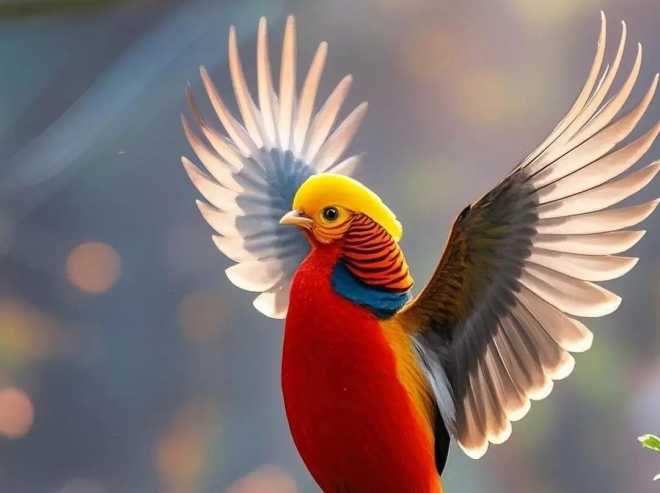
During the Ming and Qing dynasties, the golden pheasant adorned the robes of second-rank civil officials, symbolizing auspiciousness and nobility. The male’s plumage is a masterstroke of natural art: a golden-orange neck ruff resembling spun silk, iridescent emerald-green back feathers, and a belly ablaze in scarlet. Its 60-cm tail feathers feature precise golden bands on a black-brown canvas, tipped with turquoise ocelli—"like a painter’s palette spilled onto a bird," notes ornithologist Dr. Li Mei.


During courtship, the male fans out his feathers into a four-color tapestry of gold, red, black, and green, creating a living 屏风 that dazzles onlookers. "It’s as if the sun itself took wing," says wildlife photographer Zhang Wei. This spectacular display, once thought to embody the phoenix’s divine fire, now serves as a symbol of China’s rich biodiversity.


Native to dense forests, the golden pheasant faces habitat loss but thrives in protected areas. In Chinese folklore, its appearance was said to foretell prosperity, a belief that mirrors modern conservation efforts. "Every feather tells a story—of myth, of royalty, and now, of survival," notes conservationist Wang Jia. "When it struts through the mist, that golden neck ruff glowing, you see why ancient poets compared it to the phoenix. It’s not just a bird; it’s a flying legend, carrying China’s natural and cultural heritage in every iridescent plume."


Today, the golden pheasant’s likeness graces traditional art and modern wildlife campaigns, a reminder that nature’s most resplendent creations often become the stuff of legend. Its scientific name, Chrysolophus pictus (meaning "painted golden crest"), captures both its aesthetic marvel and its role as a living link between China’s imperial past and its commitment to wildlife preservation.

Latest Stories
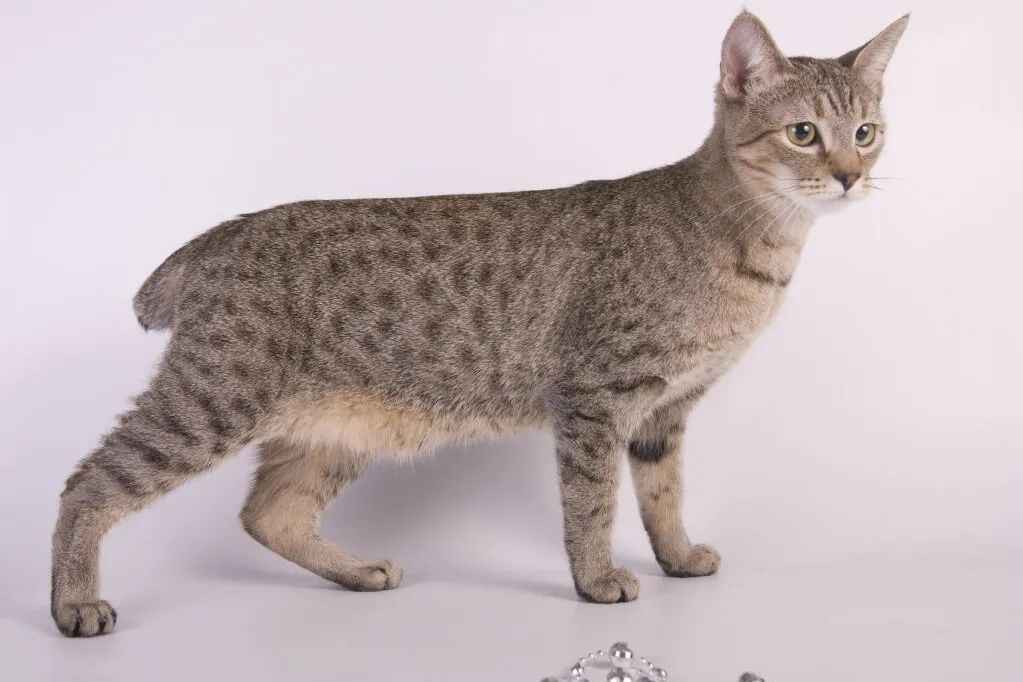
Feline News2 minute readOriginating from the northwestern United States, the Pixiebob Longhair has captivated cat enthusiasts worldwide with its striking resemblance to the wild bobcat and its loyal, affectionate nature. As the long-haired variant of the Pixiebob breed, this "native new breed"—recognized by The International Cat Association (TICA)—boasts a robust physique, luxurious silky coat, and a uniquely bobbed tail, earning accolades in international cat shows.
Animal Information1 minute readOriginating in Hungary, the Komondor is a muscular large breed renowned as a fearless guardian. Historically tasked with protecting herds from wolves, this agile canine now serves as a devoted family guard dog, blending loyalty with a distinctive appearance that earned it a quirky nickname.
Feline News2 minute readThe Turkish Angora, a breed steeped in history and elegance, has captivated hearts for centuries with its striking appearance and regal demeanor. Originating from Ankara, Turkey (formerly Angora), this ancient longhair breed is believed to be the ancestor of many modern longhaired cats. Once on the brink of extinction, it was saved by dedicated conservation efforts, including a 1930s breeding program initiated by the Turkish government, which focused on preserving the iconic white-coated variety. Today, it stands as a national treasure, celebrated for its beauty and cultural significance.
Animal Information1 minute readThe humphead wrasse (Cheilinus undulatus), a majestic marine species, remains listed as endangered, facing ongoing threats to its survival in global oceans. Renowned for its impressive size, adult individuals can reach a staggering weight of 180 kilograms, making it one of the largest reef-dwelling fish in the world.
Feline News1 minute readThe Balinese cat, also known as the Bali cat or Java cat, is a charming medium - sized long - haired cat. It originated in the United States and is a long - haired mutant of the Siamese cat. It is named the Balinese cat because its movements are 酷似 those of the native Balinese dancers.
Animal Information1 minute readThe global population of Bengal tigers currently stands at approximately 24,000, but a closer look at the figures reveals a worrying reality: only around 3,200 of these majestic creatures live in their natural wild habitats, while nearly 20,000 are in captivity. This stark contrast becomes even more alarming when compared to historical records.
Animal Information1 minute readThe Atossa fritillary (Speyeria adiaste atossa), a butterfly once common in Southern California’s mountain regions, is feared extinct, with no confirmed sightings since 1959. Characterized by its broad wings decorated with elegant black spots, the species once thrived across the area’s rugged landscapes.