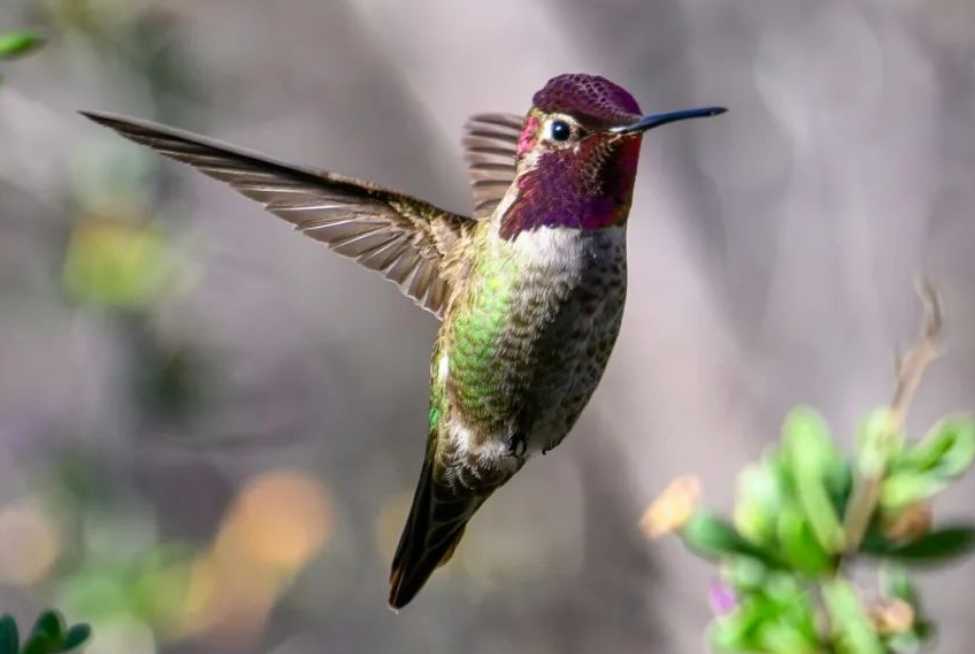
The Anna's Hummingbird (Calypte anna) is a captivating avian species that has charmed nature enthusiasts across the Americas. This diminutive bird, known for its iridescent plumage and remarkable flying abilities, is a true wonder of the natural world.
The Dazzling Anna's Hummingbird: A Tiny Marvel of the Americas
The Anna's Hummingbird (Calypte anna) is a captivating avian species that has charmed nature enthusiasts across the Americas. This diminutive bird, known for its iridescent plumage and remarkable flying abilities, is a true wonder of the natural world.
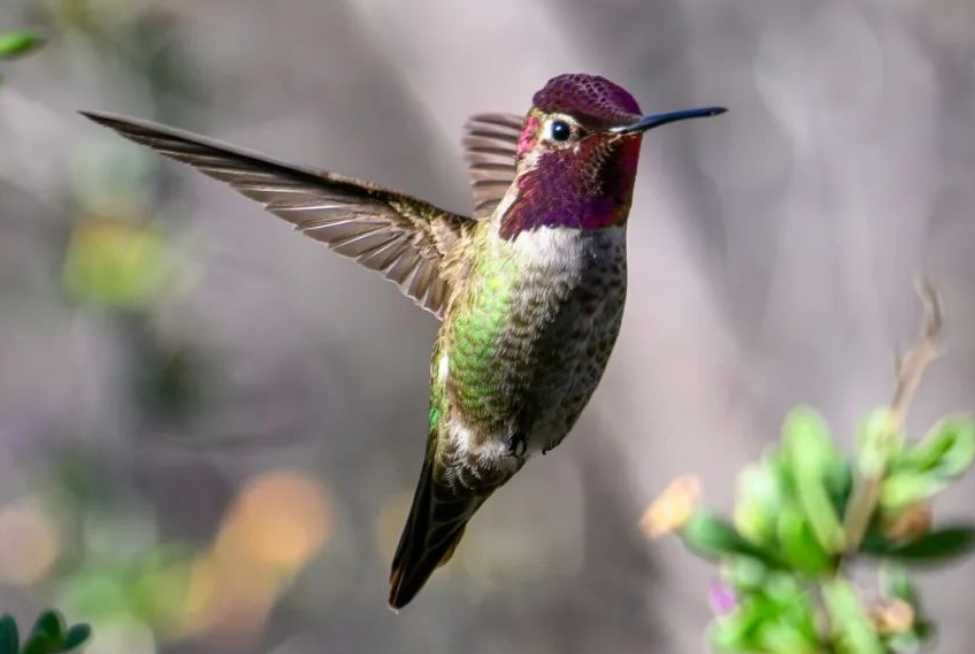
Source: Images from the Internet, if there is any infringement, please contact the removal of
Measuring a mere 9 - 11 centimeters in length, the Anna's Hummingbird is a sight to behold. Males sport a brilliant iridescent red crown and gorget, which can appear black or dull in certain lighting conditions but bursts into a vivid display of color when hit by sunlight at the right angle. Their back and wings are a sleek green, while the underparts are a soft grayish - white. Females, on the other hand, have a more subdued appearance, with green upperparts and a white - streaked throat and belly. Their long, slender bills are perfectly adapted for sipping nectar from flowers, their primary source of food. In addition to nectar, they also consume small insects and spiders, which provide essential protein.
Native to the western coast of North America, from southern Alaska to Baja California, the Anna's Hummingbird has shown remarkable adaptability. In the past, it was mainly restricted to southern California and the Baja Peninsula. However, since the 1930s, its range has expanded significantly. Today, it can be found as far north as British Columbia and as far east as Texas. This expansion is largely due to human - made factors. The increase in flowery landscaping and the widespread use of nectar feeders in suburban gardens have provided a reliable food source, allowing these birds to colonize new areas. They are commonly seen in a variety of habitats, including coastal sage scrub, open woods, and urban parks. During the winter months, some even brave colder temperatures and can be found in areas where water remains unfrozen and food sources are available.
During the breeding season, male Anna's Hummingbirds put on an extraordinary display to attract mates. They perform spectacular dives, swooping down from great heights at speeds of up to 385 body lengths per second, creating a loud, distinctive "squeak" with their tail feathers. Females build small, cup - shaped nests using plant fibers, spider silk, and lichens, often adorning the outside with bits of moss for camouflage. They lay two tiny white eggs, which they incubate for about two weeks. Once the chicks hatch, the female works tirelessly to feed them a diet of regurgitated nectar and insects until they are ready to fledge. Despite facing some challenges such as habitat loss in their native range, the Anna's Hummingbird's adaptability and the help from human - provided resources have allowed its population to remain stable, making it a common and beloved sight in many parts of its expanded range