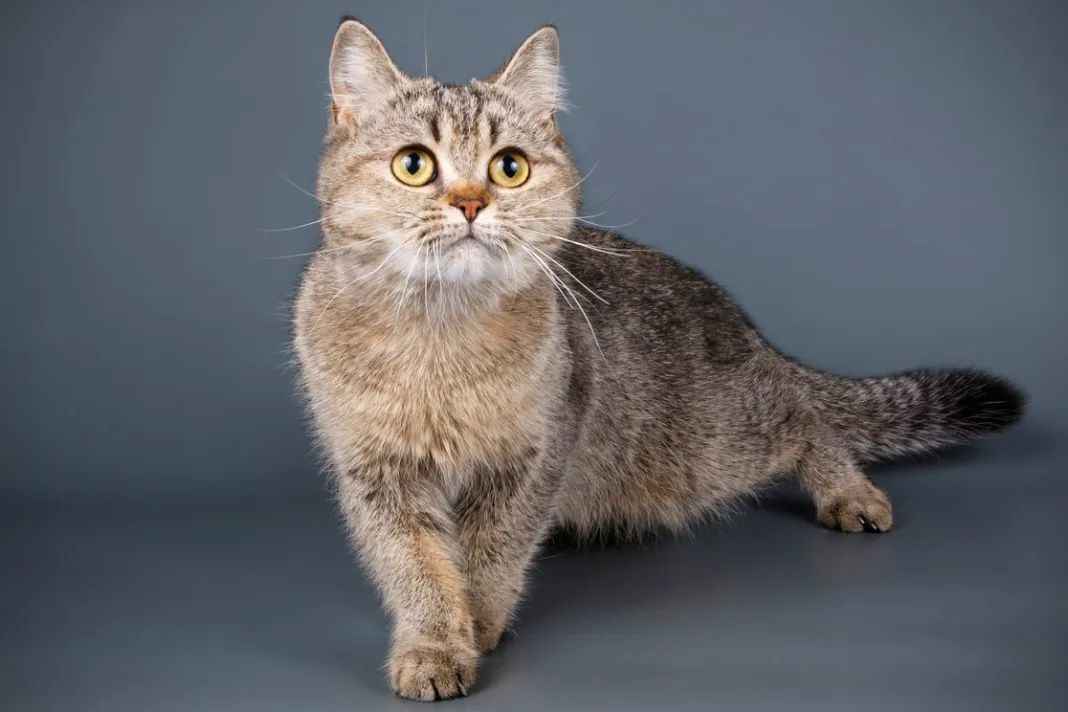
Scottish Straight: The Perfect Blend of Grace and Health


Feline News
Scottish Straight: The Perfect Blend of Grace and Health

Originating in Scotland in the 1960s, the Scottish Straight is the upright-eared counterpart to the Scottish Fold. In 1961, a white barn cat named Susie with folded ears was discovered, and some of her offspring displayed straight ears due to genetic mutation, marking the beginning of this breed’s development. Today, Scottish Straights are celebrated worldwide for their round features, gentle demeanor, and robust genetics.

Physical Traits and Temperament

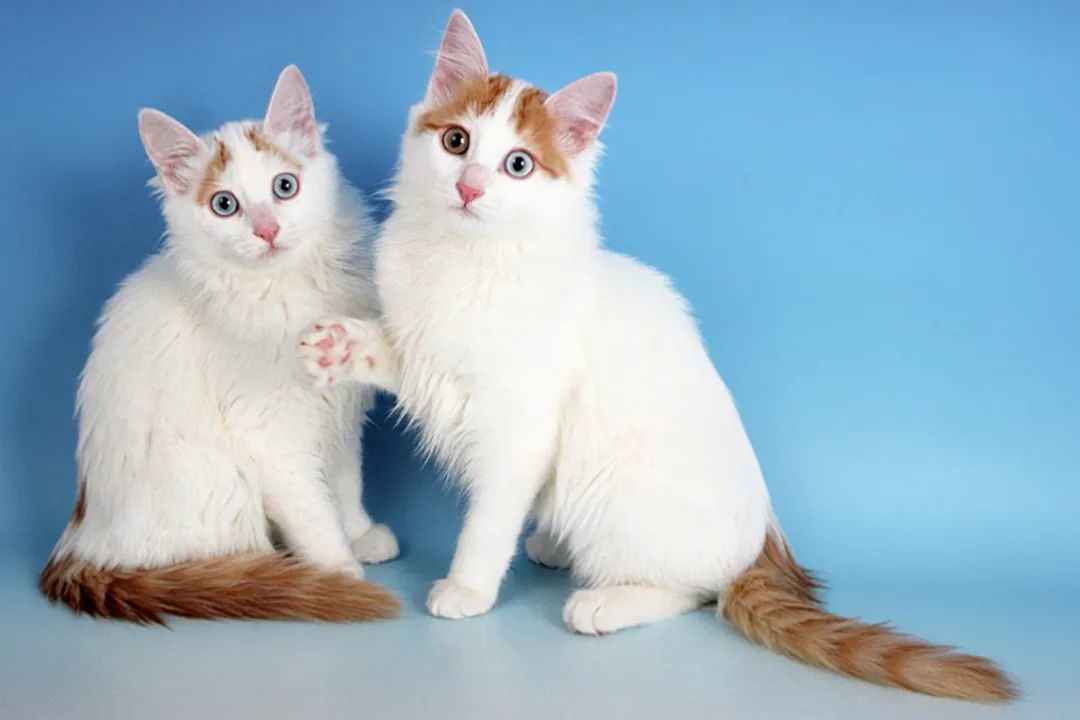
With a rounded head, large almond-shaped eyes, and a medium-sized, muscular body, Scottish Straights exude a perpetually kitten-like charm. Their ears stand erect with rounded tips, distinguishing them from their folded-eared relatives. Available in both longhair and shorthair varieties, they come in all traditional coat colors and patterns, catering to diverse aesthetic preferences.


Known for their loyalty and sociability, Scottish Straights thrive in households with children or other pets. They enjoy interactive play and exploring their surroundings but also value independent downtime, striking a balance between companionship and autonomy.

Health and Care Guidelines

Unlike Scottish Folds, Scottish Straights do not carry the Fd gene linked to osteochondrodysplasia, sparing them from crippling joint deformities and chronic pain. However, they may inherit other genetic predispositions, such as cardiomyopathy or polycystic kidney disease. Prospective owners should prioritize breeders who conduct DNA testing and health screenings.


These adaptable cats flourish indoors or in secure outdoor environments. Shorthair varieties require weekly brushing, while longhairs benefit from daily grooming to prevent matting. A balanced diet and regular exercise are essential to manage their slower metabolism and prevent obesity.

Ethical Considerations and Breed Preservation

While Scottish Straights are generally healthy, their folded-eared counterparts face severe health issues, leading to breeding bans in countries like the Netherlands and Austria. To mitigate genetic risks, international cat associations (e.g., TICA) mandate that Scottish Folds must only be bred with Scottish Straights or other breeds, ensuring healthier offspring. This policy has elevated the Scottish Straight’s role as a vital guardian of feline genetic diversity.

Conclusion

The Scottish Straight embodies the perfect harmony of beauty, affection, and resilience. By choosing responsible breeders and prioritizing genetic health, cat lovers can ensure this elegant breed continues to grace households with joy and companionship for generations to come.

Latest Stories
Feline News2 minute readOriginating from the northwestern United States, the Pixiebob Longhair has captivated cat enthusiasts worldwide with its striking resemblance to the wild bobcat and its loyal, affectionate nature. As the long-haired variant of the Pixiebob breed, this "native new breed"—recognized by The International Cat Association (TICA)—boasts a robust physique, luxurious silky coat, and a uniquely bobbed tail, earning accolades in international cat shows.
Animal Information1 minute readOriginating in Hungary, the Komondor is a muscular large breed renowned as a fearless guardian. Historically tasked with protecting herds from wolves, this agile canine now serves as a devoted family guard dog, blending loyalty with a distinctive appearance that earned it a quirky nickname.
Feline News2 minute readThe Turkish Angora, a breed steeped in history and elegance, has captivated hearts for centuries with its striking appearance and regal demeanor. Originating from Ankara, Turkey (formerly Angora), this ancient longhair breed is believed to be the ancestor of many modern longhaired cats. Once on the brink of extinction, it was saved by dedicated conservation efforts, including a 1930s breeding program initiated by the Turkish government, which focused on preserving the iconic white-coated variety. Today, it stands as a national treasure, celebrated for its beauty and cultural significance.
Animal Information1 minute readThe humphead wrasse (Cheilinus undulatus), a majestic marine species, remains listed as endangered, facing ongoing threats to its survival in global oceans. Renowned for its impressive size, adult individuals can reach a staggering weight of 180 kilograms, making it one of the largest reef-dwelling fish in the world.
Feline News1 minute readThe Balinese cat, also known as the Bali cat or Java cat, is a charming medium - sized long - haired cat. It originated in the United States and is a long - haired mutant of the Siamese cat. It is named the Balinese cat because its movements are 酷似 those of the native Balinese dancers.
Animal Information1 minute readThe global population of Bengal tigers currently stands at approximately 24,000, but a closer look at the figures reveals a worrying reality: only around 3,200 of these majestic creatures live in their natural wild habitats, while nearly 20,000 are in captivity. This stark contrast becomes even more alarming when compared to historical records.
Animal Information1 minute readThe Atossa fritillary (Speyeria adiaste atossa), a butterfly once common in Southern California’s mountain regions, is feared extinct, with no confirmed sightings since 1959. Characterized by its broad wings decorated with elegant black spots, the species once thrived across the area’s rugged landscapes.