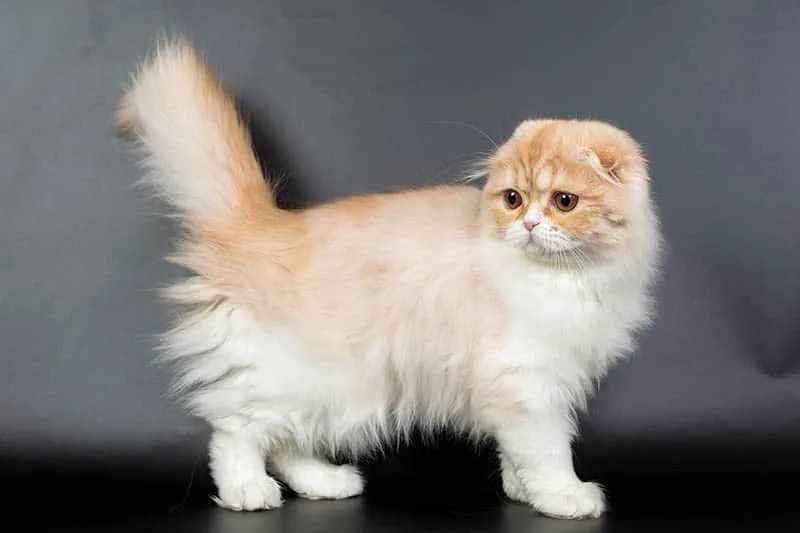
Scottish Fold Longhair: The Graceful Aristocrat of the Pet World and the Health Concerns Behind Its Unique Genes


Feline News
Scottish Fold Longhair: The Graceful Aristocrat of the Pet World and the Health Concerns Behind Its Unique Genes

The Scottish Fold Longhair has become a globally adored "healing" pet with its iconic folded ears and luxurious long fur. However, the breed's genetic uniqueness has also drawn sustained attention from international animal welfare organizations. This article delves into its origin, characteristics, and health management essentials, providing scientific insights for prospective owners.

History and Breed Origins
In 1961, the first Scottish Fold cat named "Susie" was born on a farm in Perthshire, Scotland. Its distinctive folded ears resulted from a natural genetic mutation. After decades of breeding, the long-haired variant was officially recognized by The International Cat Association (TICA) in the 1980s. Notably, Scotland itself has not recognized the breed due to concerns about genetic defects.


Physical Traits and Temperament


  • Appearance Highlights: A round face paired with forward-folding ears creates an "owl-like" innocent gaze. The medium-length coat is soft and comes in over 20 color variations, including silver shaded and blue-white bi-color.
  • Personality Traits: Renowned for their and affectionate nature, they are often described as "shadow cats." Their moderate activity level suits apartment living, though 15-20 minutes of daily playtime is recommended to maintain vitality.


Key Health Management Points
The cartilage dysplasia gene (Fd gene) in Scottish Folds is the root of health risks, potentially leading to:


  1. Skeletal Disorders: Approximately 30% of individuals develop joint pain and tail stiffness after 3-5 years, with severe cases requiring surgical intervention.
  2. Ear Infections: The folded structure traps debris, necessitating weekly cleaning with veterinary-approved ear solutions.
  3. Obesity Risk: Strict diet control is essential, with high-protein, low-carbohydrate diets and daily caloric intake of 200-250 kcal.
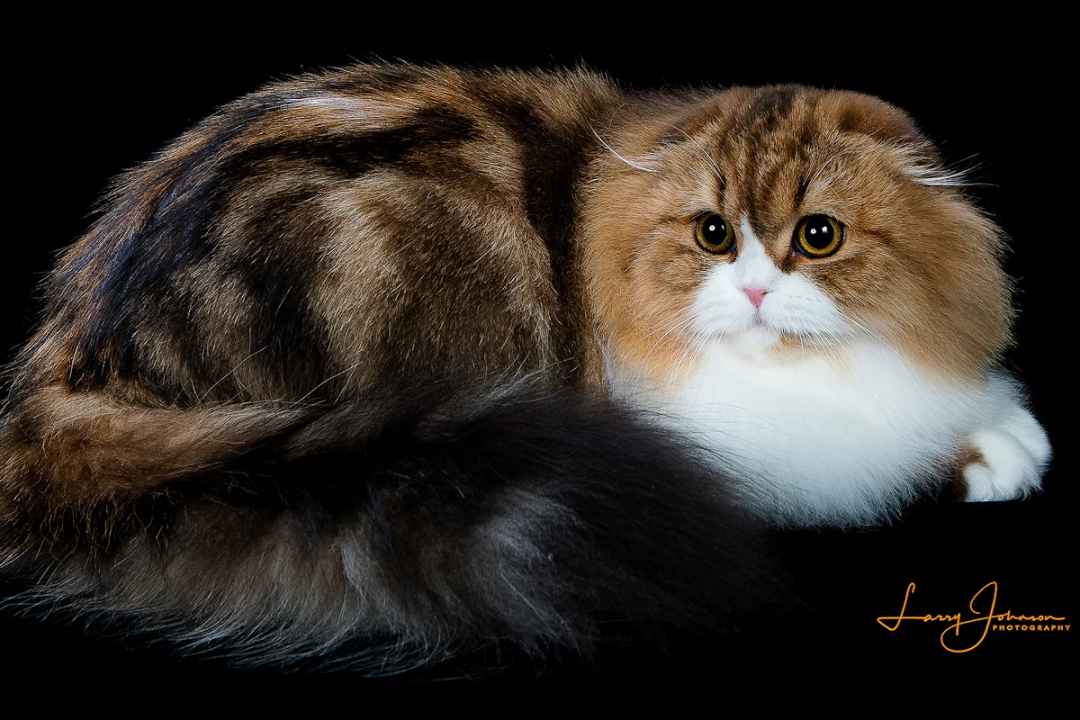
 

Source: Images from the Internet, if there is any infringement, please contact the removal of


Professional Care Recommendations


  • Medical Care: Bi-annual blood tests and X-rays are advised to monitor limb joints and spinal health.
  • Environmental Adjustments: Provide non-slip rugs and low cat trees to reduce jumping impact. Daily grooming is needed in summer to prevent hairballs.
  • Behavioral Observation: Immediate veterinary consultation is required if abnormal gait, appetite loss, or excessive grooming occurs.


International Controversy and Ethical Discussions
While organizations like TICA have established breeding standards (e.g., animal welfare groups advocate halting commercial breeding. In 2023, the UK's Governing Council of the Cat Fancy (GCCF) removed Scottish Folds from registered breeds, emphasizing a "health over appearance" philosophy.


Conclusion
The Scottish Fold Longhair's healing appearance and affectionate personality make it an ideal family companion. However, prospective owners must fully understand the health challenges posed by genetic defects. Through scientific care and regular medical intervention, these "folded-ear elves" can enjoy a high-quality life.
Latest Stories
Feline News2 minute readOriginating from the northwestern United States, the Pixiebob Longhair has captivated cat enthusiasts worldwide with its striking resemblance to the wild bobcat and its loyal, affectionate nature. As the long-haired variant of the Pixiebob breed, this "native new breed"—recognized by The International Cat Association (TICA)—boasts a robust physique, luxurious silky coat, and a uniquely bobbed tail, earning accolades in international cat shows.
Animal Information1 minute readOriginating in Hungary, the Komondor is a muscular large breed renowned as a fearless guardian. Historically tasked with protecting herds from wolves, this agile canine now serves as a devoted family guard dog, blending loyalty with a distinctive appearance that earned it a quirky nickname.
Feline News2 minute readThe Turkish Angora, a breed steeped in history and elegance, has captivated hearts for centuries with its striking appearance and regal demeanor. Originating from Ankara, Turkey (formerly Angora), this ancient longhair breed is believed to be the ancestor of many modern longhaired cats. Once on the brink of extinction, it was saved by dedicated conservation efforts, including a 1930s breeding program initiated by the Turkish government, which focused on preserving the iconic white-coated variety. Today, it stands as a national treasure, celebrated for its beauty and cultural significance.
Animal Information1 minute readThe humphead wrasse (Cheilinus undulatus), a majestic marine species, remains listed as endangered, facing ongoing threats to its survival in global oceans. Renowned for its impressive size, adult individuals can reach a staggering weight of 180 kilograms, making it one of the largest reef-dwelling fish in the world.
Feline News1 minute readThe Balinese cat, also known as the Bali cat or Java cat, is a charming medium - sized long - haired cat. It originated in the United States and is a long - haired mutant of the Siamese cat. It is named the Balinese cat because its movements are 酷似 those of the native Balinese dancers.
Animal Information1 minute readThe global population of Bengal tigers currently stands at approximately 24,000, but a closer look at the figures reveals a worrying reality: only around 3,200 of these majestic creatures live in their natural wild habitats, while nearly 20,000 are in captivity. This stark contrast becomes even more alarming when compared to historical records.
Animal Information1 minute readThe Atossa fritillary (Speyeria adiaste atossa), a butterfly once common in Southern California’s mountain regions, is feared extinct, with no confirmed sightings since 1959. Characterized by its broad wings decorated with elegant black spots, the species once thrived across the area’s rugged landscapes.