Majestic Cymric Cats: The Graceful, Tailless Marvels of Feline Affection


Feline News
Majestic Cymric Cats: The Graceful, Tailless Marvels of Feline Affection

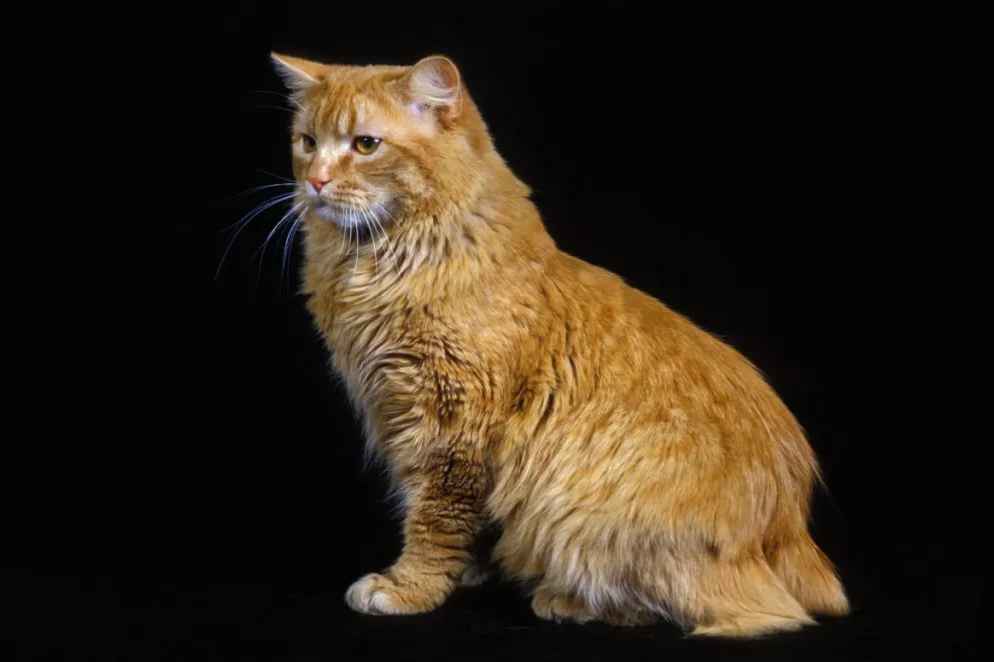
The Cymric, a breed celebrated for its distinctive tailless or short-tailed physique and luxurious long fur, has captivated cat enthusiasts worldwide. Originating from Canada in the 1960s as a long-haired variant of the Manx cat, the Cymric emerged when breeders noticed 长毛 kittens in litters of short-haired Manx cats. Named after the Celtic word for Wales, Cymric, the breed was officially recognized by the Cat Fanciers' Association (CFA) and quickly gained popularity for its unique appearance and gentle demeanor.

A Rounded, Regal Physique

Cymrics are medium-sized cats with a stocky, muscular build and a rounded silhouette. Their hind legs are notably longer than their front legs, giving them a distinctive gait that resembles a bowling ball in motion. The breed is categorized into four tail types: rumpies (completely tailless), stumpies (short stubs), rumpy risers (tiny tail protrusions), and occasionally longies (full tails). Their dense, double-layered coat comes in a spectrum of colors, from solid tones to intricate patterns, with longer fur on the neck, belly, and legs.

Gentle Personalities and Family-Friendly Traits

Known for their calm and loyal nature, Cymrics form deep bonds with their human companions. They exhibit "dog-like" devotion, often following owners around the house and seeking constant interaction. Despite their serene demeanor, these cats are playful and intelligent, capable of solving puzzles or entertaining themselves with toys. They thrive in households with children and other pets, displaying patience and adaptability.

Health Considerations and Care

While generally robust, Cymrics are prone to specific health issues tied to their genetics. The most significant concern is Manx Syndrome, a congenital condition affecting the spine and nervous system, which can cause urinary incontinence, mobility issues, or spinal deformities. Breeders prioritize selecting cats without severe spinal defects to mitigate risks. Additionally, Cymrics may develop obesity if their diet is not strictly managed, as they have hearty appetites and love to eat. Regular dental care and monitoring for hip dysplasia are also recommended.

A Breed Rooted in Legends and Legacy

The Cymric’s origins are steeped in folklore, including tales of the Manx cat’s tail being lost during Noah’s Ark voyage. Today, responsible breeding programs focus on preserving the breed’s health and unique traits. Their affectionate personalities and striking appearance make them cherished pets in homes across the globe.


For families seeking a devoted, low-maintenance companion with a touch of mythical charm, the Cymric is an ideal choice. As one of the world’s most distinctive cat breeds, they continue to enchant with their grace, loyalty, and timeless allure.
Latest Stories
Feline News2 minute readOriginating from the northwestern United States, the Pixiebob Longhair has captivated cat enthusiasts worldwide with its striking resemblance to the wild bobcat and its loyal, affectionate nature. As the long-haired variant of the Pixiebob breed, this "native new breed"—recognized by The International Cat Association (TICA)—boasts a robust physique, luxurious silky coat, and a uniquely bobbed tail, earning accolades in international cat shows.
Animal Information1 minute readOriginating in Hungary, the Komondor is a muscular large breed renowned as a fearless guardian. Historically tasked with protecting herds from wolves, this agile canine now serves as a devoted family guard dog, blending loyalty with a distinctive appearance that earned it a quirky nickname.
Feline News2 minute readThe Turkish Angora, a breed steeped in history and elegance, has captivated hearts for centuries with its striking appearance and regal demeanor. Originating from Ankara, Turkey (formerly Angora), this ancient longhair breed is believed to be the ancestor of many modern longhaired cats. Once on the brink of extinction, it was saved by dedicated conservation efforts, including a 1930s breeding program initiated by the Turkish government, which focused on preserving the iconic white-coated variety. Today, it stands as a national treasure, celebrated for its beauty and cultural significance.
Animal Information1 minute readThe humphead wrasse (Cheilinus undulatus), a majestic marine species, remains listed as endangered, facing ongoing threats to its survival in global oceans. Renowned for its impressive size, adult individuals can reach a staggering weight of 180 kilograms, making it one of the largest reef-dwelling fish in the world.
Feline News1 minute readThe Balinese cat, also known as the Bali cat or Java cat, is a charming medium - sized long - haired cat. It originated in the United States and is a long - haired mutant of the Siamese cat. It is named the Balinese cat because its movements are 酷似 those of the native Balinese dancers.
Animal Information1 minute readThe global population of Bengal tigers currently stands at approximately 24,000, but a closer look at the figures reveals a worrying reality: only around 3,200 of these majestic creatures live in their natural wild habitats, while nearly 20,000 are in captivity. This stark contrast becomes even more alarming when compared to historical records.
Animal Information1 minute readThe Atossa fritillary (Speyeria adiaste atossa), a butterfly once common in Southern California’s mountain regions, is feared extinct, with no confirmed sightings since 1959. Characterized by its broad wings decorated with elegant black spots, the species once thrived across the area’s rugged landscapes.