Madagascar’s Royal Coton De Tulear: History, Characteristics, and Modern Challenges


Canine News
Madagascar’s Royal Coton De Tulear: History, Characteristics, and Modern Challenges

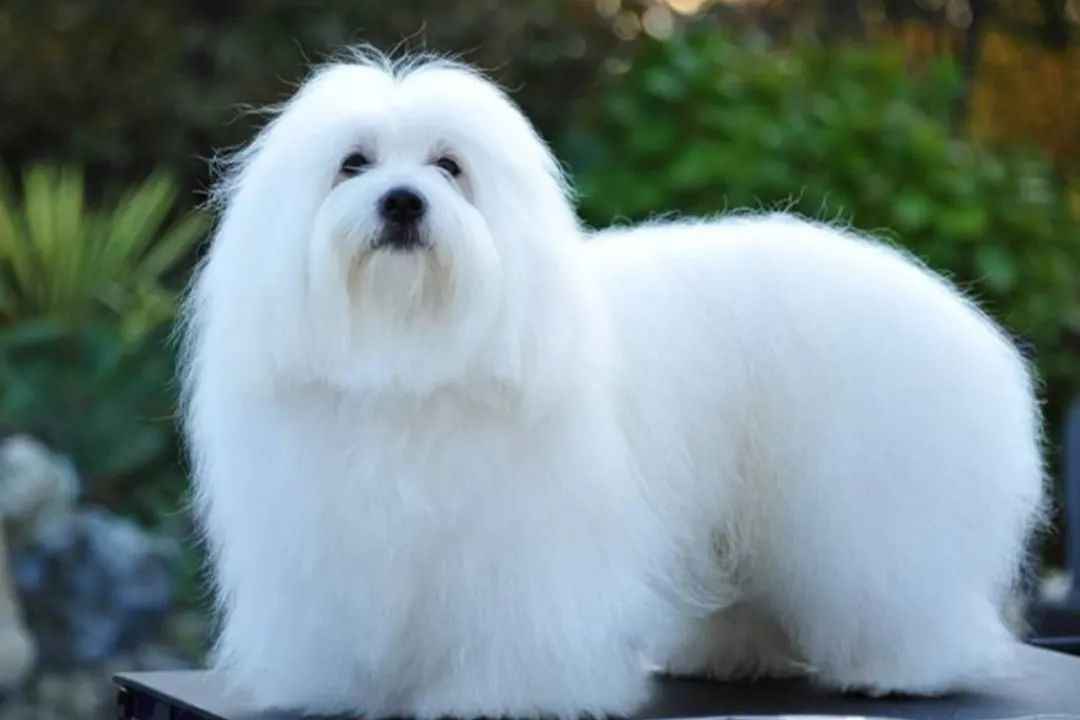
The Coton De Tulear, affectionately known as the "Cotton Ball Dog," is a rare companion breed from Madagascar celebrated for its soft, cotton-like white coat and gentle demeanor. Standing 25-30 cm tall and weighing 5-7 kg, this small dog has been a symbol of nobility since the 17th century, earning the title "Royal Dog of Madagascar" 1. The name "Coton" refers to its fluffy texture, while "Tulear" honors the Malagasy port city where the breed originated 2.

Historical Roots and Breed Controversy
The Coton De Tulear traces its lineage to Spanish dogs brought to Madagascar by European colonizers, undergoing centuries of selective breeding. While officially recognized by the Fédération Cynologique Internationale (FCI) in 1970, its acceptance by the American Kennel Club (AKC) in 2014 sparked debate. Breeders and enthusiasts launched petitions opposing AKC’s commercialization, fearing it could dilute the breed’s genetic integrity 3. With fewer than 2,000 purebred Cotons globally, preserving its heritage remains a critical concern.


Physical and Temperamental Traits
The breed is distinguished by its all-white coat, though puppies may display tan or gray markings that fade with age 5. Its double-layered fur requires daily brushing to prevent matting and professional grooming every 3-4 weeks to maintain its signature fluffiness 8. Known for intelligence and playfulness, Cotons thrive in family environments but need early socialization to curb aggression toward other dogs 1. Their loyalty makes them prone to separation anxiety, necessitating daily companionship and moderate exercise 4.


Health and Care Guidelines
With a lifespan of 15-19 years, Cotons are among the longest-lived breeds 6. However, they face risks like luxating patella, hip dysplasia, and progressive retinal atrophy 4. Prospective owners should seek breeders who conduct health screenings for hips, elbows, and eyes 5. A diet rich in high-quality protein and small kibble is recommended to accommodate their petite jaws 5.


Global Debates and Conservation Efforts
While AKC recognition increased visibility, critics argue it may compromise health standards. In 2023, a 12-year-old Coton De Tulear made headlines at the National Dog Show, showcasing the breed’s vitality and longevity 6. International clubs now advocate for strict breeding protocols to balance preservation with public interest 3.


Conclusion
Beyond being a cultural icon, the Coton De Tulear embodies the ideal companion—affectionate, resilient, and uniquely charming. As debates over AKC recognition persist, safeguarding its genetic purity remains paramount. For those fortunate enough to share their lives with a Coton, the bond formed with this "Malagasy cotton cloud" is truly timeless.
Latest Stories
Feline News2 minute readOriginating from the northwestern United States, the Pixiebob Longhair has captivated cat enthusiasts worldwide with its striking resemblance to the wild bobcat and its loyal, affectionate nature. As the long-haired variant of the Pixiebob breed, this "native new breed"—recognized by The International Cat Association (TICA)—boasts a robust physique, luxurious silky coat, and a uniquely bobbed tail, earning accolades in international cat shows.
Animal Information1 minute readOriginating in Hungary, the Komondor is a muscular large breed renowned as a fearless guardian. Historically tasked with protecting herds from wolves, this agile canine now serves as a devoted family guard dog, blending loyalty with a distinctive appearance that earned it a quirky nickname.
Feline News2 minute readThe Turkish Angora, a breed steeped in history and elegance, has captivated hearts for centuries with its striking appearance and regal demeanor. Originating from Ankara, Turkey (formerly Angora), this ancient longhair breed is believed to be the ancestor of many modern longhaired cats. Once on the brink of extinction, it was saved by dedicated conservation efforts, including a 1930s breeding program initiated by the Turkish government, which focused on preserving the iconic white-coated variety. Today, it stands as a national treasure, celebrated for its beauty and cultural significance.
Animal Information1 minute readThe humphead wrasse (Cheilinus undulatus), a majestic marine species, remains listed as endangered, facing ongoing threats to its survival in global oceans. Renowned for its impressive size, adult individuals can reach a staggering weight of 180 kilograms, making it one of the largest reef-dwelling fish in the world.
Feline News1 minute readThe Balinese cat, also known as the Bali cat or Java cat, is a charming medium - sized long - haired cat. It originated in the United States and is a long - haired mutant of the Siamese cat. It is named the Balinese cat because its movements are 酷似 those of the native Balinese dancers.
Animal Information1 minute readThe global population of Bengal tigers currently stands at approximately 24,000, but a closer look at the figures reveals a worrying reality: only around 3,200 of these majestic creatures live in their natural wild habitats, while nearly 20,000 are in captivity. This stark contrast becomes even more alarming when compared to historical records.
Animal Information1 minute readThe Atossa fritillary (Speyeria adiaste atossa), a butterfly once common in Southern California’s mountain regions, is feared extinct, with no confirmed sightings since 1959. Characterized by its broad wings decorated with elegant black spots, the species once thrived across the area’s rugged landscapes.