Khao Manee: Thailand’s Royal ‘White Gem’ Cat with Celestial Eyes


Feline News
Khao Manee: Thailand’s Royal ‘White Gem’ Cat with Celestial Eyes

For centuries, the Khao Manee—Thailand’s enigmatic "White Gem" cat—has captivated hearts with its pure white coat and jewel-like eyes, symbolizing prosperity and divine protection. Originating from ancient Siam, this regal breed was once restricted to royal courts, where it was revered as a guardian of luck and a sacred companion.

Khao Manee: Thailand’s Royal ‘White Gem’ Cat with Celestial Eyes
 

Source: Images from the Internet, if there is any infringement, please contact the removal of


For centuries, the Khao Manee—Thailand’s enigmatic "White Gem" cat—has captivated hearts with its pure white coat and jewel-like eyes, symbolizing prosperity and divine protection. Originating from ancient Siam, this regal breed was once restricted to royal courts, where it was revered as a guardian of luck and a sacred companion.

A Legacy of Royalty and Myth

Mentioned in the 14th-century Tamra Maew (Cat Book Poems), the Khao Manee was exclusively cherished by Thai nobility. King Rama V, who ruled from 1868 to 1910, kept nine of these cats, underscoring their status as living treasures. Legends claim they could heal ailments and ward off evil spirits, leading to strict laws that prohibited their export until 1999, when American breeder Colleen Freymuth introduced the first pair to the U.S., sparking global interest.

Striking Appearance and Genetic Marvel

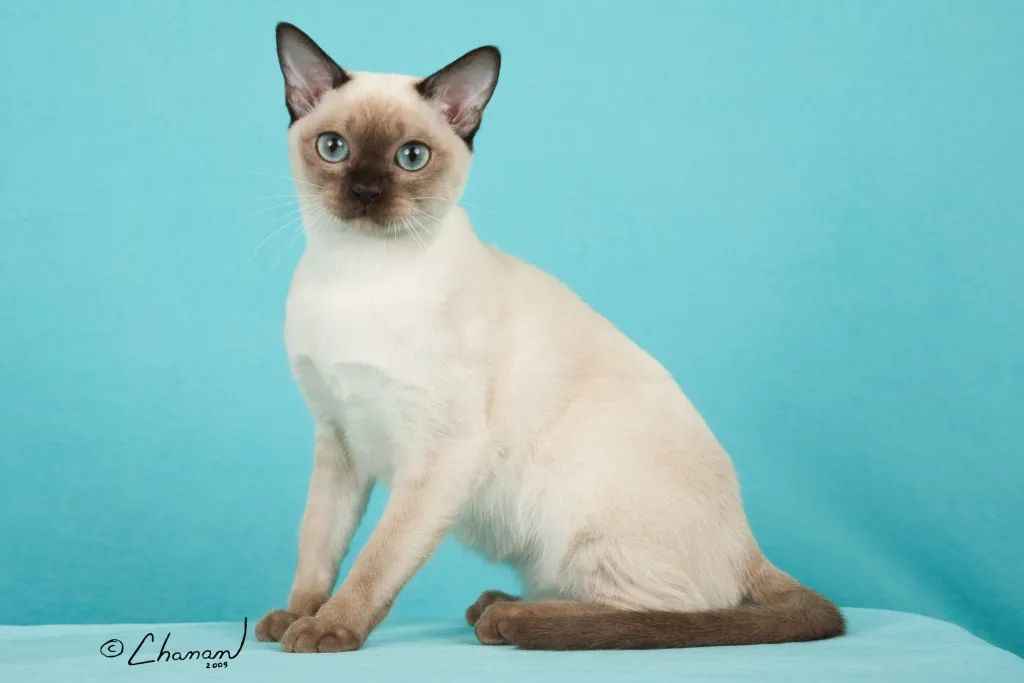
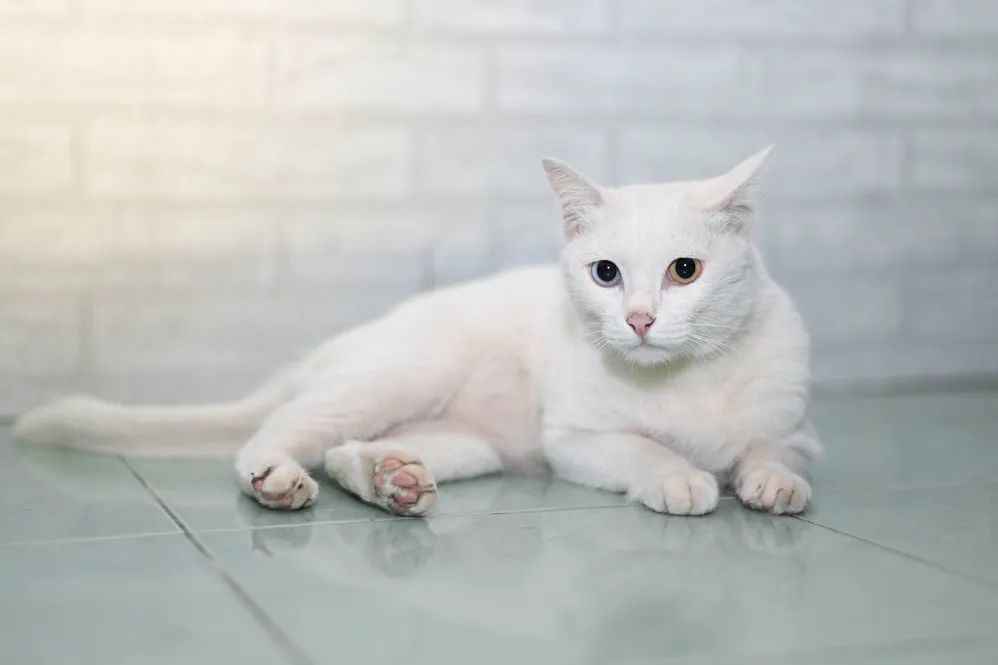
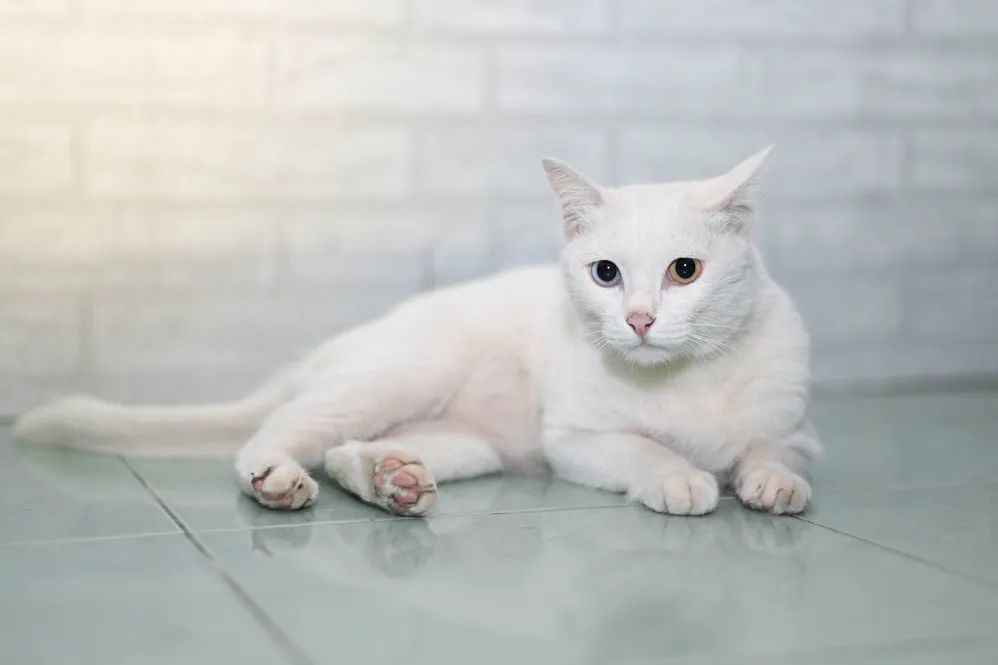
The breed’s most iconic features are its luminous eyes, which can be blue, amber, green, or "odd-eyed" (two different colors). This heterochromia, combined with a shimmering white coat, earned it the nickname "Diamond Eye Cat". Khao Manee kittens may initially have black spots, but these fade by 18 months, leaving a flawless snowy coat. Their muscular build, wedge-shaped heads, and high cheekbones exude elegance, while their playful and vocal nature makes them engaging companions.

Modern Challenges and Global Recognition

Despite growing popularity, the Khao Manee remains critically rare. The International Cat Association (TICA) granted it "Preliminary New Breed" status in 2011, while the Cat Fanciers’ Association (CFA) accepted registration in 2018, though full recognition is pending. Health concerns, such as congenital deafness in blue-eyed cats, require careful breeding practices. A single kitten can fetch up to $10,000, reflecting its scarcity and cultural value.

From Palace to Global Icon

Today, the Khao Manee serves as a cultural ambassador, appearing in Thai festivals and international cat shows. Its inclusion in TV documentaries like Cats 101 and growing presence in Western households highlight its universal appeal. In Thailand, it continues to symbolize national pride, featured in art and ceremonies, embodying the enduring bond between humans and nature’s most elegant creations.


As one Thai proverb states: "To own a Khao Manee is to hold a star’s blessing." This ancient breed, with its celestial gaze and regal bearing, continues to bridge tradition and modernity, captivating the world one "white gem" at a time.

Latest Stories
Feline News2 minute readOriginating from the northwestern United States, the Pixiebob Longhair has captivated cat enthusiasts worldwide with its striking resemblance to the wild bobcat and its loyal, affectionate nature. As the long-haired variant of the Pixiebob breed, this "native new breed"—recognized by The International Cat Association (TICA)—boasts a robust physique, luxurious silky coat, and a uniquely bobbed tail, earning accolades in international cat shows.
Animal Information1 minute readOriginating in Hungary, the Komondor is a muscular large breed renowned as a fearless guardian. Historically tasked with protecting herds from wolves, this agile canine now serves as a devoted family guard dog, blending loyalty with a distinctive appearance that earned it a quirky nickname.
Feline News2 minute readThe Turkish Angora, a breed steeped in history and elegance, has captivated hearts for centuries with its striking appearance and regal demeanor. Originating from Ankara, Turkey (formerly Angora), this ancient longhair breed is believed to be the ancestor of many modern longhaired cats. Once on the brink of extinction, it was saved by dedicated conservation efforts, including a 1930s breeding program initiated by the Turkish government, which focused on preserving the iconic white-coated variety. Today, it stands as a national treasure, celebrated for its beauty and cultural significance.
Animal Information1 minute readThe humphead wrasse (Cheilinus undulatus), a majestic marine species, remains listed as endangered, facing ongoing threats to its survival in global oceans. Renowned for its impressive size, adult individuals can reach a staggering weight of 180 kilograms, making it one of the largest reef-dwelling fish in the world.
Feline News1 minute readThe Balinese cat, also known as the Bali cat or Java cat, is a charming medium - sized long - haired cat. It originated in the United States and is a long - haired mutant of the Siamese cat. It is named the Balinese cat because its movements are 酷似 those of the native Balinese dancers.
Animal Information1 minute readThe global population of Bengal tigers currently stands at approximately 24,000, but a closer look at the figures reveals a worrying reality: only around 3,200 of these majestic creatures live in their natural wild habitats, while nearly 20,000 are in captivity. This stark contrast becomes even more alarming when compared to historical records.
Animal Information1 minute readThe Atossa fritillary (Speyeria adiaste atossa), a butterfly once common in Southern California’s mountain regions, is feared extinct, with no confirmed sightings since 1959. Characterized by its broad wings decorated with elegant black spots, the species once thrived across the area’s rugged landscapes.