From Myth to Modernity: Mexico’s Sacred Hairless Dog, the Xoloitzcuintli, Makes a Resurgent Comeback


Canine News
From Myth to Modernity: Mexico’s Sacred Hairless Dog, the Xoloitzcuintli, Makes a Resurgent Comeback

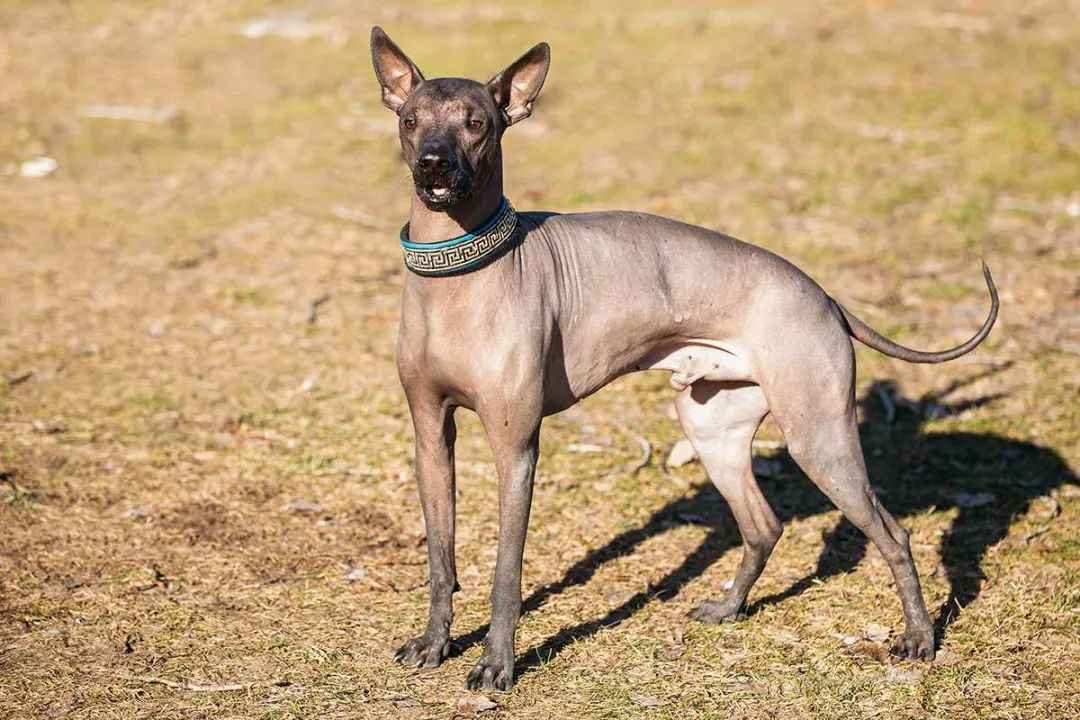
The Xoloitzcuintli, whose name fuses the Aztec god of death “Xolotl” with “itzcuintli” (dog), carries over 3,500 years of history. As one of the world’s oldest breeds, it is not only a living fossil of Mexican culture but also captivates global attention with its unique appearance and mythical lore24.


Guardians of Ancient Civilizations

The Aztecs revered the Xoloitzcuintli as a sacred “guide to the underworld,” believing it escorted souls across the river Mictlán5. This belief is encoded in its coat colors: black dogs were deemed “overused” for crossings, white ones “too inexperienced,” while mottled gray individuals were considered spiritually qualified5. Today, Mexico City has designated it a “Cultural Heritage and Symbol,” with its image gracing ancient pottery and Disney’s Coco as the beloved character Dante11.

The Survival Wisdom of a Hairless Physique

The Xoloitzcuintli’s hairlessness is an evolutionary marvel. Its vascular-rich skin runs 2-3°C warmer than other dogs, earning it the nickname “hot water bottle” in ancient times—a tradition reflected in the phrase “three-dog night,” where multiple Xolos were needed for warmth3. Classified into toy (10-14"), miniature (14-18"), and standard (18-23") sizes, their skin ranges from bronze to reddish-brown, with some sporting coarse hair on heads and feet6. While hairlessness requires sunscreen and moisturizing to prevent sensitivity, it also makes them hypoallergenic companions26.

Dual Roles in Modern Society

On Mexican streets, Xoloitzcuintlis are often mistaken for statues due to their smooth skin and regal posture89. This aesthetic has inspired artists from Frida Kahlo to contemporary digital creators11. As pets, they are loyal yet reserved, thriving in apartments with 20 minutes of daily exercise to combat obesity6. Notably, the breed regained AKC recognition in 2011, with global numbers rising despite remaining rare3.

Health and Heritage Challenges

With a lifespan of 13-18 years, Xoloitzcuintlis are generally robust but prone to hip dysplasia and puppy acne67. Their diet must accommodate potential missing premolars, while skin care demands vigilance12. Mexican authorities and NGOs are safeguarding the breed through breeding programs and cultural initiatives, ensuring it transcends legend to thrive in the modern world.


From Aztec temples to urban landscapes, the Xoloitzcuintli embodies the continuity of civilizations. This breed, both a messenger of death and a loyal companion, lives on as a testament to Mexico’s enduring legacy.
Latest Stories
Feline News2 minute readOriginating from the northwestern United States, the Pixiebob Longhair has captivated cat enthusiasts worldwide with its striking resemblance to the wild bobcat and its loyal, affectionate nature. As the long-haired variant of the Pixiebob breed, this "native new breed"—recognized by The International Cat Association (TICA)—boasts a robust physique, luxurious silky coat, and a uniquely bobbed tail, earning accolades in international cat shows.
Animal Information1 minute readOriginating in Hungary, the Komondor is a muscular large breed renowned as a fearless guardian. Historically tasked with protecting herds from wolves, this agile canine now serves as a devoted family guard dog, blending loyalty with a distinctive appearance that earned it a quirky nickname.
Feline News2 minute readThe Turkish Angora, a breed steeped in history and elegance, has captivated hearts for centuries with its striking appearance and regal demeanor. Originating from Ankara, Turkey (formerly Angora), this ancient longhair breed is believed to be the ancestor of many modern longhaired cats. Once on the brink of extinction, it was saved by dedicated conservation efforts, including a 1930s breeding program initiated by the Turkish government, which focused on preserving the iconic white-coated variety. Today, it stands as a national treasure, celebrated for its beauty and cultural significance.
Animal Information1 minute readThe humphead wrasse (Cheilinus undulatus), a majestic marine species, remains listed as endangered, facing ongoing threats to its survival in global oceans. Renowned for its impressive size, adult individuals can reach a staggering weight of 180 kilograms, making it one of the largest reef-dwelling fish in the world.
Feline News1 minute readThe Balinese cat, also known as the Bali cat or Java cat, is a charming medium - sized long - haired cat. It originated in the United States and is a long - haired mutant of the Siamese cat. It is named the Balinese cat because its movements are 酷似 those of the native Balinese dancers.
Animal Information1 minute readThe global population of Bengal tigers currently stands at approximately 24,000, but a closer look at the figures reveals a worrying reality: only around 3,200 of these majestic creatures live in their natural wild habitats, while nearly 20,000 are in captivity. This stark contrast becomes even more alarming when compared to historical records.
Animal Information1 minute readThe Atossa fritillary (Speyeria adiaste atossa), a butterfly once common in Southern California’s mountain regions, is feared extinct, with no confirmed sightings since 1959. Characterized by its broad wings decorated with elegant black spots, the species once thrived across the area’s rugged landscapes.