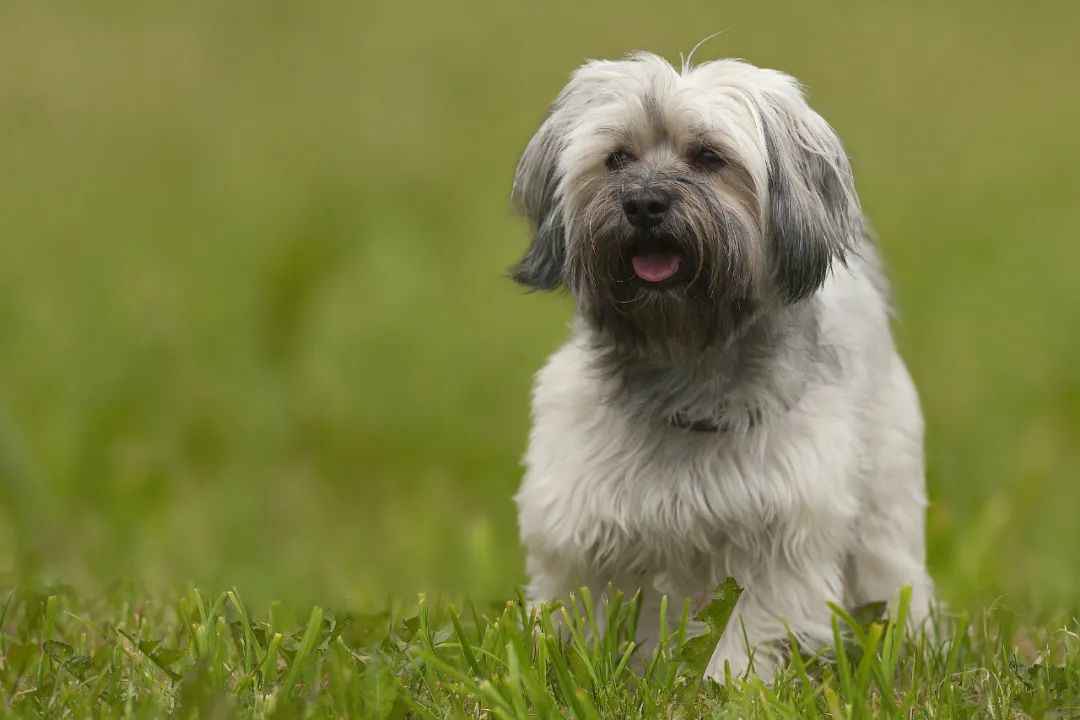
American Foxhound: A Legacy of Speed, Skill, and Loyalty
The American Foxhound, a breed deeply rooted in American history, embodies the perfect blend of athleticism, intelligence, and companionship. Developed in the 18th century through careful crossbreeding of English and French foxhounds by figures like George Washington, this breed was specifically crafted to hunt the swift American red fox12. Today, it stands as Virginia’s official state dog, celebrated for its rich heritage and distinctive traits.
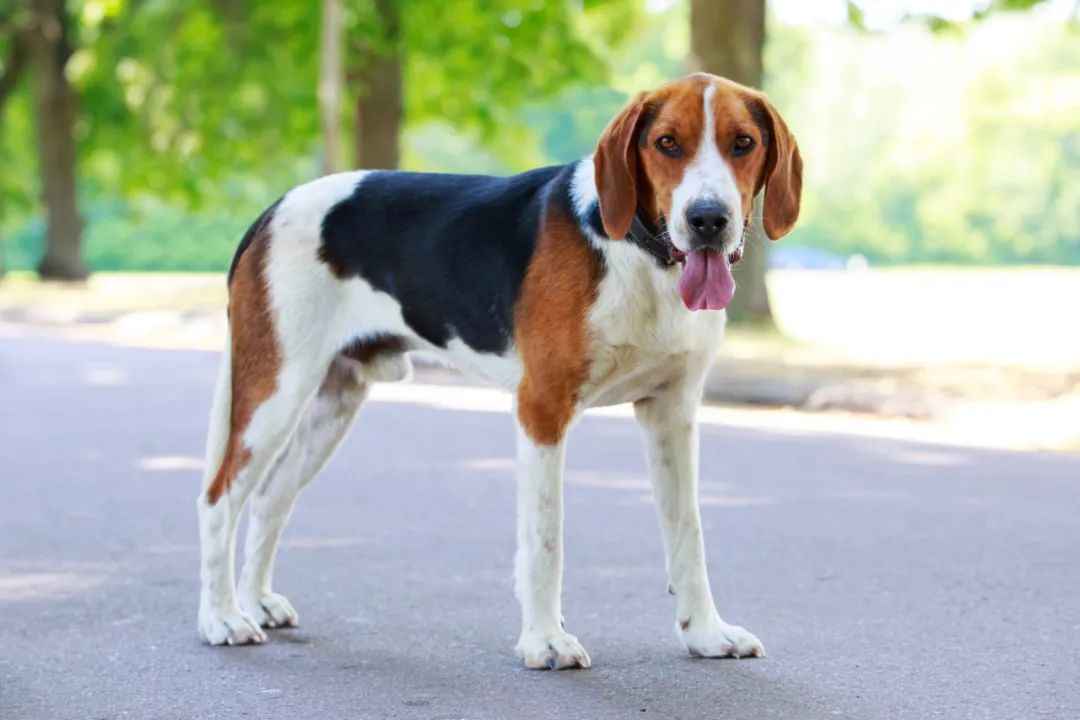
The Perfect Blend of Grace and Agility – From the Hunting Fields to Beloved Family Companions
Originating in 19th-century England, the English Springer Spaniel is a medium-sized sporting dog originally bred to flush and retrieve game in challenging terrains. As one of the oldest gun dog breeds, its name "Springer" stems from its unique ability to "spring" prey, historically aiding falconers and net hunters. Today, it excels in modern hunting, search-and-rescue missions, and as a versatile family pet. Appearance
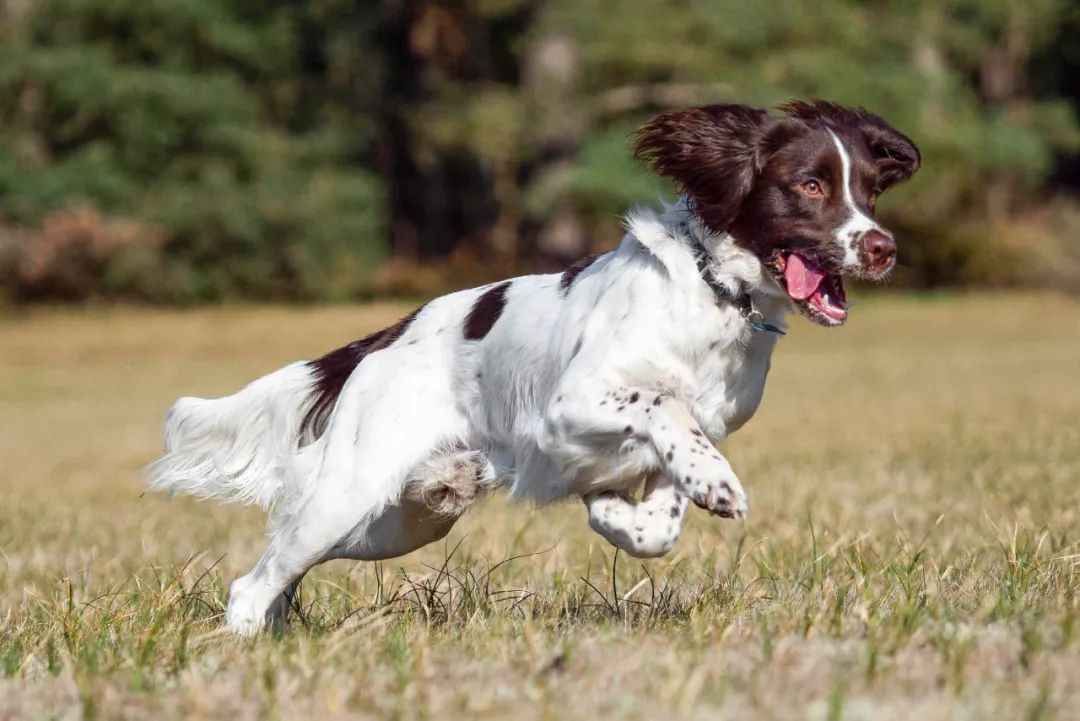
Adorable Shetland Sheepdog: A Complete Guide to This Loyal Breed
The Shetland Sheepdog, affectionately known as the "Sheltie," is a captivating breed with a rich history and endearing characteristics. Originating from the rugged Shetland Islands off the coast of Scotland, these small herding dogs were initially bred to manage sheep and livestock in harsh climates 34. Their lineage includes crosses with Scandinavian Spitz breeds and Scottish collies, resulting in a compact yet hardy dog with exceptional intelligence and agility 9.
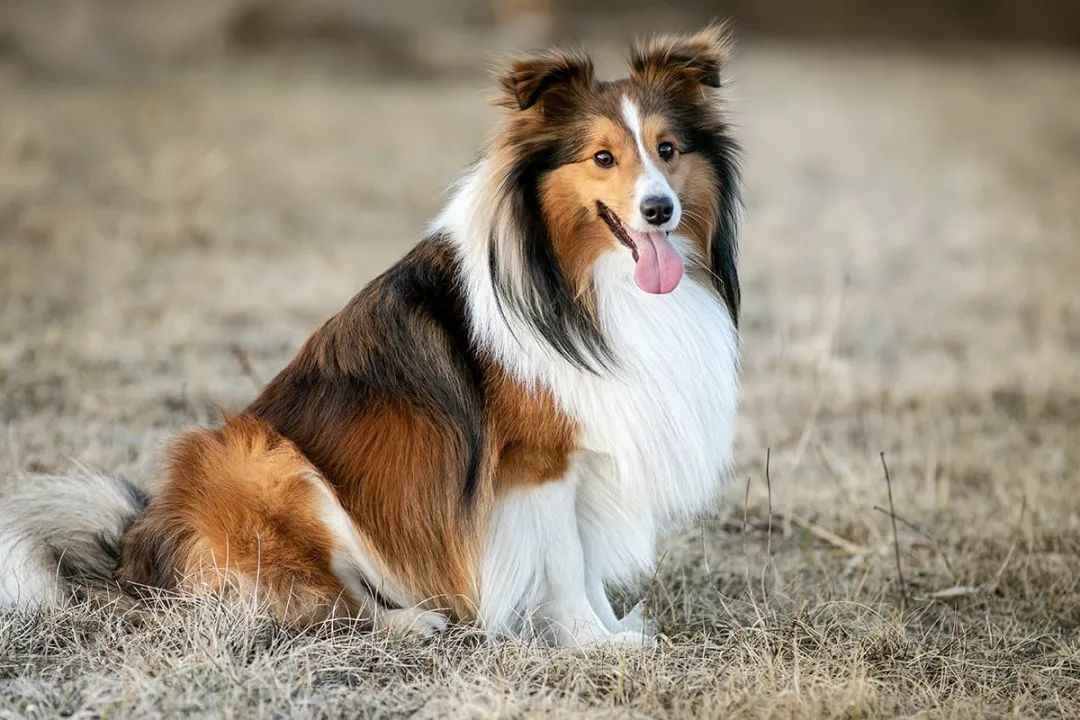
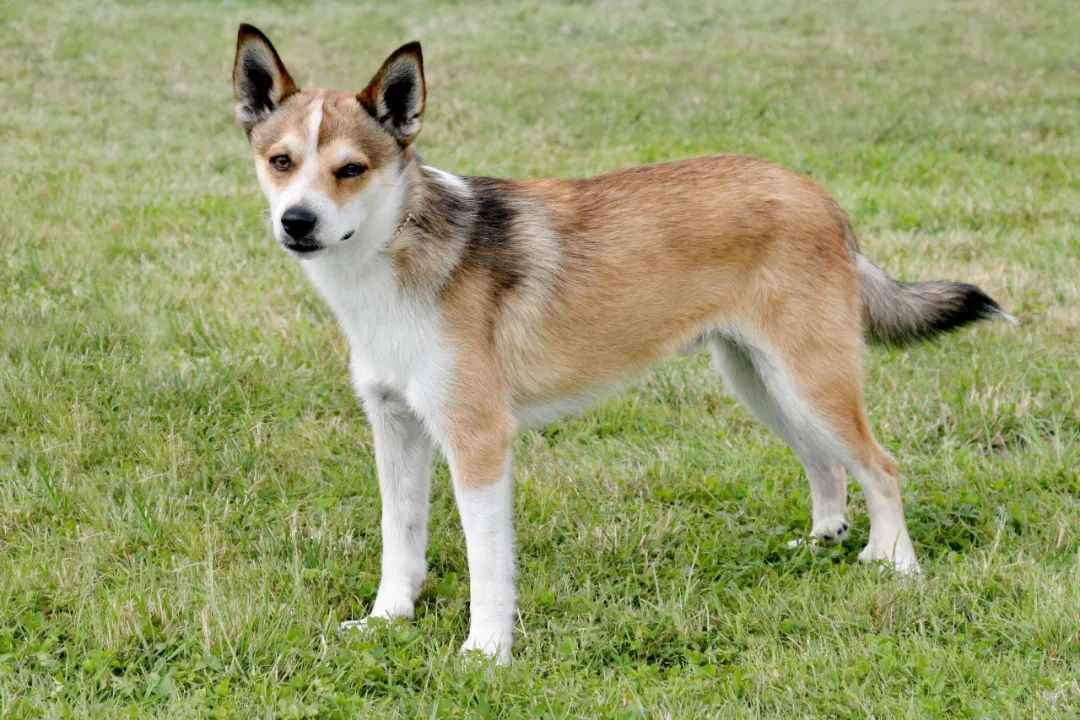
Rare Norwegian Lundehund: A Living Fossil of the Arctic
The Norwegian Lundehund, a small Spitz-type dog with origins dating back to the 16th century, is a marvel of evolutionary adaptation. Nicknamed the "puffin dog," this breed’s unique physiology—including six toes, foldable ears, and extraordinary flexibility—made it a legendary hunter of seabirds on Norway’s steep coastal cliffs. Today, with fewer than 3,000 individuals globally, the Lundehund stands as a symbol of resilience and conservation urgency.
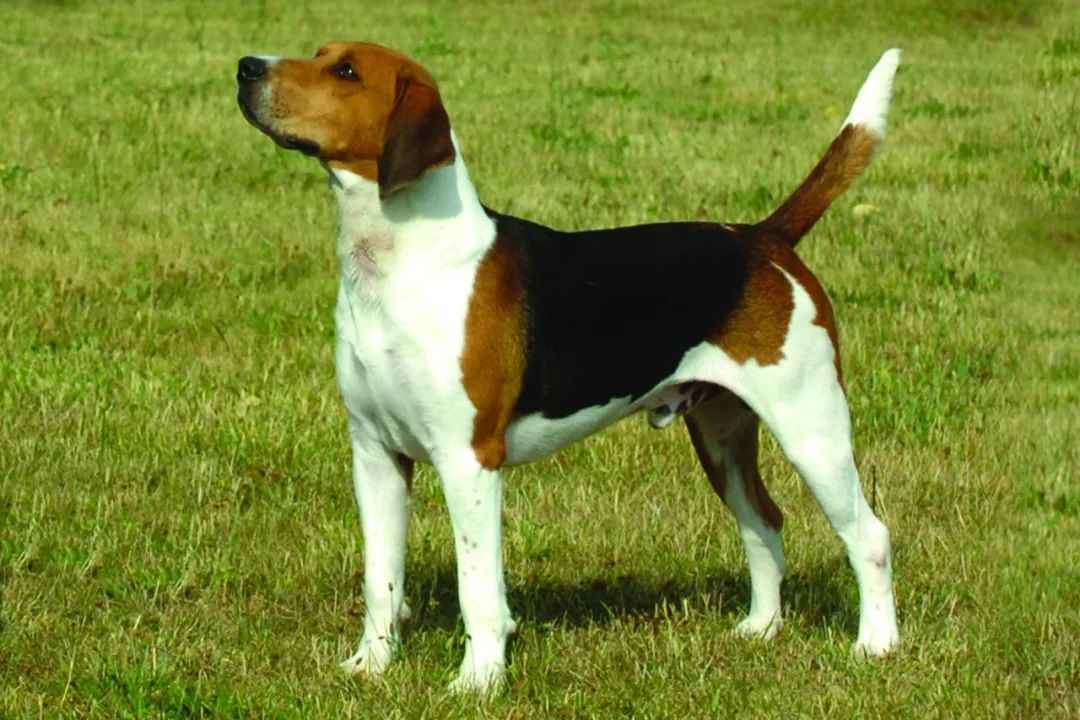
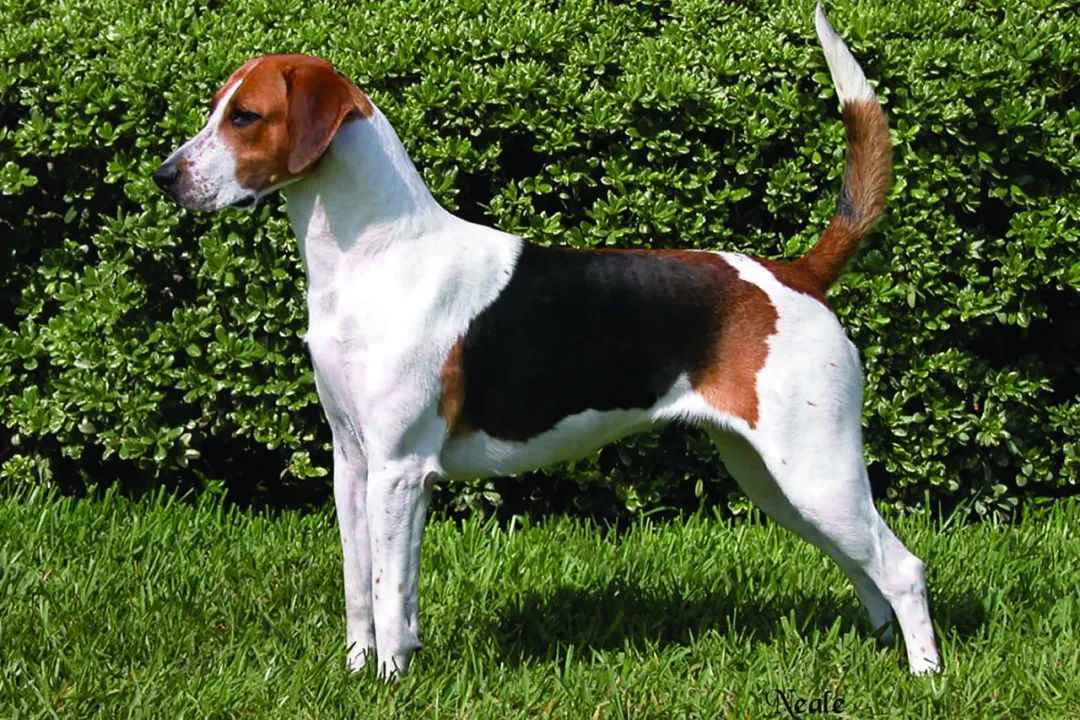
The English Foxhound: A Timeless Guardian of Heritage and Modernity
The English Foxhound, an enduring symbol of British countryside culture, traces its origins to the 16th century, meticulously bred by British nobility for fox hunting518. This breed embodies a unique blend of Greyhound speed, Bloodhound scenting prowess, and Staghound endurance, tailored for the demands of the chase519.
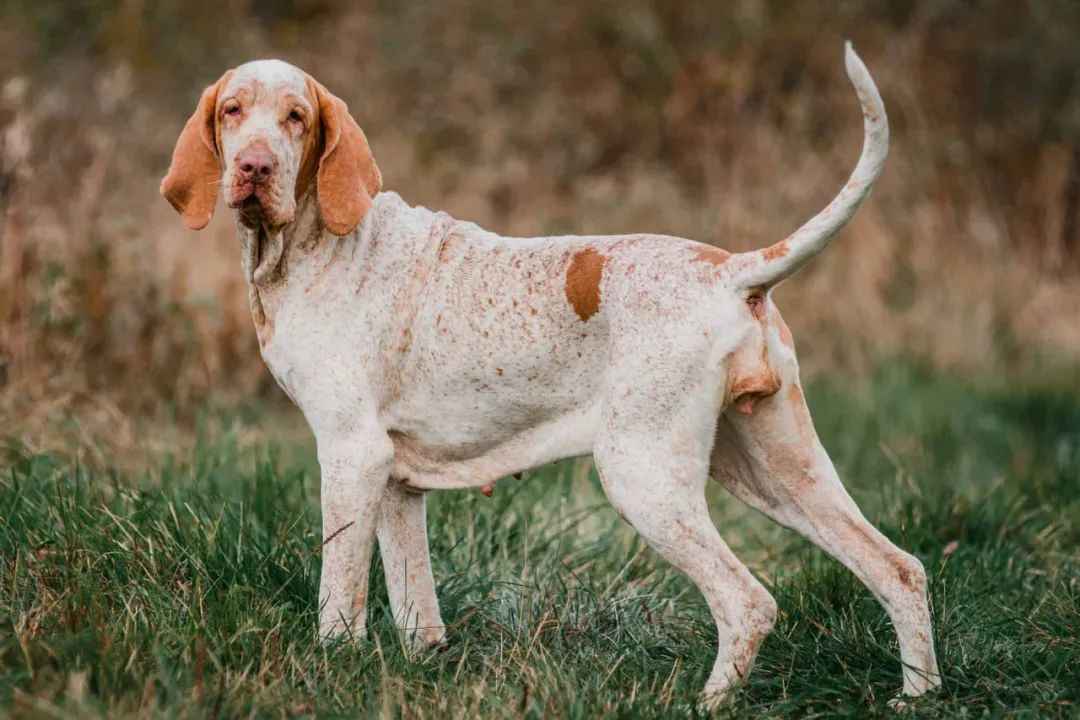
Bracco Italiano: The Timeless Guardian of Italy’s Hunting Legacy
The Bracco Italiano, one of Europe’s oldest pointing dog breeds, traces its origins back to the 4th–5th century BCE46. Developed in northern Italy through crosses between Segugio Italiano hounds and Asiatic mastiffs, this versatile breed excels in tracking, pointing, and retrieving game37. Revered by Renaissance nobility like the Medici family, it was prized as a diplomatic gift and spread across Europe before facing near-extinction in the 19th century. Thanks to dedicated Italian breeders, the Bracco was revived mid-20th century and gained full AKC recognition in 2022 as a Sporting Group memb
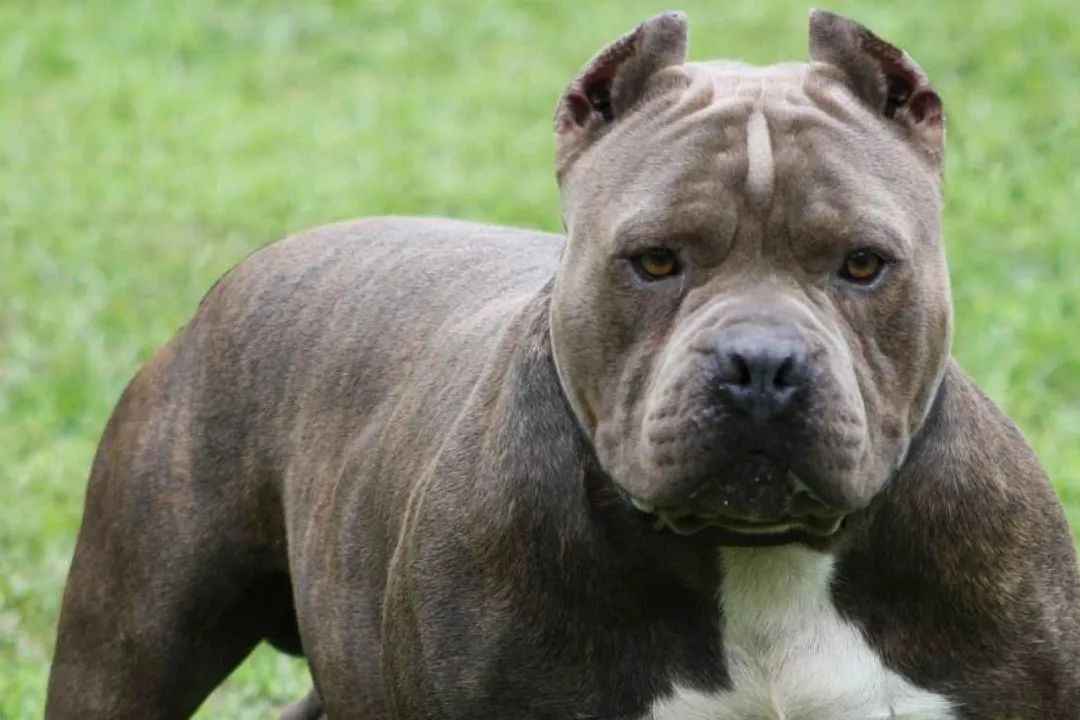
American Pit Bull Terrier: A Breed of Strength, Loyalty, and Controversy
The American Pit Bull Terrier originated in 19th-century England, initially bred by crossing bulldogs with terriers for blood sports like bull-baiting and dog fighting. In the mid-19th century, it arrived in the U.S. with immigrants and was gradually refined into a farm working dog and family companion. While not officially recognized by the American Kennel Club (AKC), it is registered as a distinct breed by the United Kennel Club (UKC) and the American Dog Breeders Association (ADBA
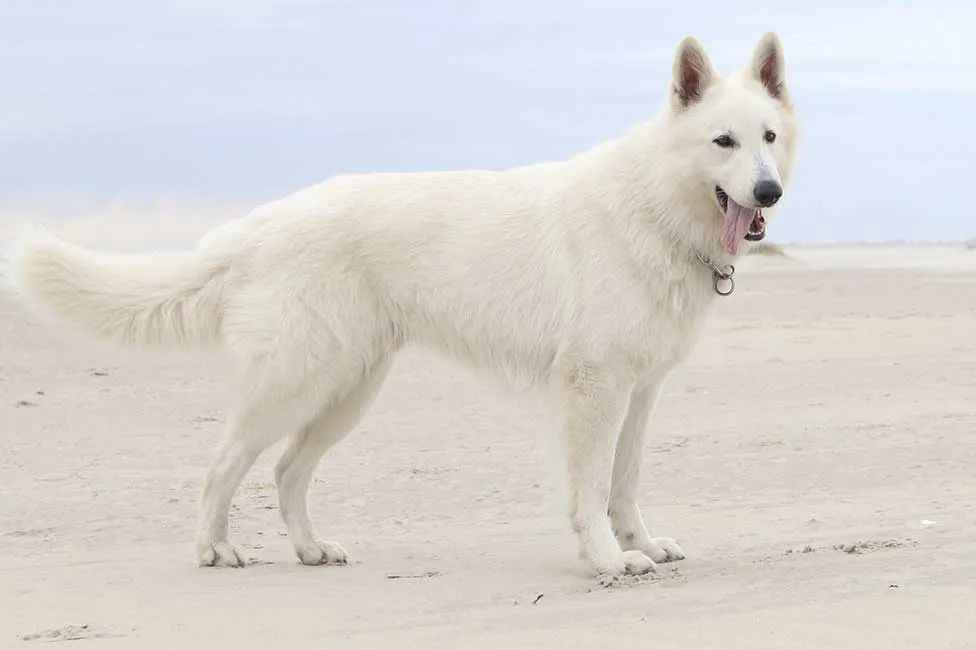
American White Shepherd: The Perfect Blend of Elegance and Loyalty
Originating in the early 20th century, the American White Shepherd traces its lineage to the German Shepherd. Due to a recessive white coat gene, these dogs were long considered "flawed" in Germany and systematically culled from breeding programs12. However, North American breeders recognized their unique appeal and selectively developed them into a distinct breed, officially acknowledged by the United Kennel Club (UKC) in 199917